
Plain fishing swivels are used when a rig requires rotation between line and leader, whereas snap swivels are used when quick changes are required and additional hardware will not get in the way of lures or baits. A snap swivel is a combination of both types but is not suitable for all situations. Retailers should stock products by application and then check size, closure and strength of model with supplier.
On an order sheet, “swivel” is not enough information. A plain swivel, a snap and a snap swivel do different jobs, even when they sit next to one another in a tackle box. Laike supplies fishing accessories alongside rods, reels and lines. For a retailer buying that range, the first decision is what the connection needs to do.
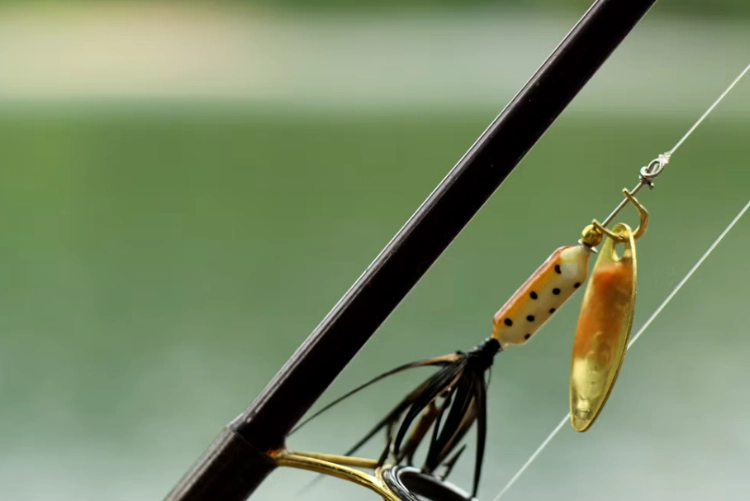
Fishing swivel vs. snap swivel: the short answer
A plain swivel has two rings joined by a rotating body. The line and leader can turn independently, which helps when a bait, spoon or current introduces rotation. A snap swivel adds a clip on one end. That clip lets an angler change a lure, leader or sinker without cutting the line and tying another knot.
| Connection | Rotating joint | Opens for changes | Main check |
| Plain swivel | Yes | No | Rotation under the intended load |
| Plain snap | No | Yes | Closure and fit at the lure eye |
| Snap swivel | Yes | Yes | Both rotation and snap closure |
| Direct knot | No hardware | No | Knot choice and line condition |
A plain swivel handles rotation
A swivel is used in rigs where there is a moving connection between two parts of the line. Trolling leaders, bait rigs and a few lures are typical examples of where a swivel is used. The main line does not have to turn with the sections of line that the swivel is connecting.
The terms “Barrel”, “rolling” and “ball-bearing” describe the mechanical parts of the rotating mechanism. The term “snap swivel” describes the type of clip used. These terms are not of equal measure. The important thing is how the parts rotate under load, not how freely a dry sample might roll between your fingers.
A snap swivel adds a quick-change connection
The snap is a mechanical opening and closing point. It’s ideal for anglers who frequently change lures, change sinkers or alter the leader. The greatest benefit is experienced by fishermen using setups where only a little extra tackle is required and it won’t affect the lure’s action.
A snap swivel provides rotation as well as a clip in one part. It is, however, heavy, long and another part to inspect. Start with the rig not the product name.
What each connection does on the water
The same terminal part can work well in one fishing setup and be a disaster in another. Consider how the lure is moving, how often the connection is being opened up, and where the terminal part is in relation to the fish and structure.
Swivels for rotating baits, leaders and rigs
I would recommend using a plain swivel only when you want to make constant rotation of the lure, and there is no need to change the lure every few casts. Use the plain swivel in between your main line and leader, on top of your bait rig, or in a section of line that you intend to make constant motion with.
The swivel is a rotating joint. It is not a substitute for a good knot, a suitable leader or line check after a snag.
Snap swivels for selected quick-change setups
Snap swivels are for anglers who need to change lures quickly and have a bait or rig that can be used with an additional component. Some bottom rigs, bait fish presentations and larger hard lures can be used with a snap swivel. The type of snap swivel to choose depends on the size of the lure eye, the type of leader being used and the amount of movement required by the connection.
Retailers should keep the explanation specific. “Fast lure changes” is useful; “works with every lure” is not. Small or balanced lures may show unwanted movement with a large clip.
When a direct knot or plain snap is cleaner
A simple knot is often preferred by anglers because it keeps connections small and close to the lure. Use a plain snap when you need to change lures quickly but do not require a turn joint. Such lures already have a stable action and there is no line twist problem.
Where will the connection be in relation to your cast? Don’t reel a metal swivel tip into your rod tip guide. If the connection to your leader is to go through rod guides then look for an appropriate line-to-line knot instead.
Snap swivel drawbacks buyers should understand
The snap gives you something else to check before casting. Its closure, dimensions and effect on the lure belong in the buying decision, alongside the convenience of changing tackle quickly.
Extra hardware can affect lure movement
The clip and swivel body add mass at the connection. On a large bait, that may be insignificant. On a small lure, it can change the way the nose sits, how quickly the lure sinks, or how freely it turns. The effect depends on the lure and connection size, so avoid universal claims.
The fishing swive01 product page shows swivels with attached snaps. Use the image to discuss the connection shape, then confirm the exact supplied variant. The page’s strength figures are supplier specifications, not an independent test of your complete rig.
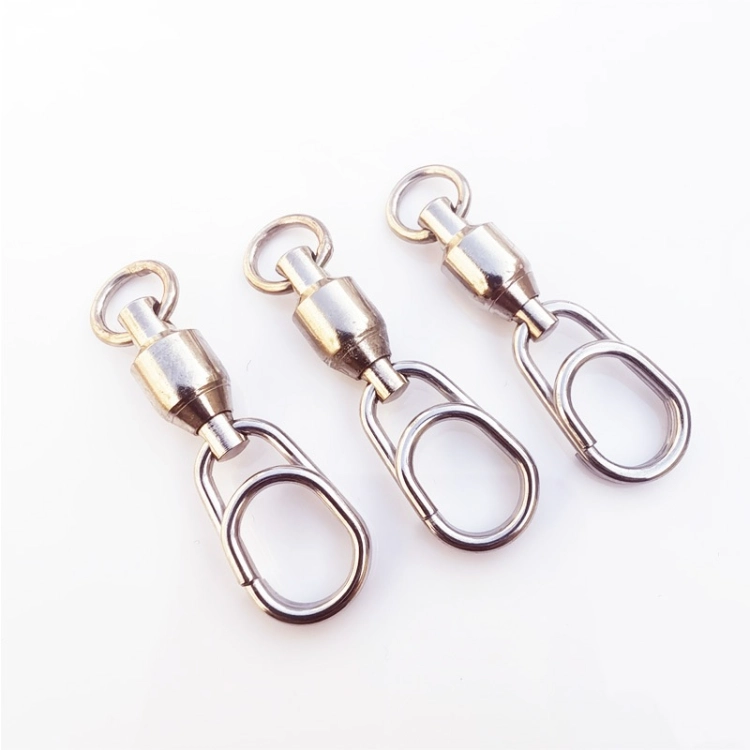
Weak or poorly closed snaps create a failure point
Opening and closing a snap again and again with cold or wet fingers can be problematic. A clip that is hard to close, which can easily be deformed or is hard to check, is a practical problem. A swivel body can rotate smoothly while you are checking the snap.
For a receiving check, open and close the sample several times. Look for a complete closure and a consistent wire shape. Do not turn that small check into a claimed load test. Ask the supplier for model-specific strength data when the application requires it, and keep that information attached to the correct SKU.
Size must match the leader and target application
Size numbers are not a universal strength language. Different suppliers may use different naming systems, and a larger body can still have an unsuitable clip for a particular rig. Compare dimensions, wire form, intended use and available documentation.
The leader matters too. Check the diameter and knot used with the chosen connection; Strong Nylon String Fishing Line is one product-page reference for discussing nylon sizes. A line’s stated breaking strength and a swivel rating don’t establish the strength of the tied assembly.
A practical stocking framework for retailers
Structure your range by job rather than long lists of near-identical sizes. A core range of simple plain swivels will cover most leader and bait applications, whilst a range of snap-swivels can service the quick-change market, as long as the pack labeling clearly indicates where the clip goes.
Separate core swivel sizes from specialty snap-swivel sizes
Start with the sizes your customers can understand from a real use case: light leader rigs, general bait setups, or heavier applications that require a larger connection. Add specialty snap swivels when there is a clear application, such as quick sinker changes or a lure family with a suitable eye.
If you publish a snap swivel size chart, make it specific to the selected range. Give dimensions, closure type, pack count and the supplier’s stated strength with its units. Don’t convert size numbers from another brand or substitute fish weight for a connection rating.
Check rotation, snap closure, finish and packaging clarity
Four receiving checks catch many product problems:
- Rotate two rings and check for any sticking or rough surfaces.
- Open and close the snap to make sure it goes back to a fully closed state.
- Check for exposed damage, burrs or uneven coating.
- The printed sample must correspond to the correct print size and quantity to be produced.
These are handling checks, not a substitute for a certified strength test.
Ask suppliers for model-specific load and size data
When speaking with suppliers, reference the exact model in question, rather than the broader product range. Ask about available dimensions, materials and finishes as well as pack size options and any load information that may have been documented. If you are buying a range for private label, ask how the packaging will identify the model and what the intended application will be.
Ask what the load figure measures: the swivel body, the snap or the full assembly. Request the test conditions if that figure will appear on your packaging. A dry breaking test doesn’t answer how smoothly a swivel rotates while pulling a lure.
How to discuss a swivel range with Laike
Send the supplier a short use-case brief: target rig, lure or bait size, connection location, finish, pack count and sales channel. This is more useful than asking for “the strongest swivel” without context.
Match the product page to the intended rig
Attach the catalog image to your inquiry and mark the size or variant you need. Request a sample with the same closure as the proposed bulk order. Keep the confirmed sample and specifications together so a later change in finish or snap shape doesn’t go unnoticed.
Confirm size, finish, pack count and private-label needs
Retail packaging should answer: What is this part? What does it connect? How large is it? How many are included? Can I identify it when I reorder?
Laike’s supplied profile describes custom branding and packaging support. Use its fishing tackle customization guide to prepare a brief, then confirm the available options for this item. The approval sample should match the intended pack, including the size label and count.
For customers planning to release fish, NOAA’s catch-and-release guidance recommends tackle strong enough to land the target fish promptly. Build a suitable whole rig; oversizing one connector alone won’t achieve that.
FAQ: swivels and snap swivels
Is a snap swivel stronger than a regular swivel?
Not by definition. A snap swivel combines a swivel body and a snap, so the clip becomes part of the connection. Strength depends on the exact model, wire form, closure and documented rating. Compare the selected SKU rather than the category name.
Do snap swivels stop line twist?
Even though swivels can allow for a rotating connection, they are not a solution for all twist problems. The other issues like spooling, lure rotation, overfilling the line and bail problems have to be solved separately. The snap swivel is best used where its quick-change function is needed and the rest of the line-control issues are corrected for elsewhere.
Should anglers use a snap swivel with every lure?
No. Some lures and rigs are best attached with a quick change connection, while others will perform better when attached with a direct knot or even a simple snap link. Check the lure eye, the action you are trying to achieve, the risk of twist in your line and local regulations.
Retailers should stock plain swivels for rotation and snap swivels for rotation plus quick change. Clearly label the difference.