
Custom fishing tackle involves more than adding a logo. A useful brief covers the fishing scenario, product range, color system, visible branding, packaging, and the approval process.
Before artwork, define the buyer, sales channel, fishing environment, and product role. These decisions affect which tackle types belong together and which details must stay consistent across SKUs. Laike provides product categories and customization support for that planning process.
Laike structures Fishing Gear Customization Services through a practical sequence: consultation, quotation, sample and picture confirmation, version confirmation, mass production, packing, and delivery. That structure turns a broad custom-tackle request into decisions that can be reviewed before production.
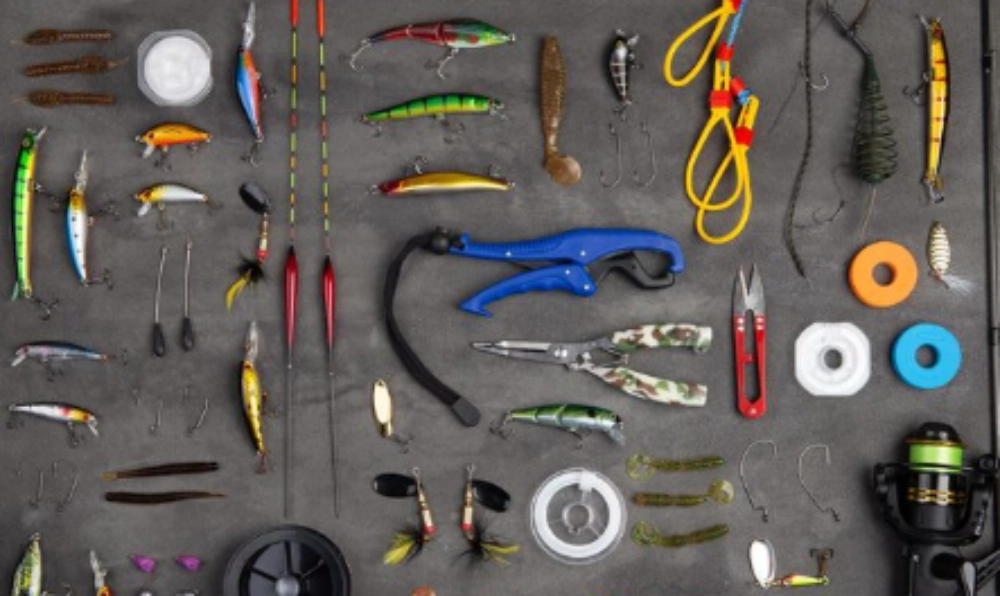
What Should a Fishing Tackle Customization Brief Include?
A good brief gives the supplier enough direction to quote and sample the right product without locking the brand into vague claims. It should describe the product category, sales channel, target buyer, key visual direction, and the product differences that matter to the range.
Product Category, Target Market, and Intended Fishing Scenario
Begin with the core category: reels, rods, lines, hooks, lures, tools, or a coordinated fishing combo. Then define where and how the product is expected to be used. A tackle item for light freshwater fishing may need a very different specification and presentation from one positioned for saltwater or larger fish.
The target market also changes packaging needs. A product sold in a retail store must be easy to identify at a glance. An item sold through e-commerce may need clearer variant names, product images, and contents information. A distributor catalog needs enough differentiation that buyers can understand why one version belongs in a higher or lower price position.
Model, Size, and Configuration Requirements
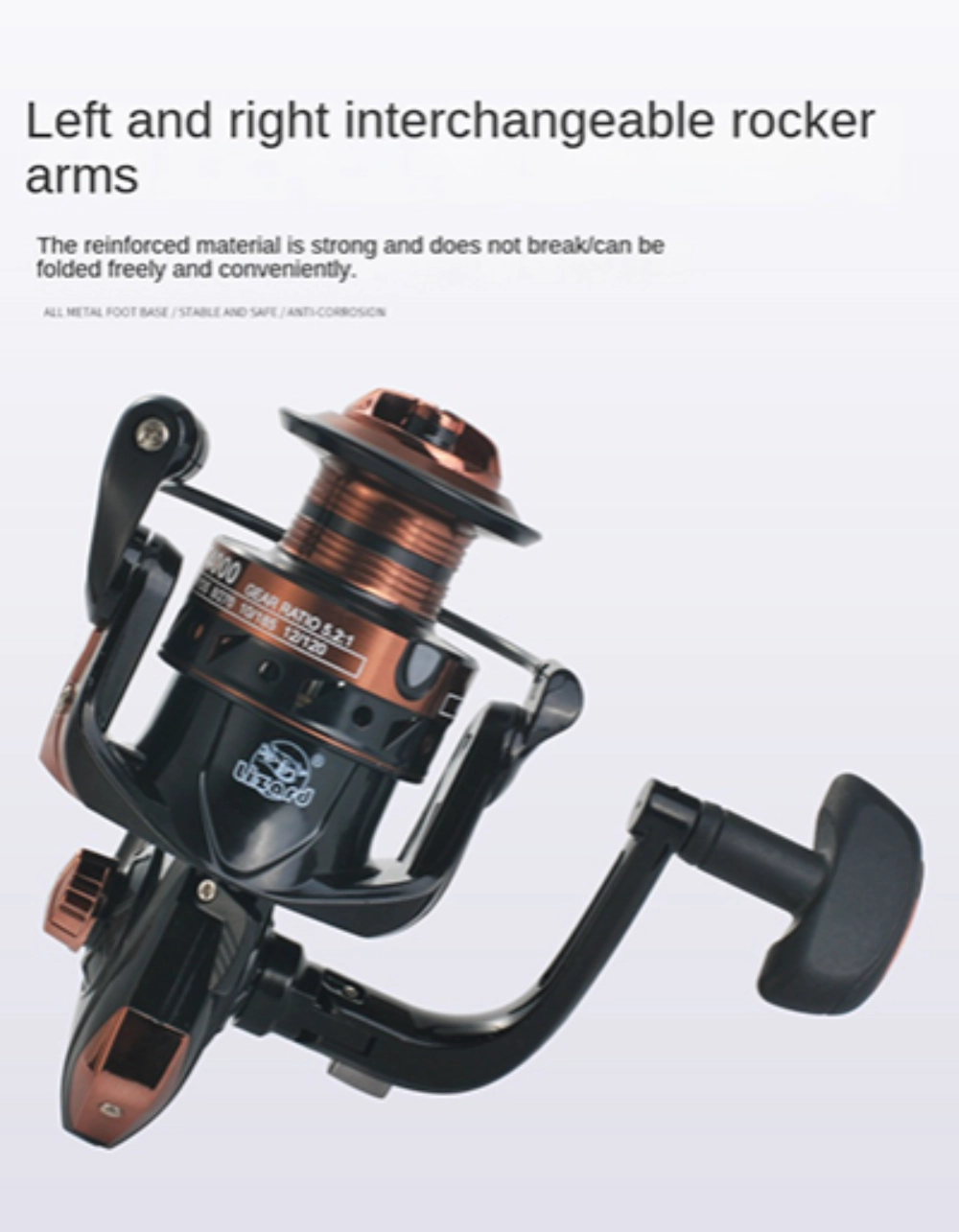
Customization can include the model range and how variants are organized. For fishing reels, size, spool arrangement, gear ratio, drag approach, handle position, and intended use may be more meaningful than a single cosmetic change. The aim is to create a range that gives each SKU a clear role.
Big Game Spinning Fishing Reels show how a reel range can be organized by size, from 1000 to 7000, with different weights and gear ratios across the range. A brand does not need to offer every possible version, but it should decide which sizes serve its target customer and how those options will be named and packaged.
Which Visual Details Can Be Customized?
Visual customization should make a product easier to recognize and easier to distinguish from adjacent products. Color, finish, logo position, and visible component choices work best when they support a clear range structure.
Color Options, Surface Finish, and Logo Placement
Color can signal a series, a target application, or a price tier. For repeatable production, the brief should specify Pantone references, artwork dimensions, logo position, and the finish required for each visible component. Laser engraving can suit wear-resistant metallic logos, while thermal-transfer printing and anodizing may suit other designs when the product material supports them. The point is to help buyers identify the product they intended to purchase.
Logo placement should be decided with the actual product shape in mind. On a reel, a mark may appear on the body, spool, handle cap, or packaging. Each position has a different level of visibility during retail display and real use. Ask for a sample image or physical sample before approving the final artwork so the logo remains legible and balanced.
Keeping Product Variants Easy to Identify
Too many near-identical colors can make a range hard to shop. Use color and finish to clarify differences, not hide them. A clear model code, capacity or size reference, and consistent packaging layout can help a retailer or end user see what changes from one version to the next.
Color also affects how anglers perceive a tackle item on the shelf and in use. How Does Fishing Lure Color Influence Bass Reaction Behavior offers a related discussion of color choices. It should not be treated as evidence that a particular custom color will improve catch results.
What Can Be Customized on Fishing Reels and Other Tackle?
The customization scope depends on the product type. A supplier and buyer should agree on which details are functional requirements and which are branding choices. This keeps the order focused on the features that actually define the intended product position.
Size Range, Core Configuration, and Target Buyer
For reels, size range and application are central. Smaller models may be chosen for lighter setups, while larger models may be planned for heavier line or more demanding environments. The brand should define the target buyer for each size so the range does not become a list of numbers without a sales purpose.
Big Game Spinning Fishing Reels use aluminum, copper, and nylon components with 13+1 ball bearings. Models 1000 through 5000 use 5.2:1 ratios, while 6000 and 7000 use 4.7:1. These configuration details should be documented before branding is finalized. A logo or color system cannot compensate for a range that does not match its intended fishing scenarios.
Logo Placement and Component-Level Brand Details
Component-level branding can include marks on reels, rods, line spools, hook packaging, and accessory cases. It may also involve color matching across several product types. Before approving this work, confirm which parts are visible, which finishes are practical for the intended environment, and how the branding will look after normal handling.
Do not add a long list of optional details just because they can be changed. A more focused brand system is usually easier to recognize, reproduce, and reorder.
Which Packaging Choices Matter Before Production?
Packaging should make the product easier to select, transport, and sell. It is also where key variant information can be made clear before the buyer opens the box or bag.
Packaging for Assortment Clarity and Retail Display
Choose packaging that makes the product category and variant obvious. For a reel range, this may include size, gear ratio, line-capacity reference, intended use, and model name. For smaller tackle items, the packaging may need a strong front-facing visual, a clear count or size reference, and a way to distinguish colors or configurations.
The format should suit the channel. Retail display, distributor cartons, e-commerce fulfillment, and promotional bundles can have different needs. Confirm the sales route before approving the final pack design.
Labels, Inserts, and Brand Information
Labels and inserts can carry practical information that should not be left to sales descriptions alone. Include the approved product name, model, relevant size or configuration, care information where applicable, and the brand details needed for the destination market. Keep claims specific and supported by the product record.
How Does an OEM Fishing Tackle Order Move From Idea to Delivery?
Each stage of a custom order needs a clear approval point. Laike’s service flow runs from consultation and quotation through sample confirmation, mass production, packing, and delivery.
Quotation, Sample, and Version Confirmation
Before approving a quotation, make sure the brief includes the exact product category, variants, colors, logo files, packaging concept, and expected order scope. The sample stage is where the team should check product appearance, functional configuration, branding placement, and packaging presentation. Do not move forward with a version that still has unresolved naming or artwork questions.
Mass Production, Packing, and Delivery Checks
Once the version is confirmed, keep the approved reference materials accessible to both the buyer and supplier. Before shipping, review the product mix, packaging count, variant labels, and carton information. Clear records make repeat orders easier and reduce the risk that an earlier sample decision is lost during production.
For project-specific requirements, buyers can use Laike’s contact page after defining the product brief and sample requirements.
Conclusion
Fishing tackle customization can cover product range, intended use, color, finish, visible branding, packaging, and production control. The most useful approach is to begin with a specific product brief and use samples to confirm the version that will actually go into mass production.
For brands building a long-term range, a clear system of variants and packaging is more valuable than treating every SKU as an isolated design exercise.
FAQ
Can a fishing tackle order be customized beyond a logo?
Yes. Depending on the product and supplier, the brief can cover category, model range, color, finish, visible branding, packaging, and variant organization.
Should a brand confirm a sample before mass production?
Yes. The sample and version-confirmation stages are the right time to review product details, logo placement, color, and packaging.
What information should be included in the first inquiry?
Include the product category, target market, intended fishing scenario, preferred variants, visual direction, logo files if available, packaging needs, and expected order scope.