
Most spinning reels are affected by line twist in similar ways. Twisted line is easiest to correct when first discovered. Look at how the line came off the filler spool, how full the reel spool is and whether lure or rig is spinning. Then make a few minor changes to your usual practice: wind on with light tension; close the bail by hand; and avoid winding against a drag that is slipping.
If a customer returns tangled line what could have gone wrong? Is the reel at fault or was the line put on wrongly? The following checks can help to distinguish between the two cases. Laike lists both spinning reels and nylon line, so buyers can request a matched sample before placing a repeat order.
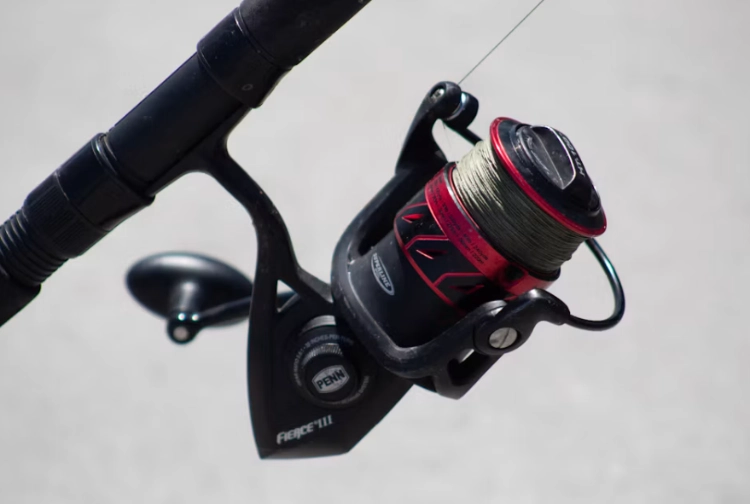
What line twist looks like and why it starts
Twist refers to line that has made a turn, that it has rotated in the plane of the line around its own axis. Nylon line can retain the round shape of the spool it was wound on and exhibit line memory. However, what looks like a coil of line is not necessarily twist. Treating all coils of line as twist would be wrong.
Loose coils, wind knots and a line loop under the spool
A little twist is okay. When the line is no longer going into even wraps, it can start to catch on the spool lip and form a knot before the lure even leaves the water.
First remove the lure and pull several feet of line out. Allow the line to slacken as it twists back upon itself. Note the broad even circles in the twisted portion of line. These can indicate spool memory. But keep in mind that a single loose loop buried under subsequent layers of wrap can form a wind knot with little to no twist. Check to see if any line is caught under the spool before continuing to unroll line by turning the handle.
Common causes: incorrect spool orientation, overfilling and lure rotation
Typically during retrieval the rotor and bail turn round the inside of the spinning reel’s spool. The spool itself moves in and out and is not turned as a baitcaster’s spool is. Also it is very important how line leaves the supply spool when loading up with nylon monofilament.
Overfilling a reel can cause the loops to spill off, but it does not twist the line itself. Twist is added to the line when using a bait or incorrectly rigged lure that spins during retrieve. Look for this close to shore before you decide to change reels or purchase a new line.
How to spool a spinning reel with less twist
Follow the reel and line makers’ instructions for loading the line. The following method is a simple way to use a flat-spool and is particularly suitable for nylon monofilament lines. Braid lines and dedicated spooling devices will require a different approach. Pass the line through the guides, open the bail, attach the line to the reel spool and then close the bail to allow the line to rest on the roller.
Check the reel and filler-spool direction
To check which face of the filler spool to use to set the spool flat so line peels over its rim wind a short length of line and test it under light tension. Then lower the rod tip and allow the line to go slack. If it has twisted into a knot, remove the trial length of line and test the other face of the filler spool.
Don’t judge this by whether the plastic supply spool wobbles. Watch the line between the spool and guide. A label-side rule is only useful when it agrees with the equipment instructions and the trial result.
Keep steady tension and leave spool clearance
Check the line for tension by pinching it lightly between your fingers or by passing it through the fold of a clean, damp cloth. The line should not have too much tension as this can cause it to pucker and make the laying of the strip more difficult.
The clearance below the lip of the reel should be as specified in the manual for that reel model. If there is no manual for the reel, then check the fill information for that model and fill to the top of the reel to gain a little capacity but remember that one spilled loop can mean an entire cast of rubbish.
The Strong Nylon String Fishing Line page lists 200-meter packs. That is the package length, not an instruction to put the whole pack on one reel. Match the chosen diameter to the reel’s capacity information and stop at its fill limit.
Stop when the line begins to spring off the spool
Return to the slack line frequently. Loops suddenly spilling need a check of fill and tension. A strand twisting into a loop needs a check of the filler-spool orientation. These are different adjustments.
It’s also a good point to check the knot on the spool for bulk. A knot forms a high point and subsequent turns will cross over this high point. It’s best to keep this high point to a minimum and then cut the tag end and cover with the first turns of line and apply the first turn firmly.
Bail and retrieve habits that prevent new twists
A good retrieve cannot be achieved by correct spooling. A spinning reel retrieves line by rotating the bail. So, every turn has to be controlled. The best thing for retrieval is for free: Close the bail with your hand after casting.
Close the bail by hand after the cast
Turning the handle to close the bail can form a small loop near the line roller. This loop gets buried under subsequent turns of line and can show up as a knot on the next cast. After the lure has landed, use your fingers to guide the line onto the line roller and then close the bail.
Make sure the line is not slack before commencing to wind in the fish. Lift rod slightly to take up any slack before first handle turn. It makes for a neater and more tidy retrieve for the remainder of the fight.
Check the line roller and leader connection
The line roller should move as intended and have no sharp edge that roughens the line. Clean it according to the reel manual. For saltwater use, the site’s fishing reel maintenance guide is a useful companion; avoid blasting water into the reel or dismantling sealed parts without instructions.
A working swivel can help to limit any twist that a rotating rig may transfer. A swivel will not remove loose wraps from a line or reduce an over filled spool. Check the terminal knot and straighten any crooked soft baits before adding any more tackle.
Do not reel against a slipping drag
Stop cranking the handle when the fish is running with line. Further turning of the rotor while line is coming off the spool will cause it to twist. Resuming winding when the fish allows it to be retrieved under control, as opposed to you trying to force it, is the way to go. Don’t lock down the drag to try and make it happen.
Set the drag and tackle for the fish you expect. NOAA’s catch-and-release guidance recommends tackle strong enough to land the target fish promptly. Avoiding twist should not mean prolonging a fight.
How to remove twist already in the line
Removing moderate twist from lines that are still in good condition can be done without replacing the whole spool. First, remove the lure and any other hardware from the line that could get caught up in it while trying to unwind it. Find a clear area and allow the line to unwind from the spool without being attached to anything else. Now, retrieve the line under low tension and it will unwind instead of transferring to the new rod/rig.
Free-line method in open water or a clear area
If you’re fishing from land then walk out the length of line affected by any tangles, minus any terminal tackle, and leave the end loose to rotate. Return to your reel and slowly wind the line in through a damp cloth while applying light pressure. Be sure to keep all others away from the line. When fishing from a boat then only free-lime in situations where the line can be kept clear of boats, propellers and other wildlife and make sure to retrieve all line every time.
Unwinding a line can relieve torsion but will not remove a kink or ‘spool memory’ faults. If a line continues to misbehave, check the line itself for damage and to see if it is suitable for the spool in question, rather than going through the above process over and over again.
When to cut back damaged line and respool
Cut away badly kinked or abraded line. If the remaining line is too short or coils continue across the spool, replace it.
For the Big Game Spinning Fishing Reels range, request capacity at the intended line diameter. A capacity expressed only in meters is incomplete for choosing a line. Reel size numbers also vary across brands.
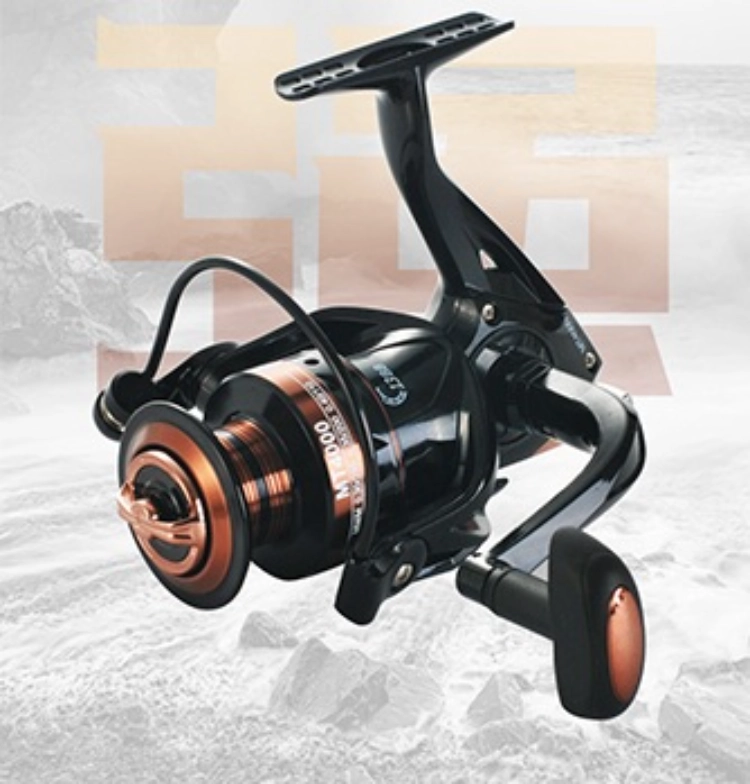
A retailer’s receiving and product-check list
Retailers can turn line-twist prevention into a simple receiving check. Assemble one reel and line sample, open and close the bail by hand, and watch the line leave the spool.
Questions for a spinning-reel sample
- Does the bail close cleanly without leaving a loose loop?
- Does the line roller turn without a gritty or sticky feel?
- Does the spool lip release line in a controlled curve?
- Are the reel’s line-capacity and application notes clear on the product information?
Questions for nylon line packaging and lot checks
- Is the length shown in a way customers can understand?
- Are diameter, use case and storage notes available for the item?
- Is the line surface free from visible damage after winding?
- Can the supplier identify the product consistently across repeat orders?
These checks keep a catalog description tied to a real sample and avoid promising that any single reel or line eliminates twist in every rig.
FAQ: spinning-reel line twist
Does a swivel fix every line-twist problem?
No. It may reduce rotation transferred from a rig, provided it turns under the working load. It cannot correct overfilling, loose wraps or line memory. Correct those separately.
Should the filler-spool label face up or down?
Use the orientation that lets the line leave the filler spool with the least coiling. Test a few turns, inspect the strand and change the direction if it starts to spring. Line construction and spool design vary.
How much line should a spinning reel hold?
Load enough for the intended cast while leaving a small gap below the spool lip. The exact amount depends on the reel’s spool and the line diameter. Use the capacity information for the exact model and line rather than a generic reel-size chart.
Line twist is usually a setup and handling issue. Spool with steady tension, keep the bail and roller clean, and remove twist before it becomes a wind knot.