
Drag is the controlled resistance a fish feels before line leaves the spool. Set it too tight and a sudden run can break the line or pull a hook free. Set it too loose and you may struggle to drive the hook home or keep tension while the fish changes direction. A useful setting lets line leave smoothly under firm pressure, then lets you regain it as the load eases. The exact number depends on the whole rig, not the reel’s advertised maximum drag.
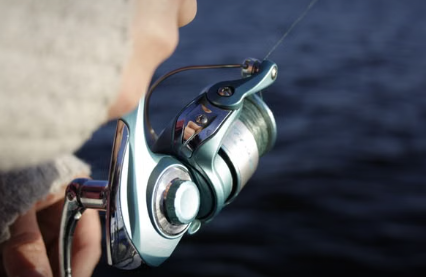
What the drag does on a spinning reel
The drag mechanism permits the spool to release line while the reel is in gear. Most spinning reels are adjusted with a knob at the front of the spool, though designs vary. Tightening increases resistance; loosening reduces it. Make small turns and test again. A reel that feels acceptable when you pull line by hand may behave differently through a bent rod, so check the assembled rig.
Drag is one of a spinning reel’s main working parts, relieving a sudden rise in line tension by letting line out. It does not guarantee that a fish will be landed, and a strong published maximum drag figure does not prove smooth control at the lower loads many anglers actually use. Line, knots, hooks and rod angle remain part of the system.
Spinning reels are approachable for casting and can suit light lures when the rod and line are matched. Their spool does not rotate to retrieve line; the rotor winds line onto it. Under sufficient tension, the drag allows that spool to turn and pay line out. Being easy to cast therefore tells you little about how smoothly the reel will release line during a sudden run.
Set for the weakest practical link
The line’s stated breaking strength is only one input. Knots can reduce real-world strength; abrasion, a light leader, fine hook wire and a rod held at a severe angle can fail first. Set drag conservatively when any of those components is uncertain. Do not use the largest number printed on the reel as your working setting. “Maximum drag” is a model specification, not a recommended load for every rod and line combination.
As a starting check, many anglers use a fraction of the line’s stated strength, then adjust for the rig and conditions. A frequently cited starting range is around one-quarter to one-third, but it is a rule of thumb, not a required target. If your line or knot strength is unknown, avoid converting that fraction into a confident kilogram or pound setting. Test the assembled rod and reel and err on the side that allows a strong pull to release line smoothly.
A scale method for a repeatable starting point
Thread the line through the rod guides, tie it to a suitable scale and have a second person hold the scale while you hold the rod at a moderate fishing angle. Pull steadily, keeping hands clear of the line’s path, and note the load when line begins leaving the spool. Adjust the drag knob in small steps until release begins near your chosen conservative starting point. Repeat several pulls to check consistency; a sticky initial surge is more concerning than a small change in the reading.
Do this in a clear area and keep the rod well below a high-sticking angle. The aim is to test controlled line release, not to find the breaking point of the rod or knot. If the reading jumps before line starts to move, inspect the line path, spool lip and drag behavior. Replace damaged line or retie a doubtful knot before trusting a new drag setting. When you change leader, line or rod, repeat the check.
A useful check without a scale
With the line correctly threaded and the rod assembled, have another person pull steadily from several feet away while you hold the rod at a normal working angle. The line should come off under a firm, even pull. It should not spill off from a light touch or remain locked while the rod approaches an uncomfortable bend. This cannot give an exact force, but it does reveal a locked or erratic drag.
Do not wrap line around your hand to make the test. A thin line under load can cut skin. Use a suitable handle or scale attachment with no exposed hooks, clear of people and fragile objects. If you cannot arrange a controlled pull, wait until you have a helper or a safe scale setup. Do not improvise a test that loads one guide sideways.
Before accepting the setting, check these three things:
- Line starts moving without a sharp initial jump.
- The pull stays reasonably even as more line leaves the spool.
- The knob still has room for small adjustments in either direction.
Check the drag again at the water
Before the first cast, pull line through the guides and confirm that the spool releases without a sharp jerk. After a knot change, a snag, a hard fight or a move to a different line, check again. With less line on the spool, the same drag torque can produce more line tension because the effective spool radius is smaller. That is another reason to test the working rig instead of trusting a knob position memorized from a previous trip.
During a fight, keep the rod bent without driving it straight up. If the fish surges and the drag is not giving line, ease pressure or loosen the knob slightly. If the fish moves toward you, recover slack while maintaining a useful rod angle. Avoid winding against a drag that is freely slipping; that can add line twist without bringing the fish closer. Sudden runs are exactly when controlled release matters most.
Line leaving the reel is not automatically a fault. The release reduces the load carried by the line and hook when a fish suddenly pulls harder. Once that surge eases, the reel can regain line. Watch that exchange of release and recovery rather than trying to prevent every centimeter of movement. The drag is there to relieve abrupt tension; tightening it simply to stop all line leaving defeats that function.
Hooksets and drag are a balance
An extremely loose drag can release line during a hookset instead of transferring enough force to the hook. An overly tight drag can create a hard shock through a short line and stiff rod. Match your hook style and rod action, and test with the lure or bait you will actually use. There is no universal setting for a fine-wire hook, a heavy single hook and a small treble. The site’s rod and reel selection guide helps frame that full setup choice.
If you have to keep tightening drag to set a hook, inspect the hook point, knot and line stretch before blaming the reel. If hooks pull free late in the fight, check whether you are maintaining tension and whether the rod is cushioning short runs. Drag is one adjustment in a connected system. More knob pressure cannot correct every rigging or handling problem.
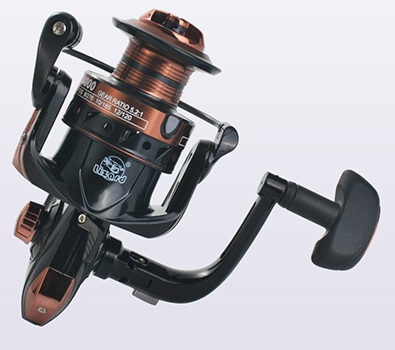 What to check when choosing a spinning reel
Turn the drag knob across its usable range and test how evenly line leaves the spool at the load you expect to fish. Look for repeatable adjustment and a smooth start, not merely a large maximum-drag claim. Check the exact model size, spool capacity and line type, since a family listing can cover quite different rigs. A reel that suits light freshwater line may not be the right choice for a heavier offshore setup just because both share a name.
Laike’s Big Game Spinning Fishing Reels page lists a range of sizes and refers to a drag system. It does not provide enough model-level drag data on that page to justify quoting a working force for each size. Ask for the current SKU table and test a sample at a realistic load if drag consistency is important to your assortment. The wider fishing reel guide can help customers compare reel types before they reach the drag-setting stage.
The Laike catalog places reels alongside rods, line and other tackle. For a matched order, give the supplier your target line and leader, rod rating, intended fish and water type, and the reel sizes you are considering. Ask which drag specifications belong to those exact sizes. That conversation is more informative than a headline maximum-drag number detached from the rig a customer will use.
Frequently asked questions
Should I tighten drag all the way before casting?
No. Start with a setting suited to the line, knot, rod and hooks, then test line release through the guides. A fully tightened knob can leave no margin for a sudden load. Check again after changing part of the rig.
Why does my drag jerk before it slips?
The line may be catching on the spool or a guide, the drag may be uneven, or the reel may need service. Inspect the full line path and repeat the pull test. Do not assume the printed maximum drag tells you how smoothly a reel starts releasing line at a lower working load.
Can I adjust drag while fighting a fish?
Yes, in small changes when you can keep control of the rod and line. If the fish is running and the system feels locked, slightly reduce pressure. Avoid sudden large turns that make the reel either loose or nearly locked. The goal is steady tension through the fight.