
Choosing the right Fishing Line is not just a small tackle decision. It affects casting distance, bite detection, knot stability, abrasion resistance, and how well an angler controls different fish. Beginners often buy by price or thickness. Retail buyers need a wider view: which line is easy to explain, which one fits common fish species, and which products can sit well in beginner kits or seasonal displays.
Laike supplies fishing tackle including rods, reels, lures, fishing lines, hooks, tools, combos, and nets. The company homepage states that Tianjin Laike Co.,Ltd has more than 10 years of fishing tackle experience, its own factory in Weihai, and product coverage across fishing lures, rods, reels, lines, and accessories. For this guide, the focus is on two practical products: Strong Nylon String Fishing Line and Fly fishing line.
Why Does the Right Fishing Line Matter for Different Fish?
Different fish do not fight the same way. A small trout in a stream, a carp in a lake, and a saltwater fish near rocks all put different pressure on the line. The right line choice should start from fish size, water structure, fishing method, and user skill level.
Fish Size and Fighting Power
For small freshwater fish, a thinner and softer line usually gives better handling and more natural bait movement. For bass, carp, and other medium freshwater fish, the line needs enough stretch to absorb sudden runs while still giving the angler control. For larger fish or stronger runs, buyers should check both diameter and pulling capacity instead of only choosing the thickest option.
Laike’s Strong Nylon String Fishing Line is listed with wire diameters from 0.105mm to 0.523mm and tensile strength from 0.91kg to 14.8kg, which gives retailers room to build different SKUs for light, medium, and stronger fishing setups.
Water Conditions and Abrasion Risk
Water condition changes the line requirement. Clear lakes often need a line that does not look too obvious in water. Rocky shores, bridge areas, weed edges, and rough bottoms create abrasion risk. Saltwater use also asks for better surface smoothness and resistance to rough contact.
This is where a practical nylon fishing line can work well for everyday buyers. Nylon has stretch, manages sudden pressure better than a very stiff line, and is easier for new users to handle during knots, spool loading, and regular casting.
Beginner Mistakes in Line Selection
Many beginners use the same line for every situation. That causes common problems: loose coils, poor casting, broken knots, or a line that is too visible for cautious fish. Another mistake is buying based only on pound test while ignoring the reel, rod, lure weight, and water structure.
For a fishing line for beginners, the first goal should be clean handling. A line that casts smoothly and ties knots easily often reduces early frustration more than a line with a stronger number printed on the package.
How Should Beginners Match Fishing Line to Common Fish Species?
A simple matching rule helps both new anglers and store staff. Start with the fish, then check water, then choose the line type. This avoids overbuying and makes product explanation easier at the retail level.
Small Freshwater Fish and Light Setups
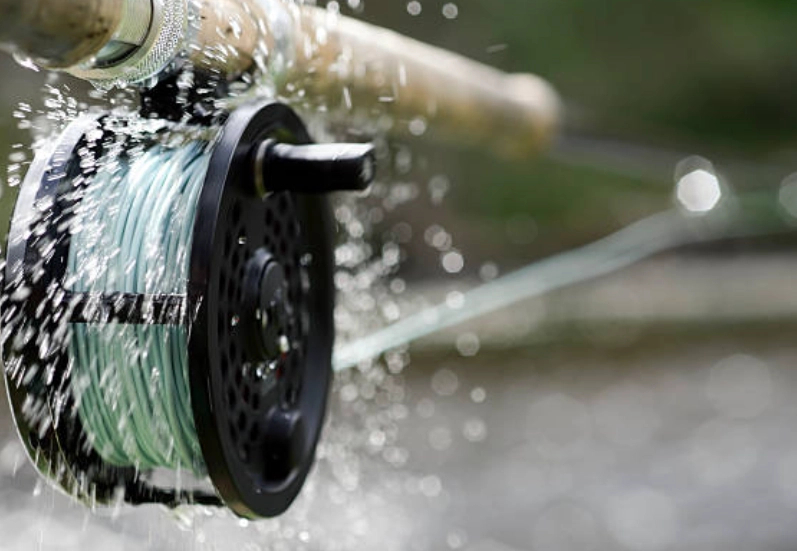
For trout, panfish, and small stream fish, users often fish with lighter rods and smaller bait. The line should not overpower the presentation. If the buyer is building a fly setup, Laike’s Fly fishing line is a more suitable product than ordinary mainline. It is a sinking fly line with Weighted Forward design, available in #4, #5, #6, #7, and #8 sizes.
For fly fishing line for trout, the line must match the rod size. A wrong size makes casting feel heavy or weak, especially for beginners learning timing and loop control.
Bass, Carp and Medium Freshwater Fish
Bass and carp need more control than small stream fish. They may run toward weeds, bottom edges, or hard cover. In this range, stretch and abrasion resistance matter. A soft but stable line gives beginners more time to react when the fish turns suddenly.
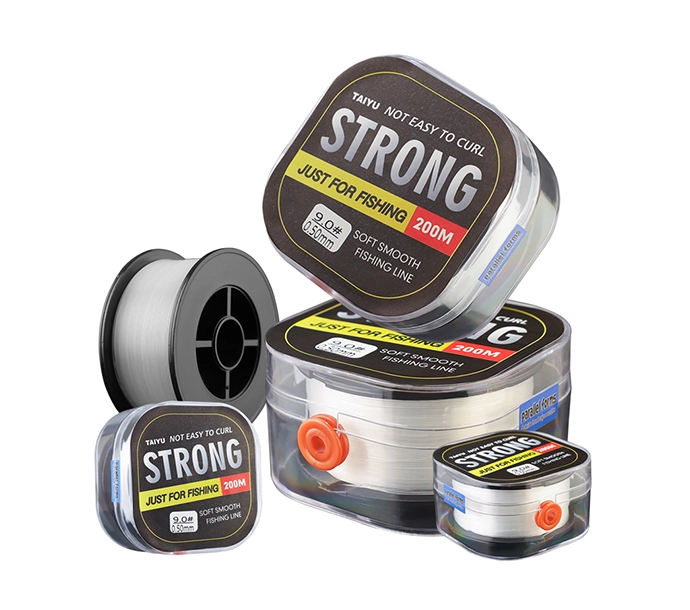
Laike’s Strong Nylon String Fishing Line fits this daily-use position. The product page lists it as transparent nylon fiber, 200 meters per spool, with multiple diameters available. For retail buyers, the 200-meter format is easy to place in entry-level line sections or starter fishing kits.
Saltwater Fish and Rough Bottom Areas
For shore fishing, rock fishing, and rough bottom areas, abrasion is often the first issue. The fish may not be huge, but the line may rub against stone, shell, or underwater edges. A saltwater fishing line needs smooth surface handling and enough resistance to friction.
Laike describes the Strong Nylon String Fishing Line as suitable for rock fishing, lake trips, freshwater, and saltwater setups. That makes it a useful item for stores that serve mixed freshwater and shore-fishing customers without overcomplicating the shelf.
Which Fishing Line Type Fits Each Fishing Method?
Fishing method decides how the line behaves in real use. A line for fly casting is not the same as a line for lake bait fishing. A line for rocky shore use should not be selected only by color or packaging.
Strong Nylon String Fishing Line for Everyday Use
For general freshwater fishing, shore fishing, and beginner setups, Strong Nylon String Fishing Line is the safer recommendation. The product’s smooth and flexible design is meant to reduce friction during casting, and the available diameter range helps match different fish sizes.
For fishing line for retail buyers, this type of product is easy to explain: choose thinner sizes for small fish and lighter tackle, then move up in diameter when fish size, cover, or abrasion risk increases.
Fly Fishing Line for Trout and Fly Setups
Fly fishing uses the line weight to cast the fly. That is why fly line selection is more technical than normal mainline selection. Laike’s Fly fishing line is 100 feet long, uses Weighted Forward taper, includes two welded loops, and is available in four colors: Green, Moss Green, Orange, and Fluo Yellow.
For shops, this can be built into a simple buying structure: #4 and #5 for lighter presentations, then higher sizes for stronger rods, larger water, or heavier flies.
Mainline and Leader Matching by Technique
A mainline handles casting and fish control. A leader handles visibility, abrasion, or bite resistance. New users should not treat every line as the same part of the rig. For lure fishing, the line must support repeated casting. For fly fishing, the line must load the rod. For shore fishing, the line must tolerate contact with rough edges.
This is also where staff training helps. If a product label only says “strong,” customers may still choose wrong. A better shelf note says: target fish, water type, line diameter, and suggested use.
What Should Retail Buyers Check Before Ordering Fishing Line?
Retail buyers need to think beyond one spool. A product that looks fine in a sample may create problems later if the packaging, size range, or reorder logic is unclear.
Material, Length and Package Consistency
Check material first. Laike’s Strong Nylon String Fishing Line is listed as nylon fiber and transparent in color, with 200 meters per spool. This matters for stores because customers can compare length, diameter, and use case quickly.
Packaging also matters. If a line twists badly on the shelf or the label does not explain the size clearly, beginners may choose the wrong product and blame the store.
Logo, MOQ and Private Label Readiness
For private label or retail programs, ask whether packaging can match your sales channel. Laike’s Fly fishing line page states that customized packaging options are available per customer requirements, with MOQ listed as 10 pieces.
A low trial quantity helps new buyers test color, size range, and market response before adding a full product family.
Assortment Planning for Beginner Kits
A practical beginner kit may include line, hooks, small lures, and a rod-and-reel combo. Laike’s product categories cover fishing lines, rods, reels, lures, hooks, tools, and combos, so buyers can plan cross-category sets instead of sourcing each item separately.
For line products, build the assortment by fish and method: everyday nylon line for common freshwater use, fly line for fly anglers, and stronger diameter options for rougher environments.
How Can Buyers Reduce Maintenance Cost and After-Sales Problems?
Line complaints often come from wrong use, poor matching, or unclear instructions. Buyers can reduce this by choosing products with clear size options and by giving simple selection notes to the end user.
Better Line Management for Beginners
Beginners need a line that is easy to spool, cast, and tie. A line that feels too stiff can create loops and loose coils. A line that is too thin for the target fish can break during a sudden pull. Strong Nylon String Fishing Line is useful here because it covers a wide diameter range, so the same product family can serve different skill levels.
Abrasion and Aging Control in Real Use
Even a good line should be checked after rubbing against rocks, weeds, or fish teeth. Anglers should cut off damaged sections and retie knots when the surface feels rough. For saltwater use, rinsing gear after fishing also helps reduce residue on reels, guides, and line.
Service, Contact and Reorder Support
For buyer-side planning, service is not only about solving problems after shipment. It includes SKU selection, packaging discussion, reorder timing, and whether the same line family can support different fish species and channels. Laike lists services such as one-stop service, strict quality control procedure, 24-hour reply, and OEM&ODM order support on its homepage.
If your team is comparing line types, package formats, or starter-kit combinations, prepare your target fish, sales channel, expected size range, and packaging notes before you contact Laike. That makes the discussion faster and reduces back-and-forth over product matching.
Conclusion
The right Fishing Line should match the fish first, then the water, method, rod, reel, and user level. For beginners, easy handling and stable knots matter more than chasing the strongest number. For retailers, the better product is the one customers can choose correctly with less explanation.
Laike’s Strong Nylon String Fishing Line fits general freshwater, lake, rock, and saltwater use where smooth handling and size range matter. Fly fishing line fits a more specific fly setup, especially when buyers need clear size and taper options for fly rods.
FAQ
Q: What Fishing Line should beginners use for general freshwater fishing?
A: Beginners usually do better with a manageable nylon line because it is easier to spool, tie, and cast. For common freshwater fish, choose the diameter based on fish size and water structure, not only price.
Q: Is fly fishing line the same as normal fishing line?
A: No. Fly line is part of the casting system. It has weight and taper to load the fly rod. Normal mainline is mainly used for casting lures, bait rigs, or general reel setups.
Q: What should retail buyers check before ordering fishing line products?
A: Check material, length, diameter range, packaging, MOQ, logo options, and whether the product can fit beginner kits or different fishing methods. This prevents wrong shelf placement and reduces customer confusion.