
If you are new to pike fishing, the first problem is not chasing a trophy fish. It is choosing gear that can handle hard strikes, sharp teeth, weed edges, and sudden runs without making the setup too difficult to use. Many beginners buy heavy tackle at random, then find the rod feels awkward, the reel does not cast smoothly, or the lure does not match the water.
Laike supplies fishing rods, reels, lures, hooks, fishing tools, accessories, landing nets, and ready-to-fish tackle combinations for retail and wholesale buyers. The company supports OEM and ODM orders, custom branding, packaging design, and one-stop fishing tackle sourcing. For beginners, shops, and online sellers, this matters because a practical setup is not one product. It is a matched group of rod, reel, lure, hook, line, and handling tools.
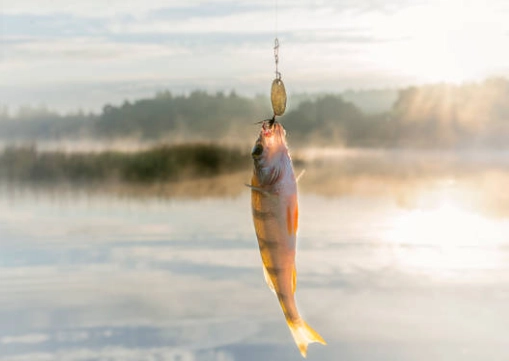
What Basic Gear Do You Need for Pike Fishing as a Beginner
This basic setup for a beginner needs to be simple, yet not weak. Pike can attack fast and turn sharply after hook set. As for the gear, you need one that is strong enough for predator fishing, has sufficient power for casting larger lures and sufficient safety features for unhooking fish.
A Strong Rod and Smooth Spinning Reel Setup
A good pike fishing rod and reel setup needs to be able to cast big lures and handle a lot of line. A Cork handle fishing rod is ideal for repeated casts as it provides a firm grip and enables anglers to manage big lures in margin, edge and weed covered water.
For the reel, Big Game Spinning Fishing Reels fit beginners who want simple operation with stronger fish control. A spinning reel is easier to learn than more technical reel types, especially when fishing from banks, lakesides, or reservoirs.
Durable Hooks and Metal Lures for Predator Strikes
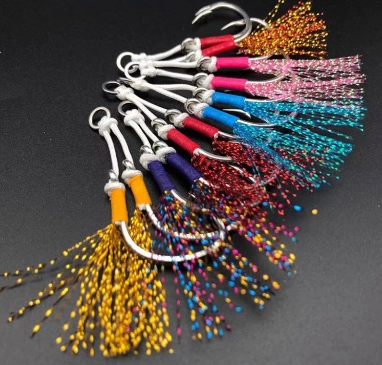
Pike have hard mouths and aggressive strike behavior, so weak hooks are a common failure point. The Metal Jig Hook fits predator fishing better than light hooks used for small species. It supports firmer hook penetration and reduces the risk of bending during sudden pressure.
For lure choice, a 60g 80g Metal jig helps beginners cover open water and deeper areas. Heavier metal lures cast farther, sink faster, and give clearer feedback during retrieve.
Basic Handling and Safety Accessories
A beginner will also require a landing net, long-nose pliers, hook remover, leader material and a lure box. These items are not decorative and will serve to minimize injury to yourself and protect the fish whilst handling, also preventing the hook from being pulled further into the fish’s mouth and allowing the unhooking of fish to happen at a safe pace.
How Should Beginners Choose a Pike Fishing Rod and Reel
A lot of new anglers judge tackle by size. This is not enough. The rod, reel, lure and line all have to be of a size to work well together. A balanced outfit will cast better, feel lighter in your hand and give you more control over fish that make runs as you are playing them.
Cork Handle Rod for Grip and Control
Cork handles on fishing rods are very useful. They give a good grip to your hands whether they are wet or cold. If you are bank fishing and casting for long periods of time from grass, mud or uneven ground then a good grip to your rod is essential. It helps to stop your hands getting tired and helps to maintain the angle of the rod when using lures to fish along weed beds or drop-offs.
A cork handle rod for shops building a start-up pike fishing tackle set also makes the outfit look more serious without making it impossible for a complete beginner to use.
Big Game Spinning Reel for Easy Casting and Fish Control
A spinning reel is beginner-friendly because the casting motion is simple and line management is easier. For predator fish, the reel should not only cast. It should also retrieve smoothly after a lure moves through weeds, current, or deeper water.
Big Game Spinning Fishing Reels are a practical match for anglers who need stronger control but do not want a steep learning curve. This makes them useful for individual beginners and for retailers planning pike starter tackle bundles.
Drag Performance for Sudden Pike Runs
Drag is one part beginners often ignore until the first hard strike. If the drag is too tight, the line or knot may fail. If it is too loose, the hook may not set properly. A good reel lets line release under pressure while keeping steady tension.
Before your first trip, pull line from the reel by hand and check whether the drag releases smoothly. It should not lock up, jerk, or spill line too freely.
Which Lures and Hooks Work Best for Beginner Pike Fishing
After the rod and reel, lure choice decides how much water you can cover. Beginners do not need a large box at the start. A few metal lures and reliable hooks are enough for learning retrieve speed, depth control, and bite detection.
Metal Jigs for Covering More Water
Metal jigs are useful in freshwater predator fishing gear because they cast well and cover different depths. A 60g or 80g metal jig suits open areas, deeper margins, and situations where you need distance.
For pike lure selection, beginners can start with steady retrieve, lift-and-drop, and short pauses. If you do not know where fish are holding, cast across likely areas and change retrieve speed before changing lure types.
Metal Jig Hook for Better Penetration and Durability
Hook strength matters more in predator fishing than many beginners expect. Pike can twist hard after striking, and a poor hook point may slide, dull quickly, or open under pressure. A metal jig hook should hold its shape, keep its point, and match the lure size.
From a manufacturing standpoint, Laike’s metal jig hooks use high-carbon alloy material with a treated surface for corrosion resistance. This helps the hook maintain strength when it contacts a pike’s bony jaw, underwater stones, weeds, or other rough structures. For retail buyers, this reduces the chance of early equipment complaints caused by hooks bending, rusting too soon, or losing reliable penetration after repeated use.
Simple Retrieve Patterns for First-Time Anglers
Begin with a steady retrieve. Add a pause or two after a few turns of the reel if you do not get a bite. In deeper water allow the jig to sink completely then lift your rod tip and begin to reel as the jig falls back down to the bottom. Near vegetation allow the lure to drift just above the top of the cover as opposed to dragging it through the weeds.
How Can Beginners Build a Practical Pike Fishing Kit Without Buying Too Much
A good starter kit is not the largest box of lures. A good starter kit is a box with the least amount of wrong lures for that buyer’s first foray into pike fishing. This is how B2B buyers need to think when developing an entry-level pike tackle bundle.
Starter Kit for Casual Freshwater Pike Fishing
A simple tackle set could consist of 1 cork handle rod, 1 big game spinning reel, 5-7 x 60g and 80g metal jigs, matching metal jig hooks, leader material, a pair of pliers and a landing net. This set of tackle covers all aspects of fishing, including casting, hooking up, fighting the fish and landing it safely.
Retail Kit Logic for Shops and Online Sellers
Some retail buyers group products by use case, for example: Bank fishing kits, Lake fishing kits, Reservoir fishing kits and a Beginner’s predator fishing kit. This allows the buyer to rapidly select the correct combination of products thus minimizing the opportunity for incorrect purchasing.
For B2B buyers, the real risk in entry-level bundles is slow-moving stock caused by random accessories that do not fit the main tackle. A pike kit should match lure weight, hook size, rod strength, reel capacity, and leader choice as one selling unit. Laike can support this type of bundle planning, so retailers are not just buying separate components. They can build a cleaner shelf offer with fewer confusing items and better repeat-purchase potential.
OEM Packaging and Custom Bundle Options
For distributors and online sellers, Laike can support OEM packaging and custom product combinations. A ready-to-sell kit can include matched rods, reels, lures, hooks, and accessories instead of forcing customers to build everything item by item.
What Should You Check Before Your First Pike Fishing Trip
A short check before leaving can prevent most beginner failures. This also helps retail buyers explain product use more clearly to end customers.
Rod Reel and Line Balance
Make sure the reel seat is tight, the reel turns smoothly, and the lure weight feels suitable for the rod. If the rod overloads during casting, change to a lighter lure. If the lure feels too light and cannot cast well, adjust the lure choice instead of forcing the rod.
Hook Sharpness Lure Condition and Drag Setting
Check hook points, lure coating, split rings, knots, and drag. Replace damaged hooks before fishing. Set drag before the first cast, not after the first fish. This small habit can prevent lost fish and broken tackle.
Service Support and Contact for Gear Selection
If you are building a retail kit, private-label bundle, or first purchase plan, product matching matters more than buying separate items. Laike can help sort rod, reel, lure, hook, packaging, and market-positioning details based on your selling channel. For product lists, bundle discussion, or sample requirements, use this contact page to share your target market and kit idea.
FAQ
Q: What is the easiest setup for pike fishing beginners?
A: A spinning reel, a cork handle rod, a metal jig, a strong jig hook, a leader material, pliers and a landing net. The simplest starter outfit. It does not need to be filled with many different lures.
Q: Are metal jigs good for beginners catching pike?
A: Yes. Metal jigs cast well, sink fast, and help beginners search more water. They are useful when you fish lakes, reservoirs, or deeper edges where pike may not stay close to the bank.
Q: What should a shop include in a beginner pike kit?
A: A shop can include a rod, spinning reel, metal jigs, metal jig hooks, leader material, pliers, and basic storage. This makes pike fishing easier for new buyers because the main parts are already matched.