
A Fishing Tackle Wholesale order is practical to import when the assortment, samples, cartons, labels, documents, and reorder plan all match the buyer’s sales channel. A low unit price is not enough. If the shipment arrives with unclear variants, weak packaging, mixed product roles, or missing order records, the importer pays for that confusion later.
Laike supplies fishing tackle across rods, reels, lines, hooks, lures, and accessories, with OEM/ODM support for buyers who need assortment and packaging adjustments. This makes sense for importers only when the order is built around real demand: retail shelves, e-commerce listings, distributor catalogs, gift sets, or seasonal promotions.
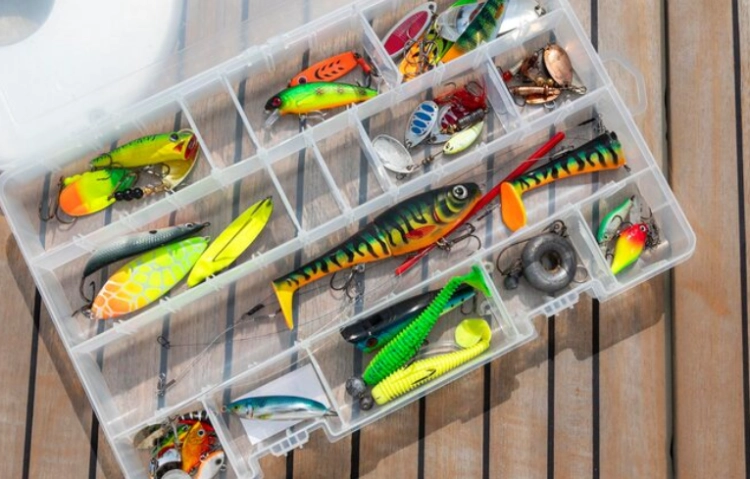
What Should Importers Define Before Requesting a Quote?
The first quote should not be a loose shopping list. It should describe who will buy the products and why the assortment belongs together.
Sales Channel and Buyer Profile
A supermarket fishing section, an online marketplace listing, and a specialist tackle shop do not need the same SKU mix. Importers should define price tier, target user, fishing scene, packaging format, and expected reorder speed before asking for unit prices. This keeps the supplier from quoting products that are technically available but commercially mismatched.
It also makes the first conversation shorter. Instead of asking for “popular fishing items,” the importer can say the order is for a family outdoor aisle, an entry e-commerce bundle, or a specialist lure display. That gives the supplier a sharper frame and reduces the back-and-forth that usually delays sampling.
Product Roles Inside the Assortment
Each item should have a job. A hook may be a refill item, a reel may be an upgrade product, and a lure may drive trial purchase. If every product is treated as general purpose, the order becomes hard to explain. Buyers should use current sell-through, seasonal demand, and channel requirements to decide which specialist SKUs belong in the first shipment. The related planning article, 2026 fishing gear trends, can provide additional context when that topic is relevant.
MOQ, Samples, and Revision Time
MOQ should be checked by product, color, packaging, and logo requirement. A small order with standard packaging may be simple; a branded order with mixed SKUs can need more preparation. Importers should ask how samples, pictures, version confirmation, mass production, packing, and delivery will be handled.
Revision time is often underestimated in Fishing Tackle Wholesale work. A hook pack may need a label change, a reel box may need a different insert, and a lure set may need the color name changed for the local market. None of these points is dramatic alone, but together they can push the order schedule if they are found late.
Before mass production, record MOQ by SKU and variant, sample approval date, confirmed revision time, production lead time, carton dimensions, gross weight, inner-pack quantity, inspection scope, and reorder code. These fields should match the quotation, sample label, package artwork, packing list, and carton mark. If a value is not documented in the current order file, do not present it as a fixed delivery promise or quality guarantee.
Which Products Make a Wholesale Order Easier to Manage?
A practical import order balances stable basics with a few products that give the catalog character.
Core Consumables
Hooks, line, swivels, and small lures are easier to reorder because customers replace them. The Lead Jig Head Fishing Hooks page is a useful example for building a hook-led replenishment group. Importers should check size range, material description, packaging count, and bait match before adding too many variants.
Visible Shelf Products
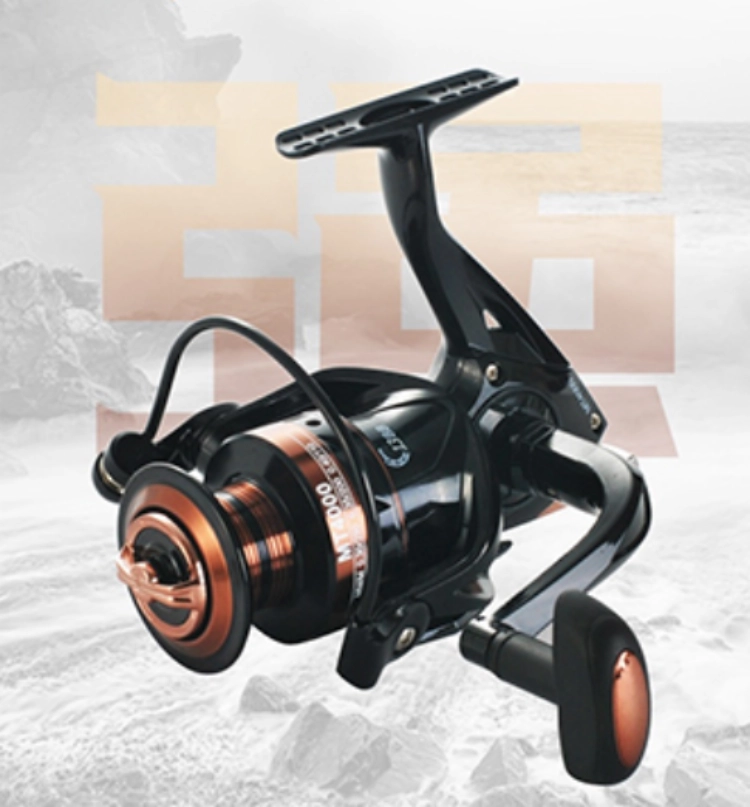
Reels, rods, and boxed kits carry more shelf value and need more explanation. The Big Game Spinning Fishing Reels page gives a clear reel range from size 1000 to 7000, with different weights and gear ratios. That kind of range can work when the importer chooses only the sizes that match the market.
Specialist or Seasonal Items
Specialist products can improve the order value, but they should not dominate the first shipment unless demand is already clear. Saltwater, ice fishing, pike, trout, and deep-water items all need different product logic. A mixed container should still have a readable structure.
| Product role | Import value | Main check |
| Consumables | Repeat purchase | Size, count, packaging, reorder code |
| Shelf products | Higher ticket value | Specification, sample feel, product explanation |
| Specialist SKUs | Differentiation | Clear demand and limited starting quantity |
How Should Packaging and Carton Planning Be Checked?
Bad packaging turns a good product into a difficult shipment. Importers should think about both customer-facing packaging and export cartons.
Retail Packaging and Variant Labels
Retail packs should show product type, size, color or model, count, and intended use. For e-commerce, the same information should match listing titles and photos. If the box, label, and online title use different names, customer service becomes harder.
SKU naming should be boring on purpose. A warehouse picker should understand the difference between two variants without knowing fishing slang. The same code should appear on the quotation, sample label, inner pack, carton mark, and reorder sheet, so a Fishing Tackle Wholesale order can be checked by operations staff, not only by the buyer who started the project.
Export Cartons and Mixed SKU Control
Mixed cartons can reduce logistics cost, but they need accurate labels and packing lists. Each carton should identify product name, SKU, quantity, color or size mix, and gross weight where required. A Fishing Tackle Wholesale shipment becomes easier to receive when warehouse staff can check it without opening every small pack.
Damage and Moisture Risk
Hooks can puncture bags, rods can bend, reels can rub against inserts, and line spools can deform under pressure. Packaging should separate sharp, heavy, and delicate products. Importers should ask for carton photos or packing confirmation before shipment.
Moisture deserves special attention because many orders move through ports, inland warehouses, and retail back rooms before sale. Paper cards can curl, metal parts can spot, and adhesive labels can lift. Importers do not need complicated language here; they need clear packing photos, sealed inner packaging where useful, and cartons that match the actual handling route.
What Quality Checks Matter Before Shipment?
Quality control should match the product type. One checklist cannot cover rods, reels, hooks, lines, and lures equally.
Appearance and Count Check
Confirm color, surface finish, printed logo, package count, barcode or label position, and visible damage. For mixed orders, this is where many errors are caught early.
Function and Fit Check
Reels should turn smoothly, handles should fit, hooks should match the listed size, and lures should carry the expected hardware. If the order uses custom packaging, check the product in its final retail pack, not only loose samples.
Reorder File Check
Keep the approved sample photos, quotation, SKU list, packaging artwork, carton mark, and inspection notes together. Laike’s Fishing Gear Customization Services can support OEM/ODM order planning, but the importer still needs a clean internal record for reorders.
Conclusion
A practical Fishing Tackle Wholesale order is not simply the cheapest product mix. It is an assortment that can be quoted clearly, sampled against documented specifications, packed safely, received with accurate carton records, and reordered without rebuilding the project. Importers should define the sales channel first, assign a role to each SKU, confirm MOQ and production fields, control labels and cartons, and keep the approved sample and reorder file complete.
Contact Laike About Fishing Tackle Wholesale Orders
Prepare the Assortment Plan
List product categories, target market, channel, quantity, packaging, and shipment requirements.
Confirm Samples and Cartons
Ask for sample confirmation, SKU list, packing method, and export carton details before mass production.
Send the Import Questions
Use Laike’s contact page to discuss Fishing Tackle Wholesale orders and OEM/ODM options.
FAQ
What Makes a Fishing Tackle Wholesale Order Practical?
A practical order has a clear product role, matched sales channel, confirmed samples, accurate labels, safe cartons, and reorder records.
Should Importers Start With a Wide Assortment?
Not always. A narrower first order with clear best-seller logic can be easier to receive, sell, and reorder than a broad mixed shipment.
What Should Be Checked Before Shipment?
Check product count, color, size, labels, packaging, carton marks, sample match, and basic function for each product type.