
Fishing Kits work when a beginner can pick up one box and understand the first trip without asking ten separate questions. For wholesale buyers, that sounds simple, but it is where many starter sets go wrong. A kit with too many small parts feels generous on a spreadsheet and confusing on a shelf. A good set gives the user a clear fishing scene, matched tackle, and an obvious next purchase.
Laike works across rods, reels, lines, hooks, lures, and fishing accessories, with OEM/ODM support for different order sizes and packaging needs. That range is useful for retailers only when the kit is built around a real customer: a parent buying for a child, a casual angler planning a weekend, or a new buyer who has no idea which hook goes with which bait.
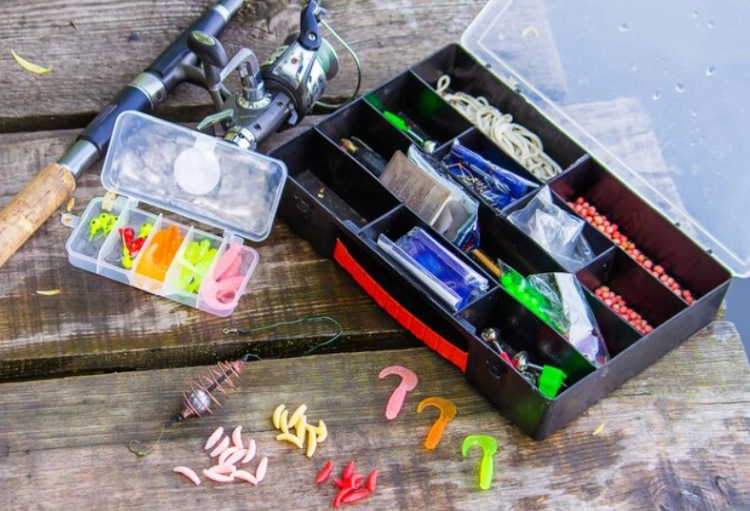
What Should a Beginner Fishing Kit Solve First?
A beginner kit makes the first outing less messy. It is not a clearance box with unrelated parts. Before adding more SKUs, decide what problem the set solves.
Think about the customer standing in front of a shelf five minutes before a weekend trip. That person may not know hook patterns, reel sizes, or lure actions. Fishing Kits earn their place when the package reduces hesitation and gives the buyer enough confidence to start.
One Clear Fishing Scenario
Start with the setting: pond, riverbank, light freshwater, trout stream, bass bank fishing, family holiday, or entry saltwater use. A small pond kit does not need the same line, lure weight, or reel reserve as a kit for stronger current. Put the scene in the product name and front panel so the buyer can decide quickly.
Rod, Reel, Line, and Hook Compatibility
The customer does not want to guess whether the reel fits the rod or whether the line is sensible for the hook. If the kit includes Lead Jig Head Fishing Hooks, the pack needs to explain the soft-bait match and likely fishing style. The same species-led logic can be applied when the range expands to pike or other technique-specific beginner kits; the related pike selection guide, what gear beginners need for pike fishing, provides useful context.
A Short Learning Path
Do not overload a beginner with ten lure styles. One main rig, a spare line or hook set, and simple storage can be enough for the first box. The second purchase can then be a lure expansion, stronger line, or replacement hooks.
The learning path also needs to be clear for store staff. If a customer asks what to buy after the kit, the answer cannot depend on one experienced salesperson. Put the next refill item or upgrade item into the range plan from the beginning.
Which Products Belong in Entry-Level Fishing Kits?
Entry-level does not mean low-care. Every product in the box needs a reason to be there, and every part needs to survive normal packing, transport, and first-time handling.
Hooks and Jig Heads
Jig heads are easy to explain because they connect hook, weight, and soft bait into one visible part. The 5 Colors Jig Head Hook can support a set where color choice becomes part of the learning process. Keep the first range to a few sizes or colors; otherwise the beginner spends more time guessing than fishing.
Reels and Rod Combos
If a retailer adds a reel and rod, the combo needs to feel balanced for the target user. Oversized reels make a light kit feel heavy. Weak rods make larger fish feel risky. Laike’s broader supply range allows rod, reel, line, and accessory combinations, but the kit brief has to define which parts belong together.
Before mass packing, record the confirmed rod length and action, reel size and gear ratio where applicable, line type and strength, hook number and gap, lure weight, storage format, and intended fishing scene. Approve the kit only when the assembled rod, reel, line, hook, and lure work together in a sample check. Keep the same confirmed values in the product brief, package artwork, carton list, and reorder file.
A simple handling check helps here. Hold the assembled set as a beginner would hold it, not as a product manager reading a spreadsheet. If the reel pulls the rod forward, if the grip feels too large for a child or casual user, or if the line looks too fine for the hook size, adjust before bulk packing.
Lures and Small Accessories
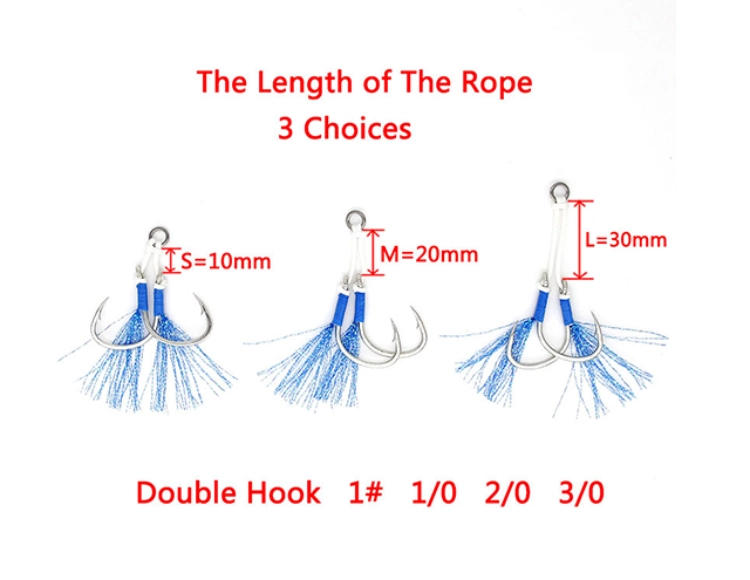
Lures need to teach one simple action. A metal jig, spoon, or soft bait can each work, but mixing too many techniques in one first box creates noise. The Metal Jig Hook fits kits that lean toward jigging or stronger hook presentation.
| Kit type | Best user | Core contents |
| Basic hook kit | First-time bank anglers | Hooks, small weights, line notes |
| Jig starter kit | Soft-bait beginners | Jig heads, soft bait, short guide |
| Retail combo kit | Gift or family channel | Rod, reel, line, hooks, compact storage |
How Should Retailers Build Good, Better, and Refill Sets?
Wholesale planning becomes easier when the first purchase and second purchase are connected. This is where many Fishing Kits can turn from a one-off promotion into a small repeat category.
Good: Simple First-Trip Kit
The opening kit needs to be affordable, compact, and easy to understand. It needs enough equipment for a first try, but not so much that the customer feels lost. A small guide card can be more useful than extra pieces because it lowers the fear of using the wrong part.
Better: Species or Technique Kit
The upgrade kit can focus on bass, trout, carp, pike, or saltwater pier fishing. This is where more specific hooks, line strength, lure weight, or reel size can enter the range. One package design for every species makes the shelf harder to read because customers need to see the difference quickly.
Refill: Consumables and Replacements
Hooks, line, soft baits, swivels, and small lures are natural refill items. If the first kit sells well, the refill wall can carry the margin. Put refill SKU names close to the starter kit so customers know what to buy next.
Refill planning also protects the retailer after the first season. When a buyer returns with a damaged hook, missing jig head, or empty soft-bait pack, the store needs a direct replacement ready. That small convenience can matter more than adding another unfamiliar lure into the original box.
What Packaging Details Make Wholesale Kits Easier to Sell?
Packaging is not just decoration. It teaches the customer what is inside and helps staff sell the kit without a long explanation.
Front-Panel Clarity
The front needs the fishing scenario, main contents, and user level. Avoid vague names such as “Pro Combo” for a beginner box. If the kit is for first-time freshwater use, say that directly.
Inside Layout and Damage Control
Small tackle moves during shipping. Use compartments, cards, or bags to separate hooks from soft baits and line. A product that arrives tangled feels cheap even if the actual components are fine. For an online seller, that first unboxing photo can decide whether the listing gets a good review.
OEM/ODM and Reorder Records
For wholesale programs, save the approved content list, package artwork, hook sizes, lure colors, line strength, carton count, and sample photos. Laike’s Fishing Gear Customization Services can support this kind of kit planning when buyers need brand-specific packaging or assortment changes.
Conclusion
Fishing Kits make beginner buying easier, not broader for its own sake. Retailers should define the fishing scene, approve rod-reel-line-hook-lure compatibility with documented fields, build a refill path, and use packaging that teaches the first action. A practical Fishing Kits program can then grow from a first-trip set into species kits and replacement sales without creating an unstructured assortment.
Contact Laike About Fishing Kit Planning
Prepare the Kit Brief
List target market, user level, fishing scene, contents, packaging needs, and order quantity.
Confirm Product Compatibility
Check rod, reel, line, hook, lure, and storage fit before approving the set.
Send the Wholesale Questions
Use Laike’s contact page to discuss Fishing Kits, samples, and OEM/ODM packaging.
FAQ
What Should Be Included in Beginner Fishing Kits?
Beginner Fishing Kits usually need a clear fishing scenario, matched rod and reel if included, line, hooks or jig heads, simple lures, and basic storage or instructions.
Should Retailers Sell One Universal Fishing Kit?
Usually no. A universal kit often becomes too vague. A better range separates freshwater, species-led, family, and refill kits.
How Can a Retailer Increase Repeat Sales From Fishing Kits?
Connect the starter kit to refill hooks, line, soft baits, lures, and small accessories so the customer has a simple second purchase.