
For retailers planning a Fishing Rods Wholesale assortment, product names are not enough. Length, power and action shape hand feel, casting and fish control. A practical range should connect those three specifications to target species, fishing water, lure weight and customer experience instead of filling a catalogue with near-identical models.
Laike supplies fishing tackle for different techniques and purchasing programs. Its rod range includes a cork handle fishing rod, a portable carbon telescopic fishing rod and a carbon fly fishing rod. These products give a buyer three useful assortment positions, but each one still needs a clear specification and an honest use case.
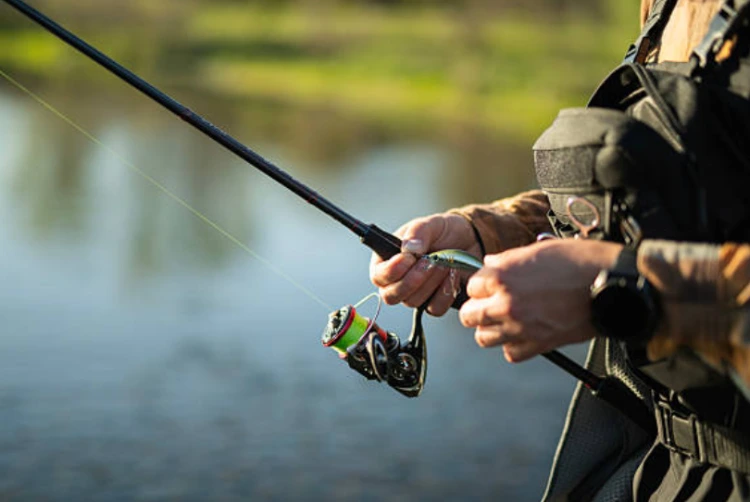
What Do Length, Power and Action Tell a Buyer?
The three terms describe different parts of rod behavior. Length relates to reach and leverage, power to the load the blank can handle, and action to where the blank bends and how quickly it responds.
Length Changes Casting Distance and Control
Longer rods can help create casting distance and line control when the bank or shore gives the angler room. Shorter rods are easier to maneuver around trees, narrow banks and small or medium rivers. They can also feel more direct when a customer is fishing from a confined platform.
Retailers should avoid treating length as a simple “longer is better” feature. A long rod may be harder for a beginner to control, while a short rod may not provide enough reach for an angler who needs to keep line away from current or vegetation. A useful fishing rod length guide should connect the model to the water and customer skill level.
Power Describes the Load the Blank Is Built to Handle
Power is the resistance of the blank when load is applied. It affects the lure range a rod can manage, the reserve available during a hook set and the type of fish a customer can reasonably target. It should be considered with line, lure and drag settings, not read as an isolated label.
Carbon construction and blank stiffness also affect how the rod handles casting and fish control. A retailer should ask whether the stated power is supported by a clear product specification and whether the intended lure range is shown. Without that information, two rods described with the same power may still serve different users.
Action Changes Flex Location and Response
Action describes where the blank flexes. A medium-fast action can balance blank stiffness, elasticity, casting control and a quicker response when the fish turns. A softer action may feel more forgiving, while a faster action may give a more immediate connection to the lure and line.
Power and action should be displayed side by side in a catalogue. Buyers who want a deeper explanation can see how rod action and power change on-water performance before deciding which terms need to appear on retail packaging. This is a core Fishing Rods Wholesale comparison.
How Should Specifications Match Freshwater Use Cases?
The range becomes easier to sell when each rod answers a recognizable fishing situation. Bass, trout and general freshwater customers do not necessarily need the same blank, length or action. This is the central Fishing Rods Wholesale question when a retailer builds a balanced rack.
Bass Assortments Need Lure Control and Hook-Setting Reserve
Bass buyers often care about lure control, casting accuracy and enough reserve to set the hook and guide a fish away from cover. The retailer should define the lure styles and waters the model is intended for, then match length and power to that use rather than placing “bass” on a broad universal rod.
Ask for a specification that explains the balance between sensitivity and reserve. A model that feels light in the hand still needs enough control for the angler’s lure and line setup.
Trout Assortments Need Tip Sensitivity and Light-Lure Handling
Trout programs often need a sensitive tip, easy handling of lighter lures and a length that suits streams, banks or small lakes. Laike’s rod information includes 30T carbon blank construction, Fuji guides and a fine, sensitive tip for small target fish such as trout. The short-rod position is also useful where trees or narrow water limit the casting path.
The retail description should explain this behavior in plain terms. Customers do not need a list of material words without a use case; they need to know whether the rod will help present a small lure and detect a light take.
General Freshwater Rods Need Forgiving Versatility
A general freshwater model should cover several situations without becoming vague. Medium-fast action can balance stiffness, elasticity, casting control and fish recovery. It can suit a middle assortment when the brief is not technique-specific. This is a useful Fishing Rods Wholesale position.
Keep the limits visible. A versatile rod should not be marketed as the answer for every species. State the type of water, lure range and customer level it is intended to serve.
Which Handle and Blank Details Affect the User Experience?
Customers judge a rod through the whole fishing session. Handle material, weight, guide quality and grip length affect comfort before the first fish is hooked.
Cork for Grip, Feedback and Easier Cleaning
Cork handles are soft to hold, offer a comfortable grip and have some buffering ability. Cork also absorbs less water than some materials, dries relatively quickly and is easier to clean when exposed to sand or ordinary fishing dirt. Different cork grades can create a price difference, so the grade should be clarified in the product specification.
A fishing rod wholesale buyer should think about how the handle will be stored, cleaned and presented in the shop. A grip that feels good but is not explained clearly may not justify a higher shelf position. Add the handle notes to the fishing rod length guide.
Carbon Construction for Low Weight and Strength
Woven carbon fiber cloth can increase strength at a similar rod diameter and help reduce the weight of the blank. That can make repeated casting less tiring, but the customer still needs a product matched to the fishing load. Light weight alone is not proof that the rod is suitable for a larger fish.
Retail packaging should identify the blank material and the behavior it supports. Keep material claims tied to a real use condition instead of using carbon as a general quality adjective.
Handle Length for Casting and Fish Control
Smaller target fish and confined water often suit shorter, lighter handles. Larger targets and longer casts commonly need more leverage, which can mean a longer two-hand grip. Handle length should therefore be shown with rod length and target use.
The decision is felt when the angler casts repeatedly or keeps pressure on a fish near the bank. A handle that is too long gets in the way; one that is too short may leave the user working harder than expected.
How Can Three Rods Build a Retail Assortment?
Three products can create useful coverage when each one has a clear role. The range should make the choice easier for the salesperson and the customer.
Cork Handle Fishing Rod for Core Freshwater Buyers
Cork Handle Fishing Rod can occupy a core freshwater position where grip comfort and a familiar handle material matter. Check the cork grade, rod length, power, action and target species before placing it in a mid-range or premium shelf position.
Its value is easiest to explain through use: comfortable grip, manageable cleaning and a balanced feel for repeated freshwater casting. Do not let the handle material replace the blank and action specification.
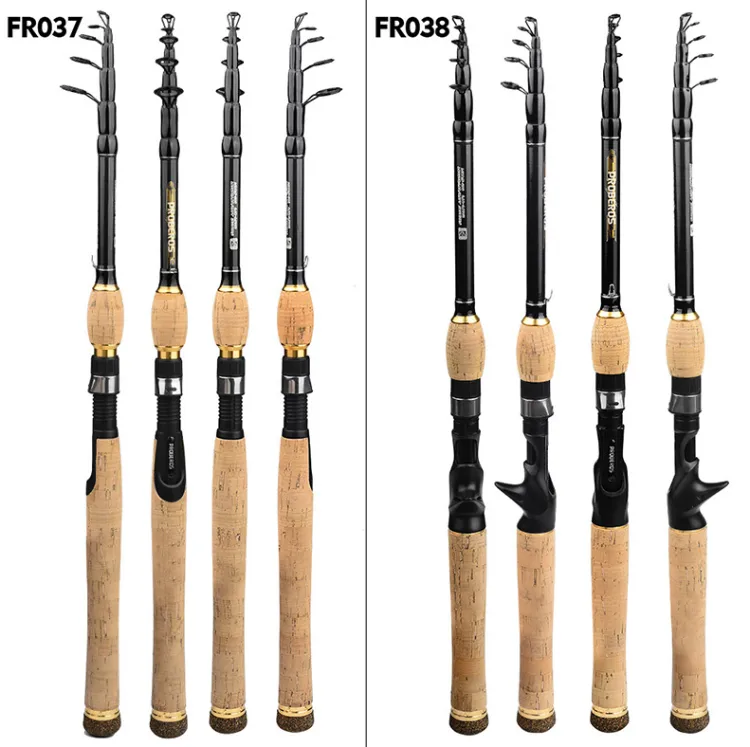
Portable Carbon Telescopic Fishing Rod for Travel and Storage
Portable Carbon Telescopic Fishing Rod serves customers who value compact storage and transport. The buyer should record the collapsed format, extended length, power, action and intended water before comparing it with a one-piece rod.
Portability can open a different retail segment, but it still needs a clear fishing use case. Explain what the customer gains in transport and what should be checked in handling, line setup and storage. Keep that explanation in the fishing rods wholesale product record.
Carbon Fly Fishing Rod for a Distinct Technique Segment
Carbon Fly Fishing Rod gives the range a technique-specific position. It should be presented with its intended fly-fishing use, rod action, handle details and line relationship rather than placed beside general spinning rods as if the products were interchangeable.
This separation helps the shop serve a focused customer without confusing the specifications of different casting systems.
A sound fishing rods wholesale plan follows a simple order: define the customer and water, choose length, set power, select action, check handle and blank details, then assign the model to a retail position. The best assortment is not the one with the most rods. It is the one in which each label helps a customer make a confident choice.
Contact Laike About a Wholesale Rod Assortment
Share Target Species, Price Levels and Sales Channels
Send the target species, fishing waters, expected lure types, customer level, price bands and sales channels. This lets the supplier discuss models against a real assortment instead of a general request for “fishing rods.”
Request Model Specifications and Samples
Request length, power, action, blank material, guide details, handle material, packing information and samples for the models under consideration. Keep each specification linked to its product code.
Send the Assortment Brief Through the Laike Contact Page
Retailers can submit the brief through the Laike contact page. Include the planned shelf role and target customer so the response can address both product fit and range structure.
FAQ
Which Rod Lengths Should a Fishing Rods Wholesale Range Include?
A fishing rods wholesale range should include lengths matched to the main waters and customers it serves. Shorter rods can suit narrow banks, trees and small or medium rivers, while longer rods can support reach and casting distance where space allows. The final range should also separate target species and technique.
What Is the Difference Between Rod Power and Action?
Power describes how much load the blank is built to handle. Action describes where the blank bends and how quickly it responds. Buyers should show both specifications together because a rod can have similar power to another model but a different flex pattern and fishing feel.
How Many Rod Types Does a Freshwater Retail Assortment Need?
There is no fixed number. A practical starting range can separate a core freshwater rod, a portable storage-friendly rod and a technique-specific fly rod, then expand according to local customer demand. Each model needs a clear length, power, action and use case.