
A beginner may learn the term fly fishing cast first, but the real question is usually simpler: which fishing style should I start with, and what setup will make casting easier? The three types of fly fishing are dry fly fishing, nymphing, and streamer fishing. Each one works in a different water layer, so the rod, line, and casting method should not be chosen in the same way. For retailers, online sellers, and OEM buyers, this difference also affects how a beginner fly fishing setup should be grouped and explained.
Laike supplies fishing rods, fishing lines, lures, and related tackle for buyers who need practical fishing products for retail, e-commerce, outdoor stores, or OEM orders. In this article, the product recommendations are not placed by category name alone. A fly rod should help with casting comfort. A fly line should match the rod and water depth. A lure product should be positioned clearly, especially when it is not a traditional fly fishing item.
What Are the Three Types of Fly Fishing?
The three main types are dry fly fishing, nymphing, and streamer fishing. They are often mentioned together, but they do not solve the same fishing problem. The key difference is where the fish are feeding and how the angler needs to present the fly.
Dry Fly Fishing for Surface Feeding Fish
Dry fly fishing is used when fish feed on insects or small food on the water surface. The cast needs to land softly. A hard splash can push fish away, especially in shallow or clear water.
For this method, casting control matters more than force. Laike’s Carbon Fly fishing rod is a natural fit for this part of the setup because its carbon rod body, multi-section structure, and cork grip suit buyers looking for a portable fly rod with a more traditional hand feel. For beginners, a lighter rod can also reduce fatigue during repeated practice.
Nymphing for Fish Below the Surface
Nymphing is used when fish feed under the surface. The cast is often shorter than dry fly casting, but line control becomes more important. The fly needs to drift naturally with the current, not drag across the water in an unnatural path.
This is where line matching affects the whole setup. A suitable Fly fishing line helps the angler manage turnover, drift, and depth. For beginner kits, line should not be treated as a cheap add-on. If the line does not match the rod rating and fishing depth, the setup may feel difficult even when the rod itself is good.
Streamer Fishing for Active Predators
Streamer fishing uses larger moving flies to imitate small fish, leeches, or other prey. It is more active than dry fly fishing or nymphing. The angler usually casts, retrieves, pauses, and changes speed to trigger a strike.
For this method, rod control and line speed matter more. A buyer should not only ask whether a setup can cast far. The better question is whether it can cast repeatedly, control a heavier fly, and stay comfortable during actual fishing.
How Is Dry Fly Fishing vs Nymphing vs Streamer Fishing Different?
Dry fly fishing vs nymphing vs streamer fishing is not just a technique comparison. It also changes how a rod, line, and product bundle should be recommended. A product page that explains this clearly can reduce confusion for new users and help B2B buyers build better beginner sets.
| Type | Main Water Layer | Main Casting Need | Best For | Product Selection Point |
|---|---|---|---|---|
| Dry fly fishing | Surface | Soft landing and accuracy | Clear water, surface feeding fish, presentation practice | Light, responsive rod and suitable line |
| Nymphing | Below surface | Drift control and line management | Rivers, current seams, fish feeding under the surface | Matched line and steady rod control |
| Streamer fishing | Mid-water or deeper | Stronger cast and retrieve control | Active fish, larger water, moving prey patterns | Rod strength, line handling, and clear product positioning |
For B2B buyers, this table also shows why one simple “fly fishing kit” may not fit every user. A dry fly user may care about delicate presentation. A nymphing user may complain more about drift and line control. A streamer user may need stronger casting support.
What Is the Best Fly Fishing Cast for Beginners?
The best fly fishing cast for beginners is usually the overhead cast, then the roll cast. These two cover the most common problems: timing, rod loading, and limited casting space behind the angler.
Overhead Cast as the Basic Starting Point
The overhead cast teaches the basic rhythm of fly fishing. The angler lifts the line, lets the rod load, stops the rod, and sends the line forward. If the rod feels too heavy, too stiff, or poorly matched with the line, practice becomes tiring.
For retailers, this is a useful product education point. A carbon fly rod can be explained not only as a material upgrade, but also as a comfort factor for repeated casting. Buyers who sell to beginners should describe rod feel in simple terms, not only list product categories.
Roll Cast for Tight Banks and Limited Backspace
Many real fishing spots do not give the angler a clean backcast. Trees, banks, rocks, and other anglers can limit space. In those conditions, the roll cast is easier to manage because the line stays mostly in front of the angler.
A smooth line helps this cast feel more controlled. That is why rod and line should be presented as a matched setup whenever possible. Selling them separately without guidance may create more customer questions after purchase.
Stronger Casts for Streamers and Deeper Water
Streamer fishing often needs more line speed. The fly profile is larger, the retrieve creates more resistance, and the water may be deeper. This does not mean every beginner needs a heavy setup. It means the seller should explain what the setup is meant to do.
A beginner who mainly fishes dry flies may not need the same rod and line feel as someone who wants to throw streamers in stronger water.
Which Fly Fishing Cast Should You Use With Each Setup?
Many users search what fly fishing cast should I use because they already know a few casting terms but still cannot connect them to real water. The answer should start with water layer, fly size, and casting space, not only the name of the cast.
Soft Presentation for Dry Fly Setup
For dry flies, use a soft overhead cast, a reach cast, and small line mends after the fly lands. The goal is not power. The goal is a clean landing and natural drift.
This setup works best when the rod and line do not overpower the fly. For beginner product descriptions, “easy to cast” should be linked to actual use: better control, less splash, and less fatigue during repeated casts.
Better Drift Control for Nymph Setup
For nymphing, short overhead casts and roll casts are often more useful than long-distance casting. The line needs to be controlled after landing because drag can make the fly move unnaturally.
A fly fishing setup for beginners should include simple line-matching guidance. A new user may not know line sizes well, so the product page should explain which rod and line can work together and what fishing depth or water type they support.
More Line Speed for Streamer Setup
For streamers, the angler may need a stronger forward cast and cleaner timing. The retrieve also becomes part of the presentation. This method suits active fish and larger water.
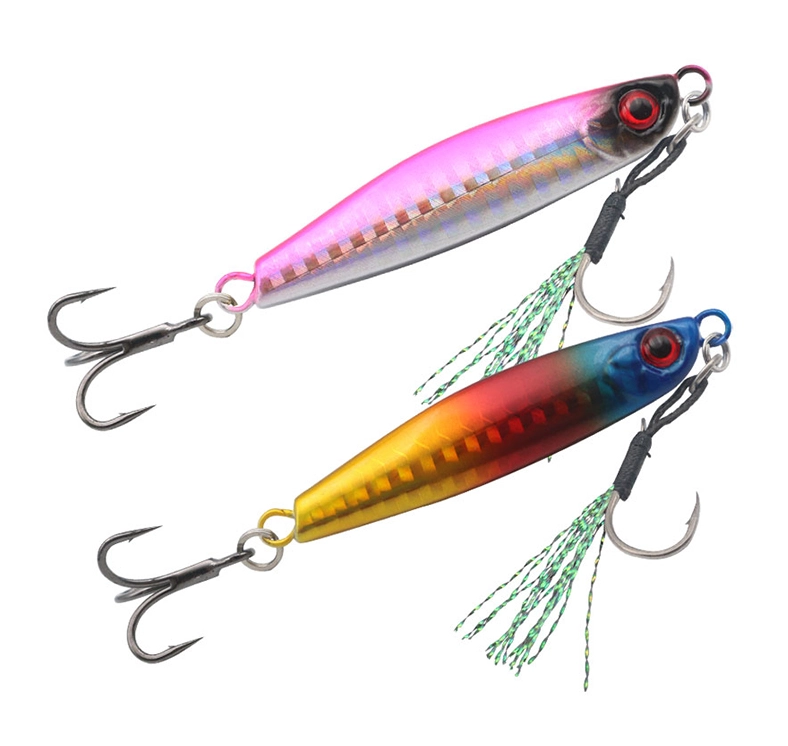
For mixed tackle buyers, streamer interest may also overlap with other predator fishing products. But the category should stay clear. Laike’s Metal Jig Lure002 is not a fly fishing product. It is better used as an additional SKU for retailers, online sellers, or distributors who want to build a wider predator fishing range beside fly rods and fly lines.
How Should Buyers Choose a Fly Fishing Setup for Beginners?
A beginner setup should be easy to cast, easy to explain, and easy to reorder. This is true for anglers, but it is also true for distributors and online sellers. If the setup is confusing, customer service work increases.
Rod Selection Based on Casting Comfort
For a beginner fly fishing setup, product details should be easy to explain on a retail page. Carbon Fly fishing rod is more suitable for buyers who want a portable rod option for entry-level or general fly fishing use. A multi-section carbon rod is easier to store, ship, and carry, while the carbon blank helps reduce hand fatigue during repeated practice. The cork grip also gives buyers a more traditional fly rod feel rather than a basic low-end handle.
Line Selection Based on Casting and Depth
The line affects the fly fishing cast more than many new users expect. A poor line match can make even a good rod feel wrong. Fly fishing line should be selected according to rod rating, casting style, and water depth.
For product pages, do not only list the line as an accessory. Explain how it helps casting, drift, and depth control. If the line includes easier connection features, make that clear in the product description because beginners often worry about setup steps.
Common Setup Mistakes That Make Casting Harder
Many beginner complaints come from mismatched tackle, not from the casting method itself. A line that is too heavy can make the rod feel slow and overloaded. A line that is too light may fail to load the rod during short casts. A rod that feels too stiff for entry-level users can also make practice harder.
For B2B buyers, this means the product page should not only show the rod and line separately. It should explain the suggested pairing, target user, water layer, and casting style.
Product Range Selection for Retail or OEM Orders
Retailers and importers often need more than one item. A practical range may include fly rods, fly lines, lures, accessories, and packaging options. The main point is not to put every product into one kit. The point is to make the product range easy for customers to choose.
For simple buying decisions, use this rule: choose dry fly fishing if the customer mainly fishes surface-feeding fish and cares about soft presentation; choose nymphing if the customer needs better control below the surface; choose streamer fishing if the customer targets active fish with larger moving flies. For beginners, start with a balanced Carbon Fly fishing rod and Fly fishing line before adding more specialized products. Keep Metal Jig Lure002 as an added predator fishing product, not as a replacement for fly fishing flies.
If your project needs a beginner fly rod range, matching line suggestions, custom packaging, or a mixed fishing tackle product list, share your target market, packing needs, and order plan through the Laike contact page. Clear details help the supplier suggest a more suitable product mix instead of only sending a general catalog.
FAQ
Q: What are the three types of fly fishing?
A: The three types of fly fishing are dry fly fishing, nymphing, and streamer fishing. Dry fly fishing works on the surface, nymphing works below the surface, and streamer fishing uses moving prey-style flies for active fish.
Q: What is the best fly fishing cast for beginners?
A: Most beginners should start with the overhead cast, then learn the roll cast. The overhead cast builds timing and rod control. The roll cast helps when there is not enough space behind the angler.
Q: Does fly line really affect the fly fishing cast?
A: Yes. The line affects turnover, control, depth, and casting feel. A good rod can still perform poorly if the line does not match the setup. For beginner kits, the rod and line should be selected together.