
How much line comes back with one turn of the handle? The ratio alone won’t answer that. Two 5.2:1 reels can have different spool circumferences and different pickup. A large spool can even give a lower-ratio reel the greater retrieve length. Ask for the figure for the size you intend to buy.
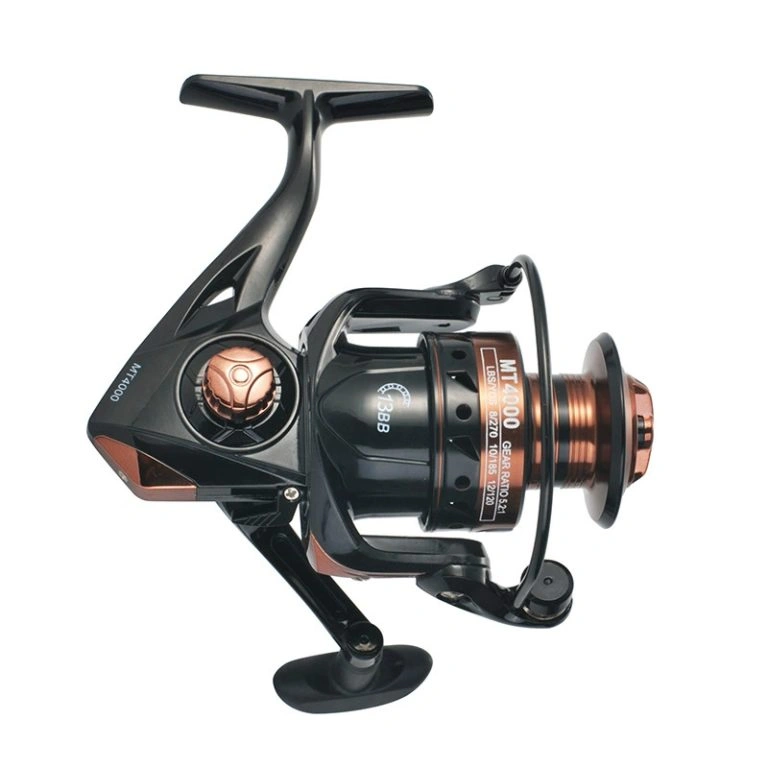
Start with what the ratio actually counts
On a spinning reel marked 5.2:1, one handle turn sends the rotor around the spool 5.2 times. The bail and line roller travel with it. The spool, meanwhile, oscillates to lay the line across its width. Watch that movement and the distinction from a baitcaster becomes clear: the baitcaster winds line onto a rotating spool.
The spool can rotate when the drag lets line out, but that is a different event. At a shop counter, “fast spool” often means that the customer wants quick pickup. Ask how much line returns per handle turn and the conversation becomes measurable.
Within one design and spool size, a higher ratio will generally increase pickup. Compare different sizes and that shortcut becomes unreliable. Each rotor revolution wraps line around a circumference, and a larger filled spool covers more distance.
Compare centimetres per turn
Line retrieve is usually given in centimetres or inches for each handle turn. Choose one unit on the comparison sheet. A label of 80 cm per turn says nothing about seconds unless the angler happens to make exactly one turn every second.
Here is a worked example, using invented values rather than Laike ratings. One reel retrieves 78 cm per turn and another 84 cm. After 50 turns, the latter has recovered three metres more line. A difference that looks minor on a single turn can therefore matter over repeated retrieval.
The hand still matters. An angler winding a lower-recovery reel briskly may move a lure faster than somebody gently turning the “faster” model. Demonstrate both at a repeatable, comfortable pace before blaming a change in lure behaviour on the ratio.
Spool fill changes the answer
After a long cast, the remaining line sits at a smaller effective diameter. The first handle turns can therefore collect less than the turns made when most line has returned. Follow the selected reel’s filling guidance and record the line type and fill level during a comparison.
An underfilled display reel gives the smaller circumference a head start in the wrong direction. Fill it as specified before judging the model slow. For a long-cast comparison, pull off a stated length and run a second check. Keep that number separate from the full-spool result.
Narrow the sizes before comparing pickup
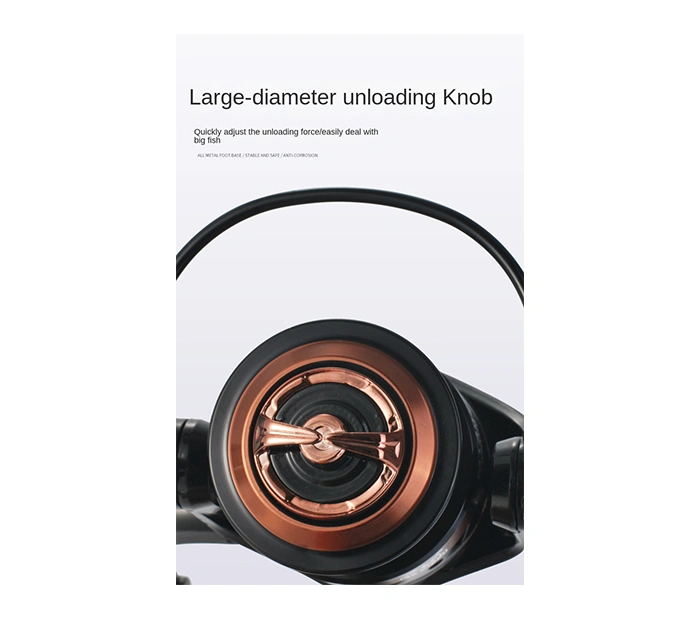
Laike covers several fishing-tackle families. On the Big Game Spinning Fishing Reels page, sizes run from 1000 to 7000. Sizes 1000–5000 are shown at 5.2:1, while 6000 and 7000 are shown at 4.7:1.
None of that identifies the line-pickup winner. One recovery value cannot be copied through the family. A large reel chosen merely for speed may overwhelm light tackle; a small one selected for its ratio might not hold the required line.
The practical order is simple. Select sizes that suit the line, capacity and outfit. Then compare retrieve distance among those candidates.
Ask what job the handle performs
With a steadily moving lure, the useful test happens in water. Can the angler hold the desired pace at an ordinary rhythm, or must every turn be watched? A setup that changes dramatically after tiny cadence shifts may demand more attention than the intended customer expects.
For a lure worked mainly with the rod, the handle often just tidies slack between movements. More pickup can mean fewer turns. It doesn’t mean continuous pulling is desirable; the presentation still needs its slack while the angler keeps contact.
Try the handle with the reel unloaded, then against the resistance expected in use. It can feel quite different. Handle length, the gears and friction contribute to that effort along with the ratio. Neither 5.2:1 nor 4.7:1 tells the whole story.
If movement feels rough, inspect the sample before recommending a different speed. A damaged line roller or dirty mechanism will not improve with a new ratio. Suitable reel maintenance guidance helps keep demonstration equipment comparable.
A shop measurement when the figure is missing
Remove hooks and lures. Mount the reel securely, load the agreed line to the correct level and draw it along a clear measured path. Under light, consistent tension, count several full handle turns. Measure the recovered line and divide by the turn count.
Repeat the measurement and note both results. Counting several turns reduces the influence of a poor start or stop, although a long run will change the spool fill noticeably. Call the result what it is: a shop measurement of the sample. It is not a certified manufacturer figure.
What belongs in the buying brief
The useful brief names exact size, ratio, capacity at the chosen line diameter, reel weight and pickup per turn. Beside each figure, note whether the supplier supplied it or the shop measured it. Where recovery remains unknown, “pending” is more honest than a precise-looking estimate built from incomplete dimensions.
For a quotation, send Laike the intended reel size and fishing setup with the recovery information required. The sample can then answer the useful question: does this reel gather line at a comfortable pace on the outfit the customer will actually use?
Turn the comparison into a repeatable shop test
A pickup record needs a setup record beside it. List the size, line, fill level and handle length, and describe where you measured the retrieved line. Count several turns with light, steady tension. Remove some line, repeat, and keep the second result too. The difference belongs to those conditions; neither reading is a universal speed for the reel.
Give the supplier the intended lure, species, line capacity and drag setting. That is the context for deciding whether faster pickup matters more than handling under resistance. The higher ratio may suit a fast presentation, while spool and handle differences can favor another choice. The retrieve figure should still be confirmed for the exact model and size being ordered.
Check the retrieve figure whenever the sample’s spool, handle or gear set changes—even if the ratio stays on the box. Keep the earlier sheet with the earlier quotations. For the current catalogue and shop demonstration, use the version now being sold.
Keep the catalogue number tied to the test
A catalogue can show a ratio for a family while the retrieve distance belongs to one size or spool. Save the exact model code, spool reference and published unit with the shop measurement. If the supplier updates a listing, keep the previous record so a customer can see which specification supported an earlier quotation.
A fair demonstration begins with the line and spool fill, before anyone turns a handle. Match both to the agreed setup and remove hooks that could snag. Take more than one reading, saying whether the distance is measured at the spool or at the lure end. A slight difference between runs may then have an explanation other than the gear ratio.
Explain the result to the customer
Give customers two figures together: ratio and retrieve length. Make clear whether the latter is published or measured in the shop, with the line and fill level used. In fishing, the lure, resistance and the angler’s handle cadence also matter. Calling a reel simply fast or slow loses those details.
A missing retrieve figure is a question for the supplier. Ask for a confirmed value for the exact reel size under discussion. Using a nearby model’s ratio to fill the gap could produce an apparently precise comparison based on the wrong spool.
Short answers for the sales team
Does a higher ratio always mean faster pickup? Not across different spool sizes and fill levels. Compare distance per turn.
Can equal ratios recover different amounts? Yes. Filled-spool circumference changes the distance covered by each rotor revolution.
Is a lower ratio automatically better for large fish? No. Construction, capacity, drag behaviour and the full tackle setup matter too.
May a retailer calculate a missing figure? A shop can publish its sample measurement with the method stated. It should not present an estimate as a supplier specification.
Laike’s 5.2:1 and 4.7:1 groups cover several sizes. Narrow the choice by the capacity and handling needed for the outfit, then compare pickup. With different sizes still in the comparison, any difference cannot be attributed to gearing alone.