
Fishing Lures Wholesale planning for trout should start with water depth, current speed, visibility, retrieve difficulty, and customer skill level. Retailers need simple lures that help beginners catch fish quickly, plus enough condition-specific products to keep repeat customers interested. The strongest assortment is not the biggest wall. It is the wall where each lure has a clear role.
Laike supplies fishing tackle for brands and distributors that need product lines to work in real retail settings. For trout programs, each lure should be positioned honestly: simple movers for entry users, visible triggers for low-light or stained water, and heavier profiles for deeper or stronger-current situations.
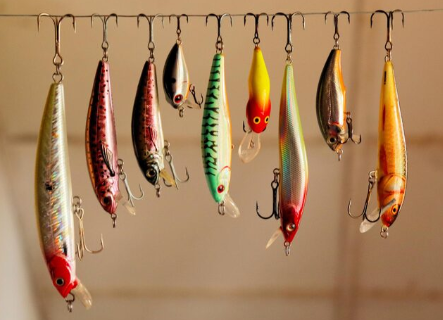
Entry Level Trout Lure Selections
Entry products should reduce hesitation and give the angler one clear way to start.
Visible Action Spoon Configurations
For entry anglers, visible action is a form of instruction. If the lure flashes and pulses during a steady retrieve, the customer can feel that something is happening even before the first strike. That confidence matters for repeat purchase, especially in stocked ponds and small reservoirs where new anglers need early feedback.
Spoons are easy to understand because the angler can see flash and feel vibration through the rod. The VIB LED Fish Eye Metal Spoon Bait provides strong visual and vibration cues for buyers building a lure wall with higher shelf visibility.
Floating Crankbait Triggers
The New Artificial Perch Bass Trout Floating Lighting Crankbait Fishing Lures With LED UV Stick provides immediate visual triggers for varied retrieve actions. It should be sold with a simple retrieve cue so beginners know how to start.
Retrieve Instruction Clarity
Entry packaging should explain one action: slow steady retrieve, stop-and-go, lift-and-fall, or shallow search. One clear instruction can turn an unsure first cast into a better experience, which helps the customer return for another lure.
Advanced Angler Assortment Strategies
Repeat customers need lures that solve specific water and season problems.
Deep Water Weight Presentations
Current speed changes the lure path more than many new buyers expect. A lure that looks active in still water may ride too high or sweep out of the strike zone in moving water. Heavier profiles help maintain depth and casting control, but they also require clearer packaging so beginners do not use them in shallow, delicate water.
The Luminous Lead Metal Jig Lure should be positioned for casting distance, deeper search, stronger current, or heavier presentations. Heavier lead profiles help the lure reach the strike zone before current pulls it away, but they should not be sold as tiny stream defaults.
Low Light Visibility Enhancements
Visibility features should be tied to a real water condition. Stained water reduces the distance at which trout can track a lure, while low light changes how flash and glow are perceived. LED or luminous elements can help create a stronger target, but only when depth, retrieve speed, and lure size still fit the fishing situation.
Glow, flash, UV, and LED triggers can improve visibility in stained water columns, low-light reservoirs, and deeper presentations. These features should be paired with water clarity notes. They are useful tools when visibility is the problem, not a universal substitute for action, depth, and retrieve control.
Seasonal Trigger Variations
Seasonal programs should change by water temperature, depth, pressure, and forage behavior. Retailers should connect those conditions to the lure role described in best fall fishing lures for bass in shallow and deep water, then verify whether the same depth and retrieve logic applies to their local trout waters.
Retail Lure Matrix Planning
A compact matrix keeps the order balanced between daily sellers and specialty products.
Core Inventory Baseline
The core baseline should cover three retail roles before specialty products are added: an easy-action spoon for first purchases, a simple hard bait for repeat customers, and one condition-specific option for deeper water, low light, or stronger current. The 7g, 10g, 15g, 20g, and 30g Luminous Lead Metal Jig Lure variants should be recorded separately by confirmed retrieve, depth, and current application rather than treated as one universal trout solution. Every baseline SKU should have a clear retrieve instruction, target condition, and reorder reason.
| Buyer goal | Suitable lure role | Retail note |
| First trout purchase | Simple spoon or easy hard bait | Easy retrieve and visible action |
| Repeat customer | Crankbait, VIB, or condition-specific lure | Match depth, clarity, and retrieve |
| Deeper search | Heavier jig or metal lure | Use for distance, current, or depth |
Visibility And Current Matching
Water visibility should guide both color and action. In clear water, too much flash can make a lure look unnatural when fish are pressured. In stained water, a stronger silhouette, vibration, or glow cue can help the lure stay noticeable. Current adds another layer: the lure must reach the right lane before the retrieve begins, or the angler is only fishing above active fish.
Clear shallow water usually rewards controlled action and natural presentation. Stained water, low light, and deeper reservoirs may need flash, glow, or heavier profiles. Fast current requires enough weight to hold the lure path long enough for a strike.
Novelty Product Boundaries
LED, UV, glow, and luminous features can attract attention, but a trout section still needs basic action logic. Retailers should avoid overstocking novelty items before proving local demand. A practical starting mix is a baseline of simple-retrieve spoons and hard baits, with specialized heavy or luminous products added after local water conditions justify them.
Wholesale Ordering Discipline
Fishing Lures Wholesale orders should turn local fishing conditions into shelf space.
Entry And Specialty Segmentation
Entry SKUs should be easier to explain and priced for low hesitation. Specialty SKUs can carry more specific depth, visibility, or weight logic. This separation prevents the most technical lure from being sold to the least experienced customer.
Local Water Testing
Testing should include more than one retrieve speed. A lure that looks right on a slow retrieve may roll out at higher speed, while a heavier lure may need a firmer rod to keep control. Retailers should ask staff or local anglers to record water clarity, current, depth, and retrieve style during the first sample run.
Trout behavior changes by pond, river, reservoir, season, and pressure. A retailer should test small lots before scaling. If heavier lures sell only in deep-water regions, they should not dominate a shallow-stream program.
Reorder Data Classification
A practical first order can keep most volume in simple spoons and easy hard baits, then reserve a smaller share for heavy, luminous, or specialty products. The exact split should follow local water depth and sell-through, but the principle stays the same: protect daily sellers before expanding novelty stock.
Track sales by lure role: beginner spoon, low-light trigger, deep search bait, or repeat-customer hard bait. Effective procurement starts with a reliable baseline of visible, simple-retrieve lures before adding heavier jigs and specialized triggers.
Retailers should also record why a lure sells. A spoon that moves because it is easy for children, a crankbait that sells after cloudy weekends, and a heavier jig that sells near deeper reservoirs should not be reordered under the same vague “trout lure” label. Better role-based notes make the next Fishing Lures Wholesale decision cleaner.
Conclusion
Retailers should buy trout lures in layers: a core baseline of simple entry products, condition-specific repeat products, and carefully positioned heavier options for deep water or stronger current. Record each SKU by water clarity, average depth, current speed, retrieve instruction, and customer level. Start with small lots, review sell-through by lure role, and expand novelty or heavier stock only when local demand and sample performance support the next order.
Contact
If your team is planning a trout lure line, seasonal tackle wall, or private-label Fishing Lures Wholesale order, send market, packaging, and quantity details through Laike’s contact page.
FAQ
What trout lures should a retailer stock first?
Start with easy-action spoons, simple hard baits, and a small number of condition-specific lures. Add heavier or novelty lures after local demand is clear.
Are heavier metal jigs good for all trout fishing?
No. Heavier jigs can work for distance, deeper water, or stronger current, but they should not be sold as the default for tiny streams or delicate presentations.
How should Fishing Lures Wholesale buyers reduce slow stock?
They should order by lure role, test small lots, separate entry and specialty SKUs, and track reorder data by water clarity, current, depth, and customer level.