
Beginners often look for Best Fishing Hooks after losing fish at the strike, bending a hook, or choosing a size that does not match the bait. The right hook is not just a small accessory. It decides whether the bait swims naturally, whether the point enters cleanly, and whether the fish stays pinned during the fight.
Laike supplies fishing tackle for retailers, online sellers, tackle kits, and fishing product buyers who need practical gear rather than random single items. Its range covers fishing hooks, jig heads, lures, rods, reels, lines, and accessories, with OEM and one-stop supply support. For a beginner article, Laike’s hook and jig products are useful because they show how hook type, material, weight, and lure action work together in real fishing conditions.
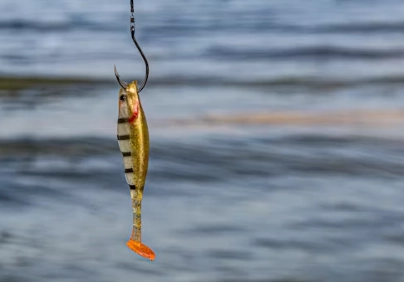
Why Do Beginners Miss Bites Even With a Fishing Hook?
Missed bites usually happen before the fish is fully hooked. The fish may touch the bait, inhale it weakly, or shake its head before the angler reacts. A better hook setup reduces these gaps.
Wrong Hook Size for the Bait
A hook that is too large can make small bait look stiff. A hook that is too small may not leave enough gap to catch the fish’s mouth. For fishing hook size for beginners, the simple rule is to match the hook gap to the bait body, not just the target fish. The point must stay exposed enough to penetrate.
Weak Hook Penetration at the Bite
A dull or poorly shaped point wastes the first strike. Beginners often pull harder to fix the problem, but force cannot replace sharpness. A clean hook point enters faster and needs less effort from the rod, line, and hand movement.
Poor Match Between Hook, Line, and Water Depth
Hook choice should match line strength and water depth. A light hook with heavy line may deform under pressure. A heavy jig head in shallow water may fall too fast and miss soft bites. This is why learning how to choose fishing hooks starts with the whole rig.
Which Fishing Hook Type Should Beginners Start With?
For beginners, the Best Fishing Hooks are the ones that make setup easier and reduce avoidable mistakes. Instead of buying every hook shape, start with a few practical types that cover soft bait, jigging, and visual attraction.
| Hook or Jig Type | Better Use Scenario | Buyer Note |
|---|---|---|
| Lead Jig Head | Soft bait, bottom contact, simple casting | Good for starter kits and mixed-size retail packs |
| Jigging Assist Hook | Stronger fish, vertical jigging, heavier setups | Useful where strength and shape stability matter |
| Skirted Jig | Visual attraction, squid or baitfish imitation | Suitable for lure sets and color-based displays |
Lead Jig Head Fishing Hooks for Soft Bait Control
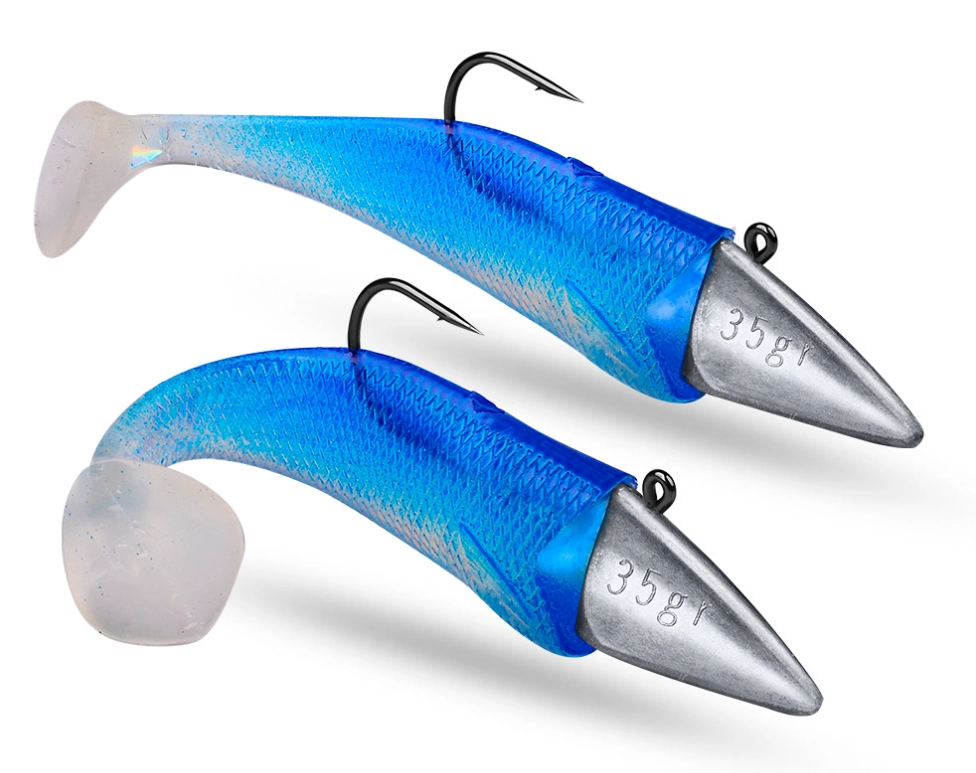
Lead Jig head Fishing hooks are useful for beginners because the weight and hook are built into one unit. This makes rigging soft bait easier. The jig head helps the lure fall, touch bottom, and move in a controlled path. For buyers building beginner lure kits, jig head hooks for soft bait are easier to explain and easier to sell than loose hook styles.
Strong Carbon Steel Jigging Assist Hooks for Stronger Fish
Strong Carbon Steel Jigging Assist Hooks fit heavier jigging use where the hook must resist pulling force and repeated impact. High carbon steel is chosen because the hook needs hardness at the point and enough toughness in the bend. For shops serving saltwater or stronger freshwater species, high carbon steel fishing hooks help reduce complaints linked to bending and poor holding power.
Octopus Squid Skirts Jig for Visual Attraction
Octopus Squid Skirts Jig is not only a hook product. It combines hook function with skirt movement. The skirt gives the lure a larger visual profile and adds motion in the water. This helps beginners who struggle to make plain bait look alive. It also suits retailers that want ready-to-use lure products instead of bare hook packs.
How Should You Match Hook Size to Fish, Bait, and Fishing Conditions?
A hook does not work alone. The same hook can perform well in one setup and fail in another. The buyer or angler should judge bait size, fish mouth shape, water depth, and fishing style together.
Smaller Hooks for Natural Bait Presentation
Small hooks help bait move more naturally, especially with smaller fish and light bites. The risk is weak holding power if the target fish has a larger mouth or a hard jaw. Beginners should avoid choosing the smallest hook only because it looks less visible.
Heavier Jig Heads for Bottom Contact
A heavier jig head helps the angler feel the bottom and keep the lure in the strike zone. This matters in deeper water or mild current. In shallow ponds or slow water, too much weight can make the lure drop too fast. For hooks for fewer missed bites, fall speed should match how actively the fish are feeding.
Larger Hook Gaps for Bigger Mouths and Soft Lures
Soft lures need enough hook gap because the bait body compresses during the strike. If the gap is too narrow, the lure blocks the point. A larger gap gives the point room to clear the bait and enter the fish’s mouth.
What Hook Features Help Reduce Lost Fish?
The Best Fishing Hooks do not rely on one feature. Shape, point, material, barb, and surface finish all affect the final result. For beginners, these details are more useful than fancy packaging.
High Carbon Steel for Strength and Shape Stability
Laike’s hook materials include high carbon steel and high carbon alloy options. This material direction is practical because hooks must keep their shape under sudden pulling force. A hook that opens slightly may still look usable, but it changes the angle of penetration and increases lost fish.
Chemical Sharpening for Faster Hooksets
Chemical sharpening creates a finer point than rough mechanical grinding. For beginners, this matters because their hookset timing is often not consistent. A sharper point gives more room for error, especially with soft strikes and light line.
Barb Design for Holding Power
Barbs help hold the fish after penetration. For barbed fishing hooks for beginners, the benefit is simple: less chance of the hook backing out during slack line or head shaking. The trade-off is that barbed hooks need proper handling and may not suit every local regulation.
How Can Beginners and Buyers Choose Hooks With Lower Long-Term Cost?
For buyers, cost is not only the unit price. A low-cost hook that bends, rusts quickly, or causes returns can cost more later. For anglers, the same logic applies through lost fish and wasted bait. The Best Fishing Hooks should fit the real use case.
A Practical Starter Hook Assortment
A beginner assortment should not contain too many similar hooks. A cleaner mix would include jig heads for soft baits, assist hooks for stronger fish, and skirted jigs for visual lure fishing. This covers common use without confusing new anglers.
Retail-Ready OEM Packing Options
For distributors and online sellers, OEM packing helps organize hook sizes, lure colors, and use scenarios by market. A starter pack can be built around fish type, water type, or lure method. This is easier for customers than reading a long specification list.
Laike Service, Volume Inquiry, and Contact Support
Laike can support buyers who need hook products, lure sets, mixed fishing tackle, or private-label packing. The useful step is to share target market, fish species, pack style, and expected order structure before confirming the product mix.
If you are unsure which hook styles fit your store, kit, or fishing project, prepare the target fish, water type, bait style, and packaging needs first. Laike can review these details and help narrow the selection. For product sheets, packing discussion, or mixed tackle planning, use the website contact page.
FAQ
Q: What are the Best Fishing Hooks for beginners?
A: The Best Fishing Hooks for beginners are easy to rig, sharp enough for clean penetration, and strong enough for the target fish. Lead jig heads, high carbon steel assist hooks, and skirted jigs cover many starter situations.
Q: Are jig head hooks for soft bait good for new anglers?
A: Yes. Jig head hooks for soft bait are simple to use because the weight and hook are combined. They help beginners control lure fall, bottom contact, and retrieve speed.
Q: How do I stop missing bites with fishing hooks?
A: Check hook size, sharpness, gap, bait fit, and line tension. Most missed bites come from poor matching, not from the fish being too difficult to catch.