
Many buyers ask the same question before building a rod and reel product line: should the money go into the rod or reel first? The wrong answer can lead to a setup that looks good in a catalog but feels poor in real use. A weak rod can make casting dull and tiring. A weak reel can cause rough retrieve, poor drag control, and line trouble. For retailers, distributors, and online sellers, the better decision is not about choosing the more expensive part. It is about matching the product to the fishing method, target user, and price level.
Laike supplies fishing rods, fishing reels, fishing lines, lures, hooks, tools, accessories, and fishing combos. The product range is useful for buyers who want to build a full tackle line instead of sourcing one item alone. For a rod or reel decision, this matters because buyers often need several setups for different users: light fishing, daily spinning, saltwater use, and beginner retail packs.
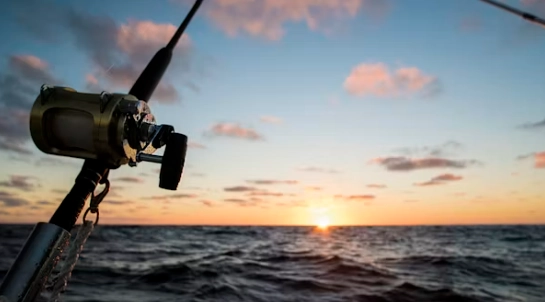
Should You Spend More on a Fishing Rod or Reel?
The search question “should I spend more on a fishing rod or reel” usually comes from people who want better performance but do not want to waste money. The answer depends on which part limits the user first. If the angler struggles with casting feel, bite response, or hand comfort, the rod should get more attention. If the problem is drag, retrieve, line control, or stronger fish, the reel becomes more important.
Spend More on the Rod for Casting Feel and Bite Control
The rod is the part the angler holds all day. If it feels heavy, slow, or uncomfortable, every cast feels harder. A better rod helps with lure control, bite feel, hook setting, and long-session comfort.
For light lure fishing, ice fishing, or everyday spinning use, the Cork handle fishing rod is a practical option. It uses a composite blend, a cork handle, and length options from 1.8m to 2.7m. The cork grip helps buyers who want steady hand feel, especially for users who cast often or fish in colder conditions. This rod is more suitable for light to medium-use setups. If the target market mainly needs heavy offshore gear, buyers should check the full setup carefully before pairing it with a stronger reel.
Spend More on the Reel for Drag and Fish Control
The reel matters more when the fishing condition gets harder. Saltwater, rocky shores, stronger fish, heavier line, and longer fights all put pressure on the reel. If the drag is not stable or the retrieve feels rough, even a good rod cannot solve the full problem.
For these cases, Big Game Spinning Fishing Reels are easier to recommend. The series covers sizes from 1000 to 7000, uses aluminum, copper, and nylon, and has 13+1 BB. Smaller sizes can suit lighter use, while larger 6000 and 7000 models fit stronger fishing conditions better. For light casual buyers, the largest sizes may be more than they need. For sea fishing, rock fishing, raft fishing, ice fishing, and stronger fish, reel control becomes a bigger part of the user experience.
Follow the Weakest Part of the Setup
A simple rule helps. Spend more on the rod when the buyer cares about casting comfort, lure control, and bite response. Spend more on the reel when the buyer needs stronger drag, smoother retrieve, and better control in saltwater or heavier fishing. For entry-level retail sets, avoid putting most of the budget into only one part. A balanced rod and reel setup is easier to sell, easier to explain, and less likely to create mismatch complaints after purchase.
Which Fishing Scenarios Need a Better Rod or Reel?
For buyers asking “fishing rod vs reel which is more important,” the answer changes by fishing style. A beginner, a light lure user, and a saltwater angler do not judge equipment the same way. The rod or reel decision should start from the fishing scene, not from the highest price tag.
Light Lure Fishing Needs Better Rod Response
For smaller lures and softer bites, the rod does much of the work. The angler needs to feel light contact, control lure movement, and cast without fighting the weight of the setup. In this case, spending more on the rod often gives a clearer benefit.
A rod and reel setup for beginners should feel easy first, not powerful first. A comfortable rod helps new users cast more steadily and notice bite feedback more clearly. This is why a cork handle rod with practical length choices can fit beginner and daily-use product lines.
Saltwater and Big Fish Use Need Better Reel Stability
For stronger fish or saltwater use, the reel becomes the safer place to spend more money. Drag control, line release, handle feel, and corrosion-resistant treatment affect whether the angler can keep pressure on the fish without losing control.
Big Game Spinning Fishing Reels fit this type of product planning because the size range gives buyers options for different user levels. A distributor can use smaller models for daily spinning sets and larger models for heavier fishing packs.
Beginner Sets Need Balance Before High Price
New users may not notice advanced rod action or reel structure at first, but they will notice if the setup feels too heavy, rough, or hard to control. For beginner retail packs, the rod or reel should not be selected in isolation. The two parts need to feel right together.
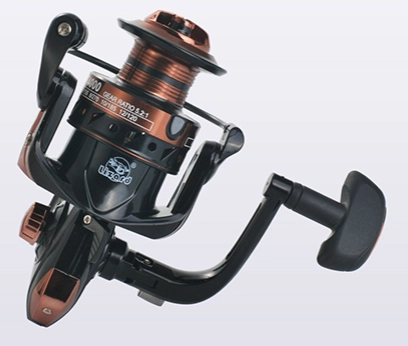
How to Match a Rod and Reel Without Wasting Budget?
Price alone is not enough. Buyers should check rod length, reel size, line capacity, hand comfort, and fishing method together. A setup may look strong on paper, but if the reel is too large for the rod, or the rod feels too heavy for the target user, the final product will be harder to sell and harder to use.
Match Reel Size to Rod Length and Target Fish
The question “how to match a rod and reel” should come before the final purchase. A smaller spinning reel usually fits lighter rods and shorter fishing sessions. A larger reel fits longer rods, heavier lines, and stronger fish. Laike’s reel range from 1000 to 7000 gives buyers enough size coverage to build light, medium, and heavier setups instead of forcing one reel into every scene.
For purchasing teams, model range matters because one size cannot cover every fishing scene. Buyers should group products by fishing method, target customer level, and expected retail price, instead of choosing only the model that looks more powerful.
Check Rod Action, Line Capacity, and Hand Comfort
A good setup should cast smoothly, retrieve cleanly, and feel manageable in hand. For lure fishing, the rod should feel responsive. For sea fishing, the reel needs stronger drag control and better resistance to wet conditions. For ice fishing or compact carry needs, rod length and handling matter more.
Buyers should also think about how the product will be explained to end users. If a salesperson cannot explain why a certain rod or reel fits a fishing scene, the set may be difficult to sell.
Common Matching Mistakes That Buyers Should Avoid
Many rod and reel complaints come from mismatch, not from one bad product. A reel that is too large can make a light rod feel unbalanced. A rod that is too soft may not work well with heavier lines or stronger fish. A reel with weak drag can hurt the user experience even if the rod feels good.
Buyers should also avoid building only one “general” setup for every customer. Light lure users, beginners, and saltwater anglers need different combinations. Clear grouping before purchase helps reduce slow-moving stock and after-sale questions.
| Product Line Goal | Rod Priority | Reel Priority | Suggested Laike Match |
|---|---|---|---|
| Entry-Level Daily Fishing Set | Easy handling and comfortable grip | Smooth basic retrieve | Cork handle fishing rod with smaller spinning reel size |
| Light Lure Fishing Setup | Better bite feel and casting control | Light reel weight and clean line control | Cork handle fishing rod with 1000–3000 reel size |
| Saltwater or Rock Fishing Setup | Stronger rod support and stable grip | Stronger drag and corrosion-resistant treatment | Cork handle fishing rod with larger Big Game Spinning Fishing Reels model |
| Retail Product Ladder | Different rod lengths for user levels | Reel sizes from light to stronger use | Multiple rod and reel combinations by price tier |
Is a Rod and Reel Combo Better Than Buying Separately?
The phrase “rod and reel combo vs separate” is common because buyers want fewer mistakes. A combo can reduce matching work, but separate buying gives more control over product positioning.
Combo Buying Reduces Matching Mistakes
For beginners, a combo can make the buying process easier. The buyer does not need to compare rod length, reel size, line capacity, and use scenario from zero. This works well for entry-level retail packs, seasonal promotions, and gift-oriented product lines.
Separate Buying Gives More Control
For serious anglers or B2B buyers building product tiers, separate buying is often more flexible. You can pair the Cork handle fishing rod with the reel size that fits the target use. A lighter reel can match casual fishing. A larger Big Game Spinning Fishing Reels model can support heavier use.
B2B Buyers Can Build Product Tiers
A useful product range may include beginner sets, daily-use spinning setups, and heavier saltwater options. Laike’s rod, reel, and fishing combo categories can support this kind of product planning. Instead of asking only rod or reel, buyers can build a clear product ladder for different customers.
When Should Buyers Choose Laike for Rod and Reel Sourcing?
Choose Laike when you need practical matching options rather than one isolated product. The Cork handle fishing rod works well for buyers who need comfort, casting control, and multiple length choices. Big Game Spinning Fishing Reels suit buyers who need reel sizes for light to stronger fishing conditions, with smooth operation and drag control as key selling points.
For procurement teams, the main value is range planning. You can build setups by user level, fishing method, and budget. That is more useful than choosing rod or reel based only on price.
If your product list needs clearer rod length matching, reel size selection, packaging details, or OEM discussion, prepare the target fish, fishing method, market level, and expected order structure before you contact Laike. Clear details help both sides choose the right models, avoid mismatched stock, and build rod and reel sets that are easier to explain to end users.
FAQ
Q: Should I spend more on a fishing rod or reel?
A: Spend more on the rod if your main need is casting feel, lure control, and bite response. Spend more on the reel if you fish stronger fish, saltwater areas, or heavier lines. For most buyers, the safer answer is to balance both instead of overspending on only one part.
Q: How do I choose a rod and reel setup for beginners?
A: Start with a comfortable rod, a reel size that matches the rod length, and a setup that is not too heavy. Beginners usually benefit from gear that casts easily and retrieves smoothly. Do not choose only by the lowest price or the biggest reel size.
Q: Is it better to buy a rod and reel combo or buy them separately?
A: A combo is easier for beginners and retail packs because it reduces matching mistakes. Buying separately is better if you need a specific rod length, reel size, drag level, or fishing method fit. For B2B sourcing, both options can work if the product line is planned clearly.