
The thrill of energy hits when a hunter grabs your bait. This pulls folks back to the lake over and over. Still, for new folks, that joy shifts to annoyance fast. The string breaks or the barb slips out. Knowing how to Reel in a Fish like an expert goes beyond plain power. It calls for a careful mix of science, moment, and proper tools. Whether facing a tough bass in a nearby pool or a huge ocean prize, getting the “struggle” right sets apart a winning fisher from one who leaves with just a tale of “the big one that escaped.”
If folks aim to improve their kit, Laike stands as a reliable ally. With more than ten years of solid skill in the bait field, the firm moved from a top OEM leader to a name that brings “tough value for money” straight to buyers. Based in Weihai—the core of world fishing tool making—they tap into a web of over 200 focused plants. This ensures each pole and winder hits expert levels. The group does more than offer gear. It supplies design-based answers that already aided clients in over 31 lands.
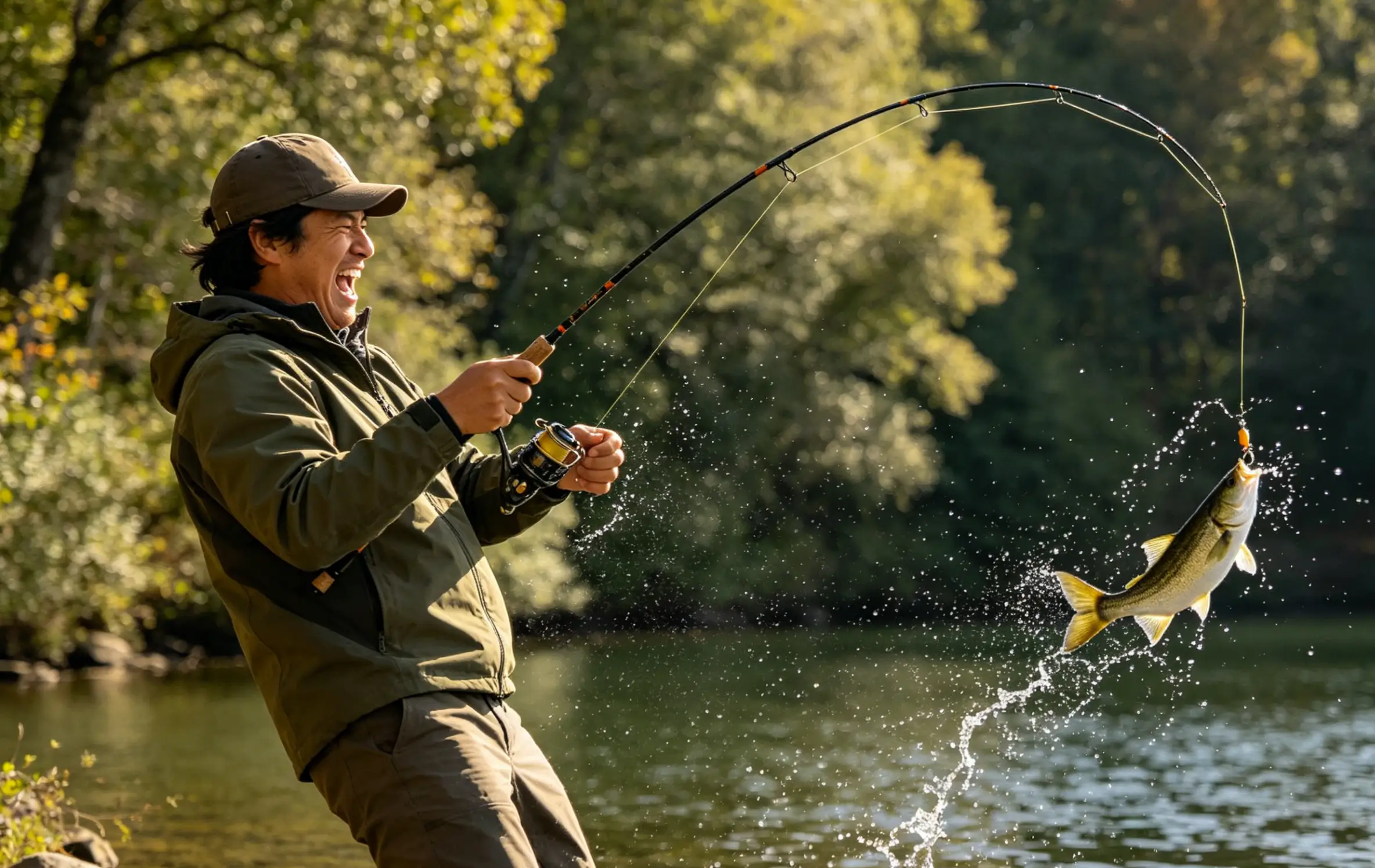
Are You Making These Common Mistakes When Trying to Reel in a Fish?
Reeling while the drag is screaming
One usual slip happens when turning the crank keeps going as a fish pulls string. When the winders drag “screams,” the bob spins back to stop the string from snapping. If reeling goes on in this stage, it just twists the string. That weakens it a lot and causes a “bird’s nest” down the line. This spot often starts common mistakes when reeling in a fish. The extra rub can break even strong front lines.
Yanking the rod instead of pumping
Lots of new fishers try to claim the win by hauling back with full force. Sharp pulls make quick jumps in pull that rip the barb from the fish’s jaw. Expert fishing turns to the “pump and reel” way. The rod’s core pulls the fish closer. Then, as the tip drops, the slack gets wound in.
Using weak or blunt hooks for the strike
A struggle often ends before it starts if the barb won’t dig in deep. Picking dull or soft hooks that fold under load marks a key error. If the barb point lacks edge to cut the jaw in a flash, the fish shakes free on the first leap.
Discover the Best Way to Reel in a Fish
Maintaining steady tension with quality reels
The best way to reel in a fish means holding even, managed pull. A solid Tolling Fishing Reel proves key here. These winders hold exact gear setups for a “zero-notch” sense. That lets for smooth pull-back even with big weight. The carbon stop setup makes the shift from still bob to moving fish smooth. It avoids sharp breaks seen in low-cost, bumpy stop systems.
| Feature | Standard Spinning Reel | High-Performance Tolling Reel |
| Brake Material | Felt/Plastic Washers | Multi-Disc Carbon Fiber |
| Gear Precision | Standard Casting | Precision Cold-Forged |
| Durability | Moderate | High (Saltwater Resistant) |
Mastering the pump and reel technique
To pull off the pump right, a pole that blends “thin build” with “strong hold” becomes vital. A portable carbon telescopic fishing rod serves as the top pick for this. Built from thick 40T carbon weave, it gives the bend needed to flex easy. Its snap-back power draws the fish up. Since it folds, it brings easy carry without losing the core strength to deal with surprise large catches.
Securing the catch with high-carbon hooks
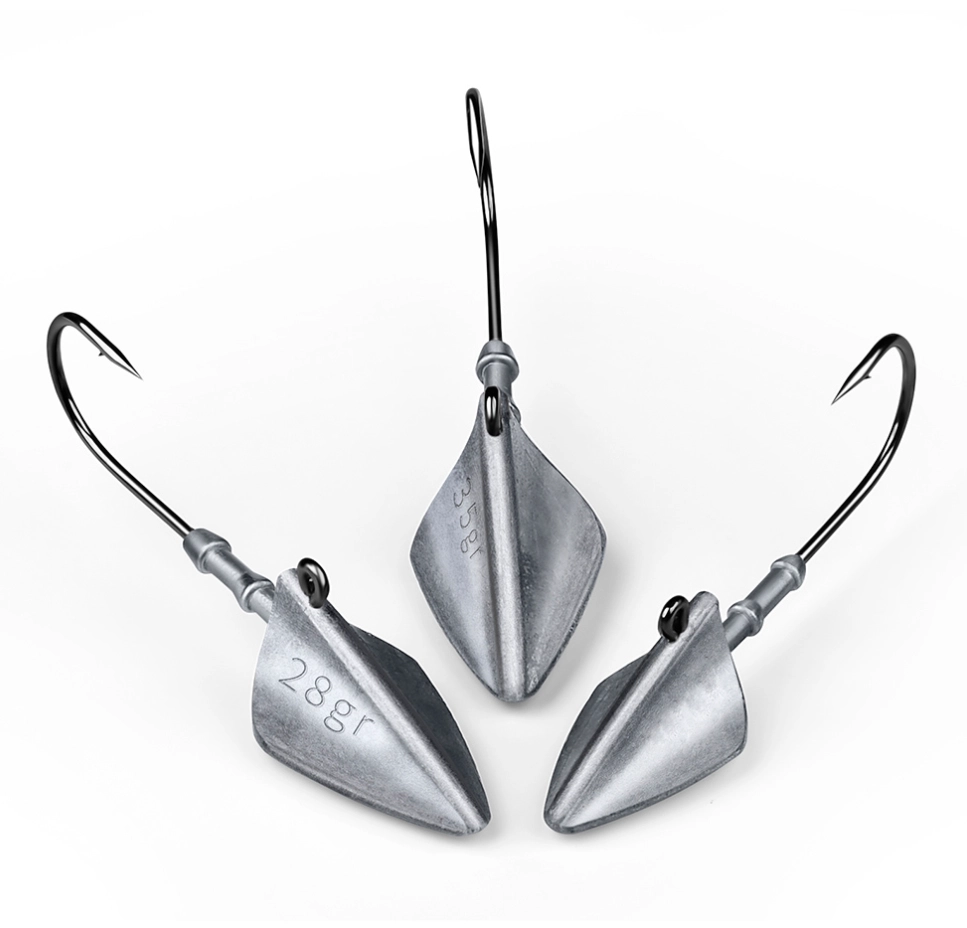
After hooking a fish, the goal stays to keep it caught. This needs Lead Jig head Fishing hooks formed from high-carbon mix. These barbs get chemical sharpening for instant jaw cut. The built-in lead top adds the mass for true throws and steady balance point. That proves vital when trying to Reel in a Fish past dense plants or tricky under-water forms.
Techniques to Reel in a Big Fish Effectively
Controlling the run in deep water
When handling techniques to reel in a big fish, waiting stands as the top strength. Big types like black carp or sea bass make strong “dashes” to deep spots. Rather than push against the dash, the rod’s flex wears the fish down. The layered woven carbon in pro poles aims to boost hold. It lets the pole take the hit of a quick power burst without cracking.
Implementing the bottom-jump search method
To land big fish, reaching the floor often proves needed. A jig top setup lets mimic the slow creep of crawfish—a top cold-season bite for large bass. By “hopping” the bait from the base, it makes a shake that sparks a hunter grab. This way calls for a keen pole end that sends the light “tap” of a nibble along the string to the hand.
Essential How to Reel in a Fish with a Spinning Reel Tips
Navigating obstacles during the retrieval
To grasp how to reel in a fish with a spinning reel, handling the surroundings matters most. Spinning winders shine for far throws but risk string knots if not managed well. When pulling through reefs or sunk branches, hold the pole end up high. This shifts the string angle. As a result, the bait slides over blocks instead of catching on them.
How to reel in a fish without breaking line through flexibility
The trick to how to reel in a fish without breaking line often rests in the pick of fishing string. Firm nylon strings bring good flex, working as a buffer in the first grab. Unlike woven strings with no give, nylon permits a bit of “yield.” This stops the barb from ripping free during heavy pulls.
| Line Type | Elongation (Stretch) | Abrasion Resistance | Best Use Case |
| Braided Line | 1% – 3% | Moderate | Deep water/Sensitivity |
| Nylon Monofilament | 20% – 30% | High | General use/Shock absorption |
| Fluorocarbon | 5% – 10% | Very High | Clear water/Leader material |
Tailored Support for Your Procurement Projects
Facing uneven tool work or high drop rates in the current bait supply? A full Product Testing Report, Customized Branding Design Templates, and Regional Market Trend Analysis can help gain a market lead. For one-on-one tech talks or exact design tips on OEM making, support waits ready. Just share project details with the team. A fix matched to needs will follow. Please contact us to kick off the project chat now.
FAQ
Q: What is the most effective way to reel in a fish without tangling the line?
A: The main point rests in skipping the reel when the stop works and spooling the string with pull. A winder with a double-curve ring arc keeps the string in the slot right. This avoids pile-ups.
Q: How do I know if my drag is set correctly for a big fish?
A: A basic guide sets the stop at 25-30% of the string’s snap point. This lets the fish take string before pull hits a break level.
Q: Why should I choose carbon fiber over fiberglass for my fishing rod?
A: Carbon fiber brings a far better power-to-mass rate and stronger feel. It lets detect light shakes of a nibble lost in a thick, slow fiberglass pole.