
Shore jigging is not just about casting a heavy metal jig as far as possible. The rod has to load properly, the reel has to release line smoothly, and the leader has to survive rocks, current, waves, and sudden fish runs. If one part is wrong, the whole setup feels wrong.
For wholesale buyers, this becomes a product risk. A shore jigging rod and reel setup may look strong in photos, but customers will judge it by casting distance, drag smoothness, lure weight range, and saltwater durability. This guide explains how to choose a carbon rod and reel for heavy shore jigging, with practical points for product matching, sample checking, and OEM/ODM orders.
Laike supplies fishing rods, reels, lures, lines, hooks, accessories, and OEM/ODM fishing tackle products for global buyers, helping buyers build a more complete shore fishing product line.
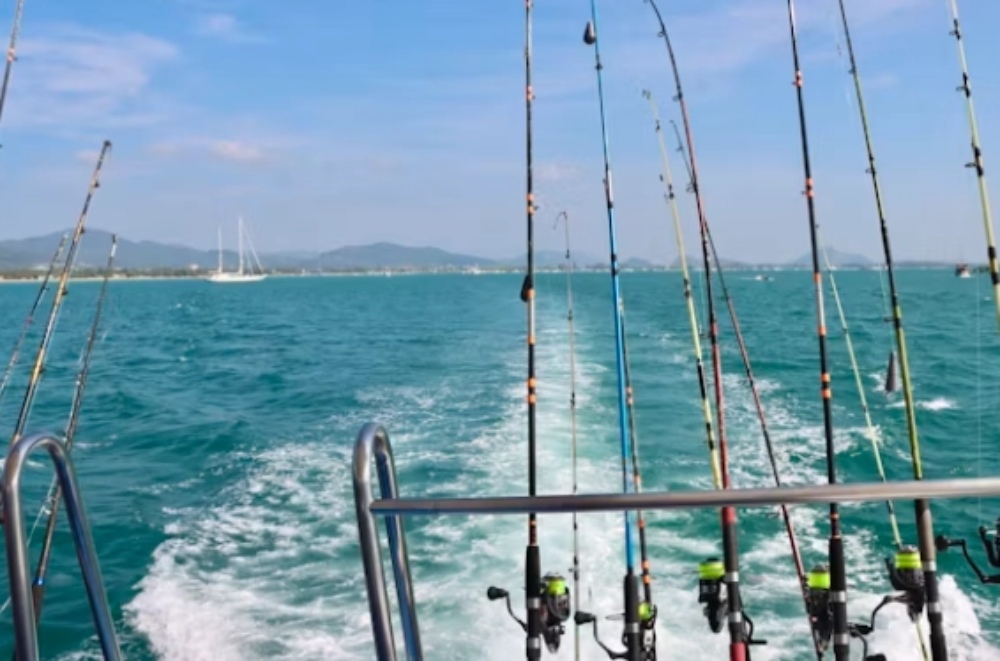
Why Does Shore Jigging Gear Need Careful Matching?
Heavy Casting Creates Real Pressure
Shore jigging is harder on gear than casual pier fishing. Anglers cast repeatedly, often with 40g, 60g, 80g, or heavier metal lures. They also fight fish from a fixed position, sometimes near reef, rocks, current, and waves.
Most failures come from mismatch. A rod may be too soft for the lure weight. A reel may not hold enough line. A leader may not handle abrasion. A lure may sink too fast or drift away before reaching the right layer. For buyers, the goal is not to choose the strongest-looking product, but to match the full system correctly.
Setup Matching Table for Buyers
A good shore jigging setup should match fishing condition, rod power, reel capacity, and lure weight.
| Fishing Condition | Rod Choice | Reel Choice | Lure Weight Focus | Buyer Checkpoint |
|---|---|---|---|---|
| Sandy beach or pier | Medium to Medium-Heavy carbon rod | Saltwater spinning reel with smooth line lay | 20g–40g | Easy casting and entry-level market fit |
| Rocky shore or reef | Medium-Heavy to Heavy carbon rod | Larger spool and stronger drag | 40g–80g | Abrasion resistance and guide strength |
| Deep water or strong current | Heavy carbon rod with Fast or Medium-Fast action | Higher line capacity and stable gears | 60g–100g+ | Drag smoothness and fatigue control |
| Mixed wholesale market | Two or three rod powers | Matched reel sizes by lure range | 20g–100g | Packaging, MOQ, and reorder stability |
What Makes the Best Carbon Rod for Shore Jigging?
Carbon Fiber vs Fiberglass Fishing Rods
The best carbon rod for shore jigging should match lure weight, target fish, casting distance, and shoreline structure.
Fiberglass is tough and usually more affordable, but it is heavier and less sensitive. Carbon fiber is lighter and gives clearer feedback. Anglers can feel lure movement, bottom contact, and light hits more easily. For heavy shore jigging, carbon fiber is usually the better choice when the target market accepts the price.
Rod Length, Power, and Handle Choice
Most of the shore jigging rods are around 9 to 11 feet. Longer rods help cast farther and keep a better line angle around waves and rocks. Medium-Heavy to Heavy power is more suitable for heavier jigs and stronger fish. Fast or Medium-Fast action is often easier to use because the tip can work the lure while the lower blank keeps pressure during the fight.
Grip material also matters. Cork feels comfortable but can dent or wear faster on rocks and concrete. High-density EVA is practical for shore fishing because it is light, grippy, and easier to maintain after saltwater use. Carbon handles can fit higher-end product lines, but they raise the price.
For wholesale orders, buyers should confirm rod length, power, action, lure weight range, guide quality, reel seat stability, and handle material before approving samples.
For buyers who need easier storage and transport, Laike’s portable carbon telescopic fishing rod can be introduced as a practical option. It is useful for anglers who walk across rocks, slopes, or narrow shore paths before reaching the fishing spot. For wholesale buyers, this type of rod also helps with shipping, shelf display, and mixed outdoor product lines.
How Should Buyers Choose a Heavy Shore Jigging Spinning Reel?
Drag Smoothness and Gear Stability
A heavy shore jigging spinning reel should be judged by drag smoothness, spool capacity, body rigidity, line lay, and saltwater resistance.
Spinning reels are popular for shore jigging because they are easier to cast, more beginner-friendly, and suitable for long-distance casting. Drag smoothness is very important. When a fish hits a jig, the impact can be sudden. A rough drag can break line or pull hooks loose. Gear stability also matters. A rigid reel body helps keep the gear system aligned under pressure.
Spool Capacity and Saltwater Resistance
Spool capacity must match the fishing scene. A shallow spool may work for light pier fishing, but it is risky for deep water, current, and larger fish. Even line lay also helps reduce wind knots and keeps casting distance more stable.
Saltwater resistance should be checked before bulk orders. Reels, hooks, split rings, and guides need suitable surface treatment or corrosion-resistant materials. Buyers should also check whether the reel is easy to rinse and maintain after use.
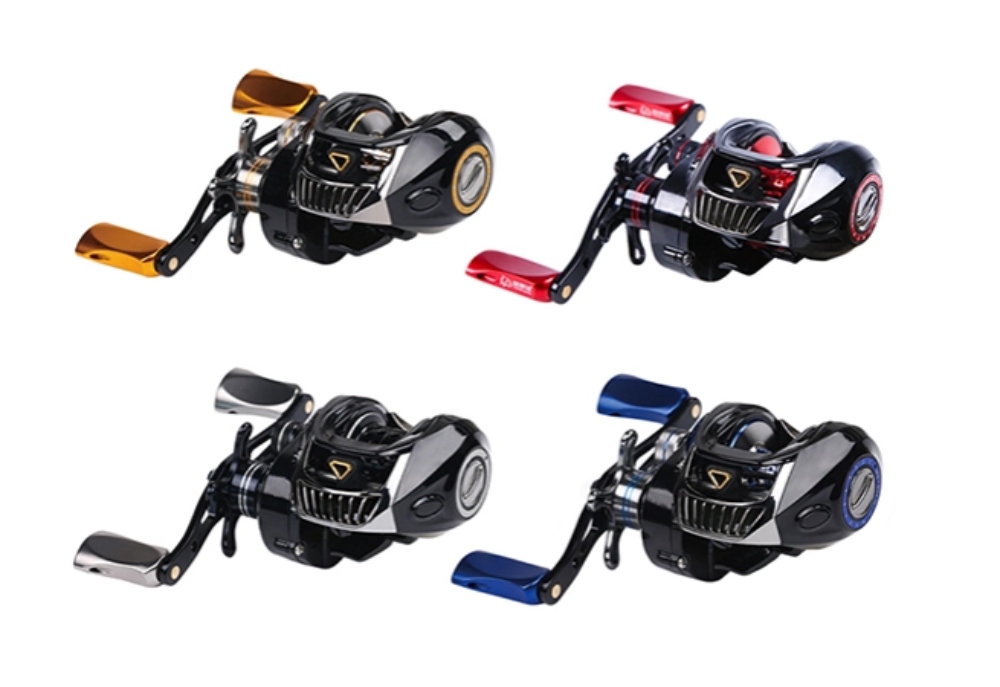
For buyers whose markets prefer baitcasting control, Laike’s Flat Metal Spool Saltwater Baitcasting Reels can be added as another reel option. This reel is more suitable for users who care about fast line pickup, casting control, and a stronger saltwater-style reel body.
How to Select Shore Jigging Lure Weight
Match Lure Weight with Water Conditions
When choosing the correct weight of lure for shore jigging it is important to take into account the depth of the water, the speed of the current, the wind and the feeding depth of the species of fish you are targeting. A lure too light will drift away from you before reaching the depth that it is likely to be feeding at. A lure that is too heavy may sink too quickly and lose its natural falling action.
For calm beaches or piers a lighter jig weight of 20g to 40g is preferred. For shore fishing over rocky areas or with strong currents a weight of 40g to 80g is more suitable. For deep reefs or areas with very strong currents a weight of 60g to 100g or more may be required and must be matched with a suitable rod and reel.
Match Line, Leader, Hooks, and VIB Lures
Metal VIB lures can also work well in shore fishing. They cast far, sink fast, and create strong vibration. They are useful when anglers need to search wider water or deeper layers. However, buyers should explain that fast-sinking lures may hang up more easily in rough bottom areas.
Braided mainline casts far and gives clear feedback, but a nylon leader is still useful around rocks and reef. Nylon can absorb shock and resist abrasion. Strong hooks, suitable split rings, and corrosion-resistant parts make the whole setup more reliable.
What Should Wholesale Buyers Confirm Before Ordering?
Sample Testing Points
Before confirming a bulk shore jigging order, buyers should test repeated casting with the target lure weight, drag smoothness under steady pull, guide friction with braided line, reel seat tightness, handle grip when wet, and leader abrasion near rough surfaces. Product labels should also show rod length, power, action, lure weight range, line recommendation, and basic saltwater care.
OEM, ODM, and Market Fit
OEM and ODM work must be focused on the target market. For example, experienced coastal anglers will require heavier fishing rods and reels plus heavier lures. Beginners on the other hand will require lighter fishing gear, simpler packaging and more user friendly instruction on how to use the gear.
A practical shore jigging product range could consist of 1 light rod, 1 heavy rod, 2 reels, a selection of nylon leaders and a bag of metal jigs or a selection of VIB lures.
Final Recommendation
Best Setup for Heavy Shore Jigging Buyers
For the majority of wholesale buyers who are targeting heavy shore jigging, a more appropriate setup would consist of a 9-11ft Medium-Heavy to Heavy action carbon rod, a smooth drag equipped saltwater spinning reel with sufficient line capacity, braid for the main line and a nylon leader for abrasion resistance.
This setup is suitable for buyers selling to anglers who fish from rocky shorelines, deep reefs, breakwaters, and current areas. It is not the best choice for very light pier fishing, small freshwater lure fishing, or price-only beginner kits. If the target market mainly uses 20g lures in calm water, a lighter rod and smaller reel will be easier to sell. If the market uses 60g to 100g jigs, the buyer should not reduce rod power or reel capacity just to lower cost.
Before placing a large order for fishing lures, you should verify the weight range of lures, the action of the rod, the smoothness of the reel’s drag, the capacity of the spool, the comfort of the handle, whether or not the main components of the product are corrosion-resistant, details about packaging, and the results of any sample tests that have been conducted.
Contact Laike for Setup Matching
For carbon rods, spinning reels, or VIB lures for a shore jigging product line, share your target market, expected lure weight range, and order quantity with the Laike team through the contact page. The team can help match rod power, reel capacity, line strength, lure type, and OEM packaging details before you confirm samples or bulk production.
FAQ
Q: How do I choose a heavy shore jigging spinning reel?
A: To pick a good heavy shore jigging spinning reel for appearances sake is not wise. Look at drag smoothness, spool capacity, line lay, gear stability, and saltwater resistance. These are more important than looks.
Q: Carbon fiber vs fiberglass fishing rods, which is better?
A: Carbon fiber rods are light weight and very sensitive. Fiberglass rods are strong and usually even cheaper but heavy. In heavy shore jigging carbon fiber is preferred when the market is willing to pay the price for it.
Q: How do I select shore jigging lure weight?
A: How to pick the correct weight for your shore jigging lure. Depth, current, wind & fish behavior. Use light jigs for shallow & calm water, heavy jigs for deep water or very strong current.
Q: What is a good shore jigging rod and reel setup?
A: A good shore jigging rod and reel setup includes a carbon rod matched to the lure weight, a saltwater spinning reel, braided mainline, a nylon leader, and metal jigs or VIB lures suited to depth and current.
Q: What is the best carbon rod for shore jigging?
A: The best carbon rod for shore jigging should match lure weight, target fish, and shoreline structure. For heavy shore use, a 9-11ft Medium-Heavy or Heavy carbon rod with Fast or Medium-Fast action is usually more suitable.