Fly casting feels like an art. It mixes accuracy, steady rhythm, and good timing. This sets skilled anglers apart from new ones. Even pros sometimes find it hard to stay steady. The key is not just smooth moves. It’s also picking the best tools. New stuff like carbon fiber has changed rods a lot. It gives better power flow and more grip.
If you want top tools and solid help, Laike is a solid choice. They make fishing gear with over ten years in the game. Tianjin Laike Co., Ltd focuses on rods, reels, lures, and extras. They offer more than 500 kinds. These go to over 20 countries. Their about page shows their focus on good quality. They provide full buying help for small or big orders. You can get custom work or fast shipping. Their services cover everything from talks to big runs. Check their contact page to reach the team.
Why Is Fly Rod Casting Challenging for Many Anglers?
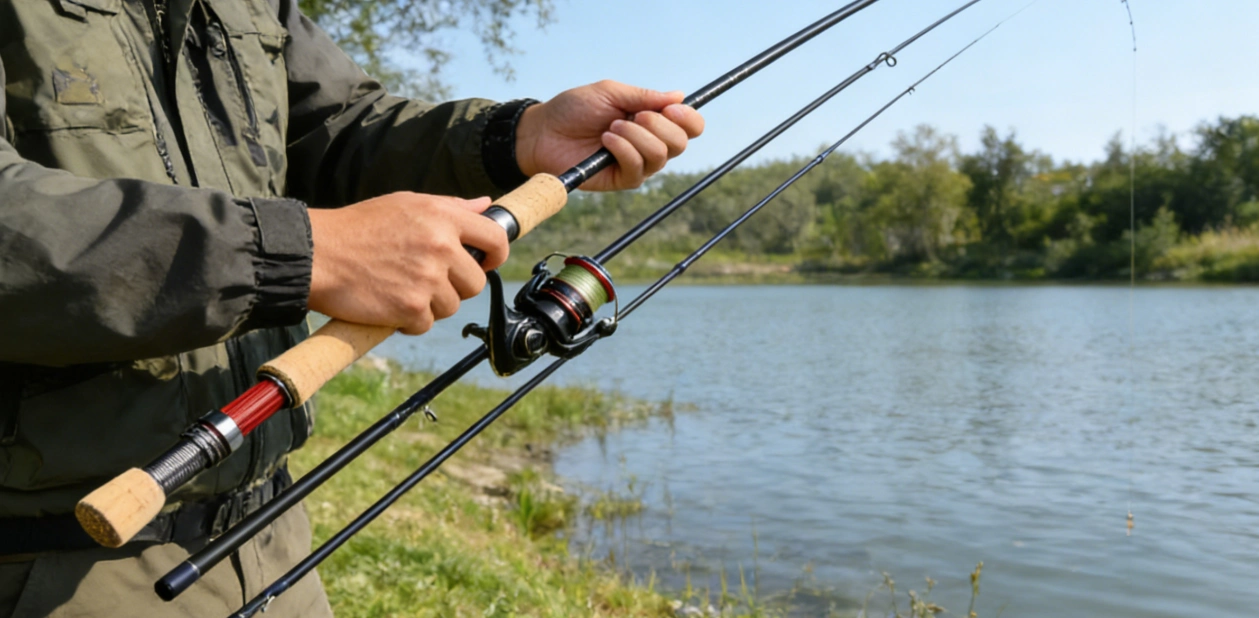
Casting a fly rod takes more than muscle. It’s about timing, teamwork between hand and eye, and a feel for the line. Lots of anglers hit snags. That’s because fly lines act unlike regular setups. The lure doesn’t pull the cast. Instead, the line itself pushes forward.
Understanding Casting Mechanics
The cast starts with steady speed-up. Then comes a sharp pause. This loads the rod tip. After that, it lets go of power ahead. A rod built from dense carbon fiber boosts this. It holds and gives back energy well. Tough fishing spots don’t scare it. This setup gives exact control in breezy weather or close spots. Old fiberglass rods often miss this edge.
Common Mistakes in Fly Rod Casting
Many folks mess up by snapping their wrist too soon. Or they push power in fits and starts on the forward pull. These slip-ups make loops fall apart. Lines get knotted in the air. Putting heavy lines on light rods can mess things up too. Pair the line weight right with the rod specs. That stops the off-balance feel.
The Impact of Equipment on Casting
Your gear shapes how your skills show up. Carbon fiber fishing rods use woven carbon cloth. The same size rod gets more power. A light build cuts down on tiredness from many throws. It keeps a good sense for line pull. That’s key when spotting small bites on dry flies or nymphs. I recall a trip on a windy lake where a cheap rod just flopped, but a carbon one held steady—real game-changer.
How Can Technique Improvement Enhance Your Fly Casting?
Top gear alone won’t cut it. Better skills sharpen your hold on reach and aim. Small tweaks, like how tight you grip or the loop’s form, lead to smooth drops. These lure fish without scaring them off.
Mastering the Basics of Fly Casting
Begin with straight paths. The back cast and forward one should line up in one flat line. This keeps loops neat. It stops side winds from twisting the path. Try roll casts or low-side throws. They help with trees or steep banks on little streams. Practice on grass first; it’s easier to see mistakes there.
Advanced Techniques for Precision and Control
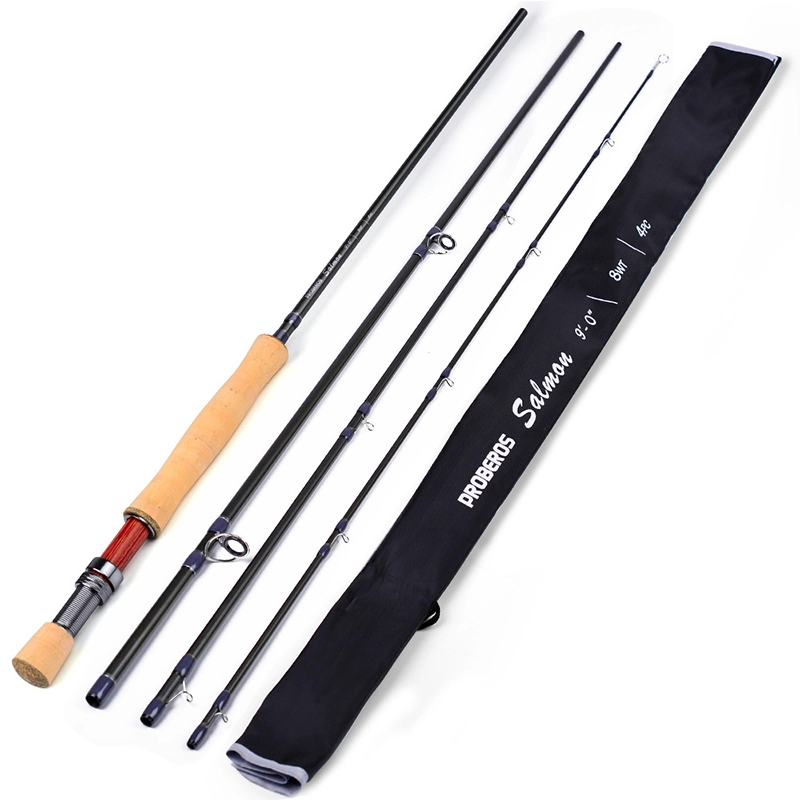
When basics feel solid, try double hauls. They speed up the line without more work. High-modulus carbon rods react fast to quick pulls. Their bounce-back is quick. That’s a big plus in rods like the Carbon Fly Fishing Rod. It uses dense carbon fiber for strong yet light build. Anti-twist tech keeps casts straight without wobbles. You can place flies soft even over rough river spots.
The Role of Practice in Perfecting Casting Skills
You build steadiness by doing it again and again in different spots. Quiet mornings help with beat. Gusty days check your hold. Set markers on the yard to see loop shapes. Then take it to water, where pulls make things trickier. Aim for 20 minutes daily; that’s what got me from sloppy to smooth after a few weeks.
What Is the Importance of Choosing the Right Fly Rod?
Picking the fit rod turns hassle into fun. It matches your style and the fish’s ways. The build material matters a ton. Carbon fiber wins for its mix of firm and bendy feel.
Benefits of Using a Carbon Fly Fishing Rod
Laike’s Carbon Fly Fishing Rod steps up with carbon cross tech for even power. The 9ft four-piece setup packs easy. It doesn’t lose strong core. Great for trout streams or flat shores. The AAA-grade cork handle feels good for long days. Ceramic guide rings cut drag on far throws. These help when aim counts big.
Comparing Different Materials and Their Impact on Performance
Fiberglass rods forgive errors but weigh more. Graphite ones sense well but can snap under push. Carbon mixes the best parts. It’s light but tough. You can fix line drifts without arm wear after hours. A carbon rod is light, foldable, simple to tote, strong, and stretches well. These make it a go-to for fly fishers who need trust in any spot.
Tailoring Rod Selection to Fishing Conditions
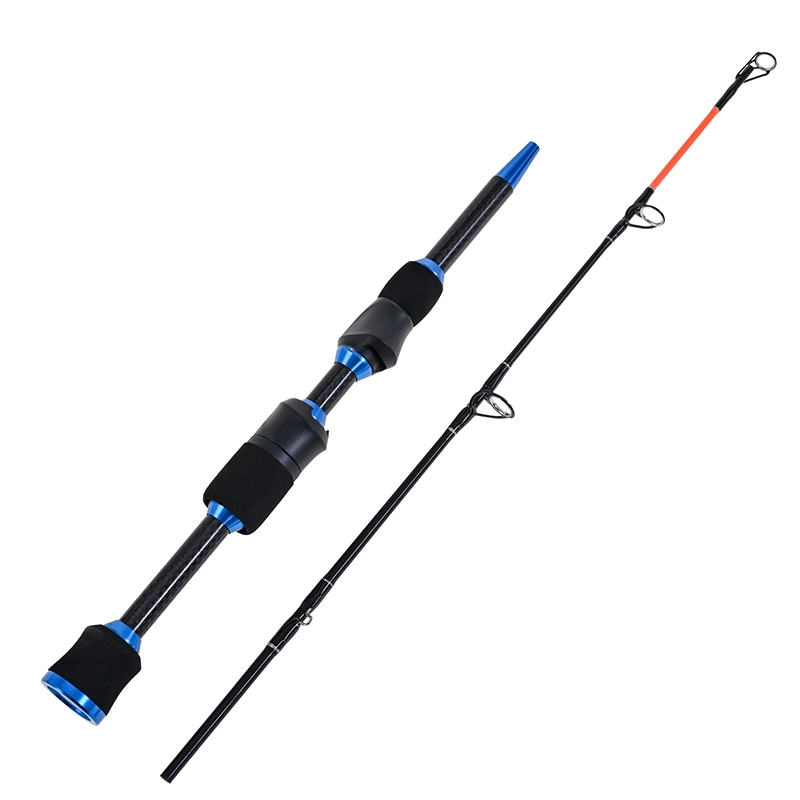
Short rods fit tight creeks that need fast moves. Long ones shine on big lakes where far throws win. For winter fun, team skills with tools like the Carbon Ice Fishing Rod. It’s made for cold hold. The two-part 68cm rod tips at 77g. Metal guides last long.
How Does the Right Equipment Influence Your Casting Success?
Good-matched gear eases body strain. It boosts power pass in each throw. That’s vital for hundreds of repeats on a trip. Light rods with slick reels make the pair work smooth.
Evaluating the Features of Carbon Ice Fishing Rods
Regular rods get stiff in cold air. But good ice ones stay bendy. They use special resin over carbon hearts. The carbon cloth weaves tight for extra grit. This sets hooks sure even with line shifts under ice.
Importance of Balancing Rod Weight and Flexibility
A off-kilter setup makes you adjust wrong. Loops twist, wrists tire fast. Match reel weight to rod bend. It keeps balance in the swing. The rod’s give helps control throws. It puts bait right on spot. This boosts bite feel and cuts fake pulls from loose lines.
Customizing Your Gear for Optimal Performance
Tailor for ease. EVA foam handles soak shocks. Cork ones give better touch. EVA handle is light, grips well, lasts, and cleans easy. Little changes add up to big stays in power on long trips. You notice at dusk when light dims over waves. Seasoned folks get this after years facing river flows.
What Are the Key Environmental Factors Affecting Casting?
Success in casting ties to spotting outside signs. Heat changes air thickness. Wind way sets loop tweaks. Sun shine messes sight on line paths.
Understanding Weather Conditions and Their Effects
Warm spells make lines soft. They droop in air. Cold bites harden covers. That cuts throw length. Carbon rods handle strong winds. You cast true and group lines as needed. Change your pull speed to match. It keeps the turn steady no matter the air shifts.
Adjusting Techniques for Different Water Bodies
Quick rivers need small loops against pull. Calm ponds like big curves for soft lands. No splash to spook fish. The thin, touchy rod tip boosts feel. It makes tiny fish hunts fun.
Adapting to Varying Wind Patterns
Side winds test path hold. But smart wrist set with heavy tips steadies the fly. It stops early opens before the drop hits the mark.
How Can Laike’s Products Enhance Your Fly Fishing Experience?
Solid tools fill skill holes. You think just on beat, not gear fails. Laike gives wide picks from size changes to grip tweaks. They back it with hard tests on bend and load.
Exploring the Advantages of Laike’s Carbon Fly Fishing Rods
The main model has anti-twist bars. No spin in fights. It stays straight for salmon pushes or bass under plants. Ceramic rings slide easy. Less rub. Snake guides spread power even. Fewer knots on breezy banks.
Innovative Features That Set Laike’s Products Apart
Matte black coats cut shine over clear water. Four-piece packs light for trips between far spots. They think of daily use past shop plans.
Leveraging Laike’s Expertise for Superior Casting Results
Years tuning rod curves give sure bend lines. Your muscle know-how turns to steady loops. Pros like this in contests around the world.
Where to Access Expert Support and Resources for Fly Fishing?
Keep learning to hold skill after first lessons. Expert groups speed up changes to new ways. Peers share global tips.
Utilizing Laike’s Customer Services for Guidance
Their quick help team gives one-to-one talks. They guide picks for your local waters. No wrong match between your goals and tools.
Engaging with Online Communities and Forums
Web spots hold swaps on small tips. Like setting leader length to wind speed. Field pros test these daily. Books skip them.
Continuous Learning Through Workshops and Training Sessions
Join hands-on classes for touch know-how. You can’t get that from books. Do-overs with guides lock in quick moves. It turns hobby fishers to sure casters for wild nature tricks each time out.
FAQ
Q1: What makes carbon fly rods superior for casting accuracy?
A: Their high modulus structure stores energy efficiently producing tighter loops with less effort compared traditional fiberglass designs.
Q2: How often should a fly angler replace their line?
A: Typically once every season depending usage frequency since UV exposure gradually weakens polymer coatings affecting floatation consistency.
Q3: Are four-piece travel rods less durable than one-piece models?
A: Not necessarily—modern ferrule engineering maintains uniform flex distribution across joints preserving integrity even after repeated assembly cycles.
Q4: Which handle material suits humid environments best?
A: EVA foam performs excellently resisting moisture absorption while remaining easy clean post-session unlike untreated cork which may darken over time.
Q5: Can ice fishing techniques improve summer fly casting control?
A: Yes practicing short controlled lifts beneath ice holes refines micro-movement discipline transferable delicate dry-fly presentations warmer months demand most keen finesse skills imaginable.