
Every fisher understands the great irritation that arises from a stiff crank or a stuck drag at a key time on the sea. You probably bought a reel advertised as versatile, hoping it would handle a shore outing, but it soon showed ugly rust and became totally worthless after just three months. Saltwater acts as a persistent foe to metal parts, yet your key tools should not suffer such preventable wear. As an experienced sector expert who values tough output most, you ought to look to Laike. With over ten years of focused know-how and design advisors in the USA and Germany, they have perfected the craft of ocean protection. Their wide lineup goes beyond basic water resistance, as it undergoes strict field trials in 31 nations to confirm dependability. Whether you seek targeted shore gear or robust deep-water items, Laike’s ISO-verified manufacturing ensures your purchase holds up against the harshest sea forces. They provide a full sourcing option supported by a full on-time shipment guarantee, making them a solid choice for anyone seeking top-tier quality.
Why Does Saltwater Destroy Standard Fishing Reels So Quickly?
The tough chemical nature of the sea proves far more severe than many common makers admit to buyers, since standard reels often rely on cheap steel and basic oils that stand little chance against fast salt reactions. In mere weeks, tiny cracks in the outer layer become gateways for salty water, which then causes total inner lockups. If you want tools that endure real sea action, choose items from an outstanding manufacturer that stresses custom metal work and exact build methods in each unit.
Internal Galvanic Corrosion
This reaction happens between different metals when they sit in salty water, which serves as a strong conductor that speeds up ion flow and breaks down key inner parts quickly. As a result, vital elements like gears and shafts weaken over time, leading to failures that halt smooth operation during use.
Salt Crystal Crystallization
When moisture dries on reel surfaces, it deposits rough salt grains that act like grit to wear down drive elements steadily. These edges build friction that grinds gear teeth bare, destroying the easy spin you rely on for effective fishing.
Bearing Lubrication Failure
Common oils break down fast under steady salt mist or wave hits, losing thickness and shield qualities that protect metal contact. Without this barrier, parts rub raw and generate heat that welds them together into a jammed mass.
Is Your “All-Purpose” Gear Actually Saltwater Rated?
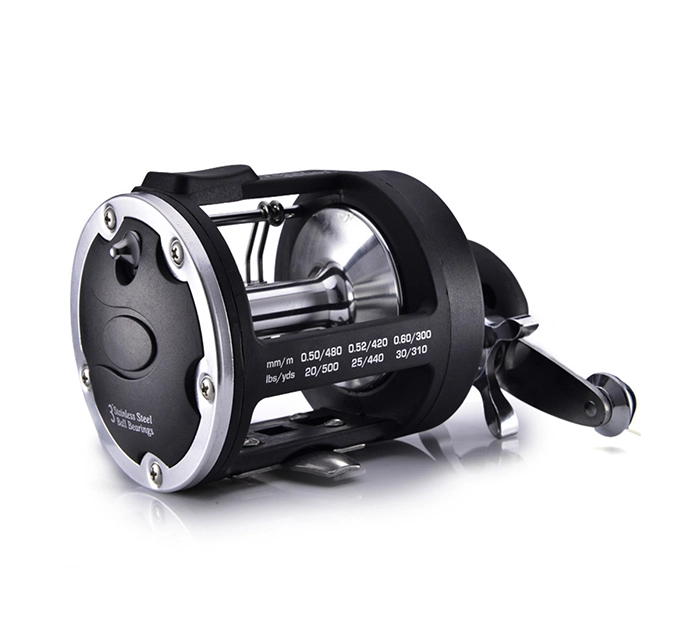
Many fishers trust loose terms like waterproof or all-around without checking true details, but a real sea tool needs exact barriers and top materials such as strong stainless steel or special rust-free blends. Using a reel not built for ocean work leads straight to breakdown, as salt slips through small openings that fresh water ignores. For deep trips with bigger risks, the Tolling Fishing Reel offers the solid build to resist both brine and the force of ocean fighters.
Seal Integrity Issues
Basic seals often miss the tight fit to stop tiny salt bits from entering the inner case, allowing brine to linger on fragile areas and spark rust right after shore time. This oversight turns minor exposure into major inner harm over repeated outings.
Material Strength Deficiencies
Low-cost aluminum or plastic bits tend to bend or split under ongoing salt strain and pull loads, which exposes weak points that cause the whole unit to shatter amid a strong fish battle in rough waves.
Protective Coating Fragility
Outer layers and simple covers wear off readily to bare the soft metal below, giving salt a clear route to chew through the frame at a fast pace. Once breached, this defense fails completely, speeding up total decay.
How Do Specialized Materials Prevent Terminal Gear Failure?
The difference between a short three-month run and a decade of service rests mainly on starting material picks, as leading firms use fine stainless bearings and modern alloy cogs that fight chemical wear by design. Through pro-level setups, these builders form a strong wall that salt struggles to breach, which stands as a key part of professional manufacturing services where each piece faces tough checks for ongoing ease and solid strength.
Stainless Steel Bearings
These ball units are made to shrug off rust and keep spin fluid in salty sea settings, ensuring casts and pulls stay simple no matter the wave splashes. Their steady performance holds up under constant exposure, avoiding the drag slowdowns that plague weaker options.
High-Strength Alloy Gears
Inner drive parts from targeted alloys avoid the pits and breaks typical in low-end tools, holding sharp edges firm under big strains that would ruin standard fits. This reliability cuts out skips or rasps that mark a failing mechanism.
Anodized External Surfaces
These treated outsides form a tough shell that stops harm agents from touching the core metal, embedding the guard right into the structure for better hold than loose coatings. Such built-in layers last longer against sea assaults, preserving the reel’s form over years.
What Design Features Ensure Longevity in Harsh Marine Climates?
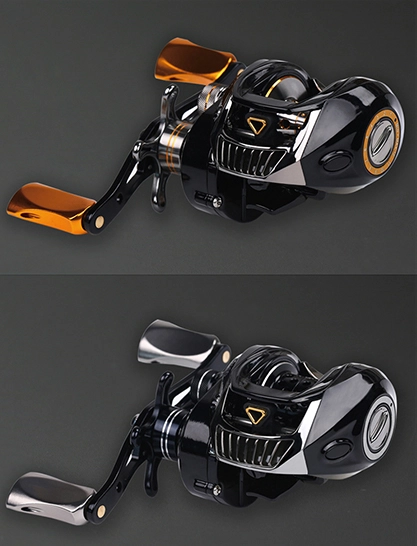
Past material choices, the reel’s overall shape matters greatly to its staying power, since a smart sea model includes smart bits like vent holes and full-closed drags that shield the heart from soakings. These smart builds mark pro standards, like in the Saltwater Baitcasting Reels, which blend light use with the firm toughness needed for hard shore fights.
Sealed Drag Systems
Closed spaces guard friction pads from wet and salt entry that might cause uneven pulls, keeping the drag even through a full contest with large catches. This setup proves vital for tiring out strong foes without sudden stops.
Integrated Drainage Ports
Placed vents let in spray flow out fast before drying inside, stopping pools that breed lasting rust in the base. By clearing moisture quickly, they lower chances of hidden buildup that shortens life.
Ergonomic EVA Handles
Dense grip materials fight salt decay and sun wear while giving firm hold in drawn-out pulls, staying sure and dry even with wet hands. Unlike softer types, EVA holds comfort and traction through wet sessions.
Can Professional Maintenance Save a Compromised Reel?
Though top gear forms your main shield, proper upkeep knowledge stays crucial, as salt starts harm upon drying and demands steady cleans to avoid fixed mechanical harm. If your tool now grinds or feels rough, consider pro tips or a switch to better stock, with suppliers offering direct consultation to guide picks that won’t fail next time.
Freshwater Rinse Protocols
Building a routine to wash off outer salt right after each trip simply boosts tool life by melting grains before they harden and scrape. This quick step reaches surfaces where buildup starts, preventing early wear from small exposures.
Deep Cleaning Procedures
Regular take-aparts let you scrub and oil key movers fully, matching the maker’s plan for smooth work. Such thorough work hits concealed spots where salt lurks and wreaks quiet havoc over time.
Corrosion Inhibitor Application
Sea-rated sprays add extra skin defense that pushes back water and salt hold, sealing tiny metal gaps for a smooth face that brine skips. These aids extend protection beyond built-in features, easing daily threats.
FAQ
Q1: Can I use my freshwater reel in saltwater just once if I rinse it?
A: It is strongly discouraged because salt reaches deep internal bearings where a simple surface rinse cannot reach, resulting in hidden corrosion that eventually destroys the reel from the inside out.
Q2: What makes a Baitcasting Reel specifically for saltwater?
A: Saltwater-specific models, such as Saltwater Baitcasting Reels, incorporate reinforced alloy spools and high-grade stainless steel components that standard freshwater models simply do not have.
Q3: How often should I deep-clean my saltwater reels?
A: For those who fish frequently, a complete disassembly and fresh lubrication should be carried out every three to six months to ensure that the internal seals and drive gears stay in peak condition.