
Winter’s cold stillness brings a special test for fishermen. Ice fishing stands out as a fresh way to start the year. It also lets you sharpen your skills and catch more fish. You might go alone or join others in contests. In any case, you need the proper tools, spots, and methods to do well.
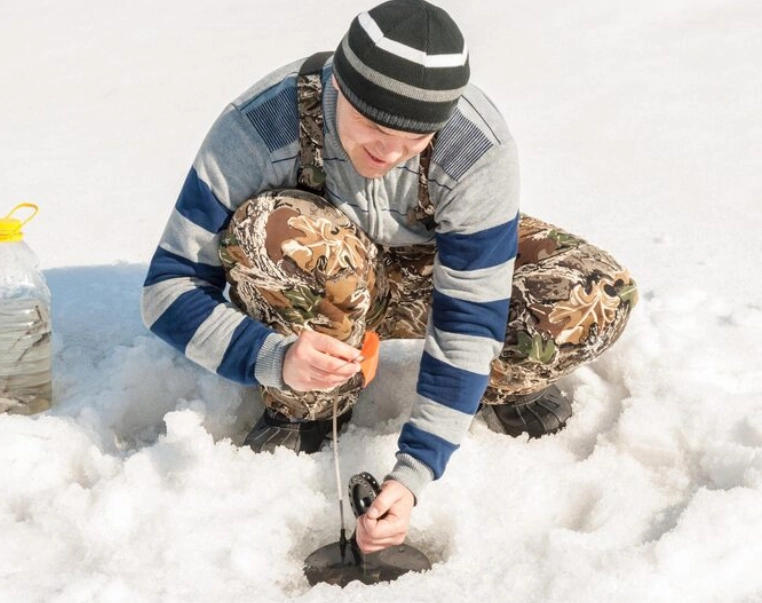
If you want solid gear for your ice fishing trips, team up with a dependable supplier like Laike. They have more than ten years in making top-notch equipment. This gear fits tough weather. Plus, they offer OEM/ODM options and serve over 20 countries worldwide. Their customization services and quick shipping make sure you get what you need fast. For questions or bulk buys, just reach out to them here.
Ice Fishing Gear Preparation for New Year 2026
As you get ready for ice fishing at the start of the year, focus on tough and sharp tools. The icy setup calls for exact parts that hold up and give clear signals.
Essential Rod and Reel Selection
Cold weather can dull the feel of basic rods. So, pick ones made just for ice. They keep you in tune with bites.
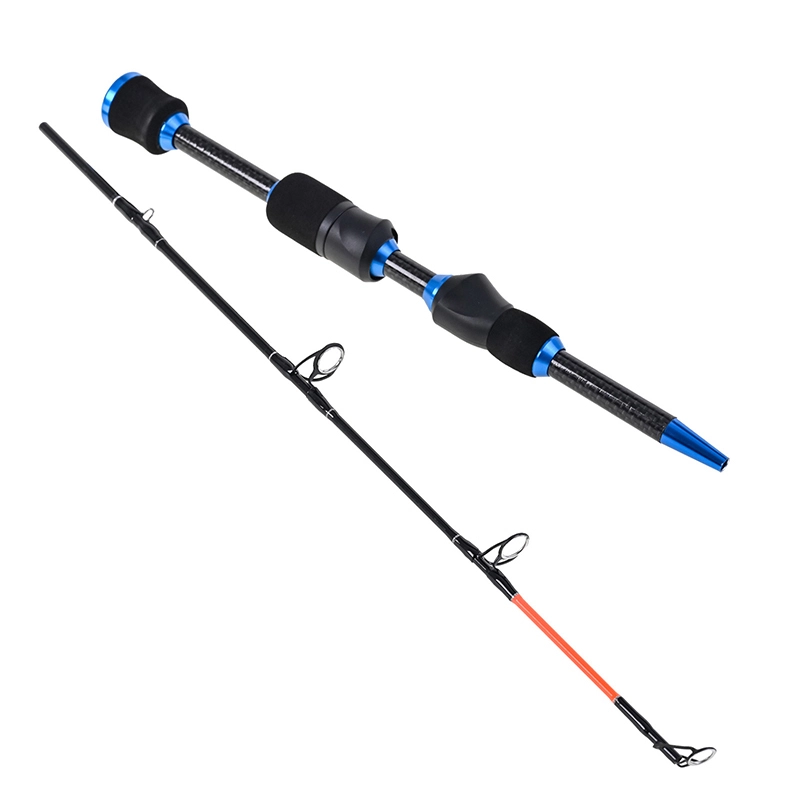
The Carbon Ice Fishing Rod weighs around 77g and stays light. It has metal guides and a two-part build. This setup gives quick response, even when fish move slowly in chilly water.
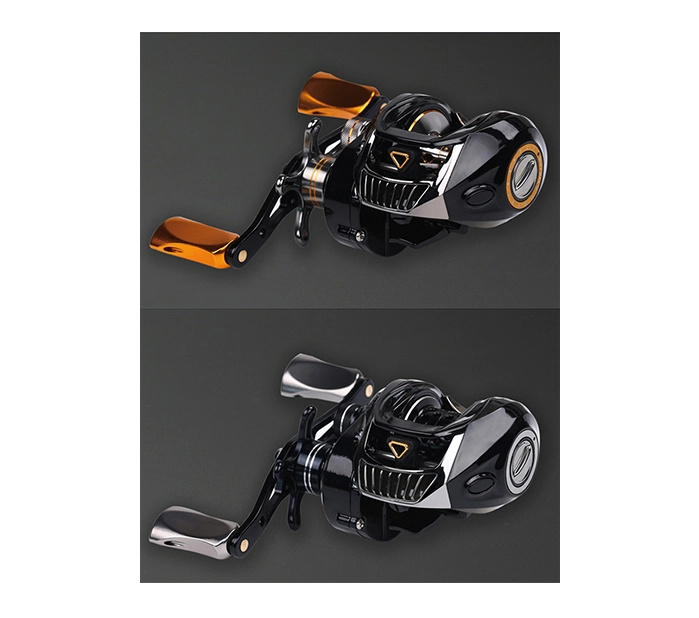
Match it with a reel that runs smooth. The Flat Metal Spool Saltwater Baitcasting Reels come with a 7.1:1 gear ratio. They also have 12+1 ball bearings. These features allow fast line pickup and exact drag. That’s key for handling lively fish in deep frozen spots.
Line and Hook Configuration
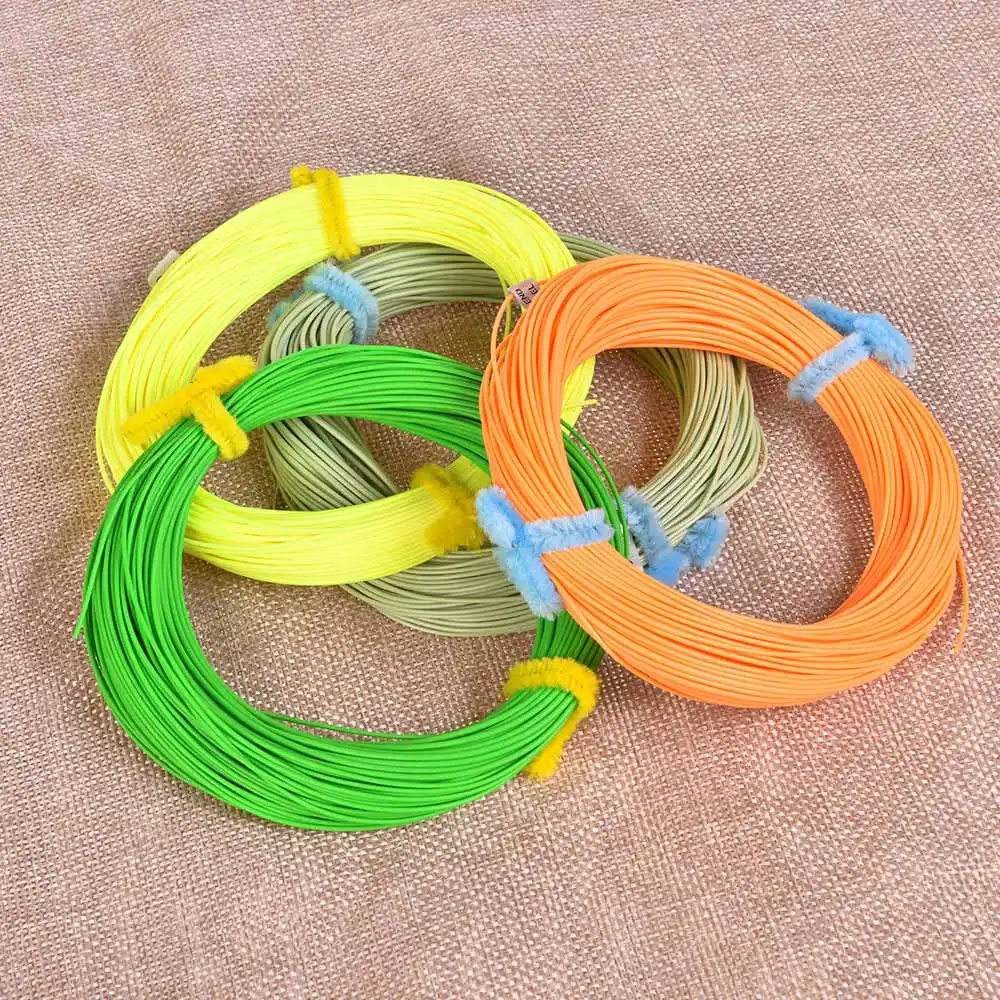
Lines for winter need to stay soft in the cold air. The Fly Fishing Line works well for heavy casts ahead. It gives good grip and bends easy at low temps.
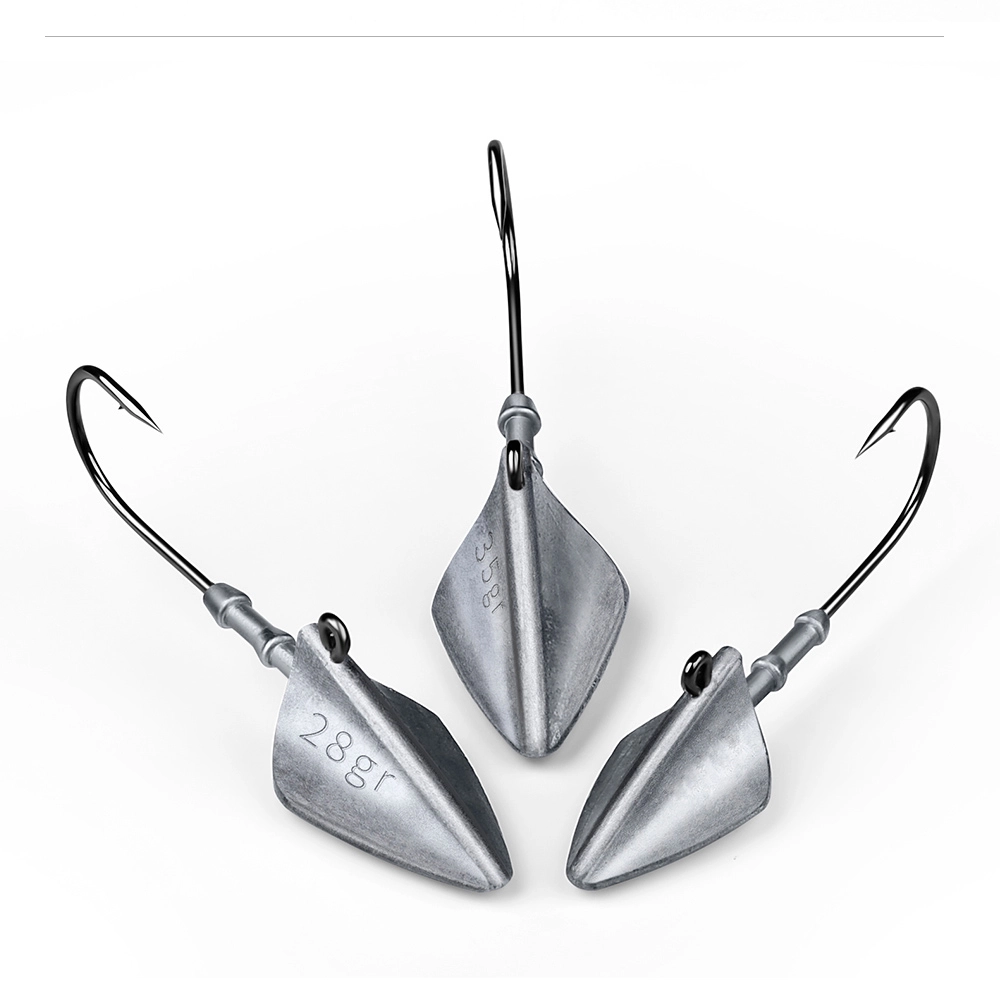
Go with hooks that match. The Lead Jig Head Fishing Hooks have sharp tips from chemicals and barbs. They look like tiny shrimp or baitfish below the ice. The heavy lead makes them drop fast and hit right near rocks or plants where fish hide in winter.
Clothing and Shelter Considerations
The chill is your main foe out there. Wear layers that pull sweat away at the base. Add warm middles and shells that stop wind. Pick boots with dry insides and gloves that let you grip well. Pop-up shelters cut the breeze and hold warmth. They let you fish longer without getting stuck in one place.
Locating Productive Ice Fishing Spots
Your wins depend on reading the bottom under the freeze. Use tech and signs from nature to find good areas quick.
Understanding Ice Formation Patterns
Check the ice first for safety and it needs at least 4 inches to walk on. For rides on snowmobiles or ATVs, aim for 5 to 7 inches. Watch for ridges from moving ice. Stay away from them. Snow might warm the ice or make it weak. Currents below can thin spots without warning.
Using Sonar and GPS Tools
Set up sonar to spot groups of fish at different levels. New sensors tell apart firm ground, weeds, and swimmers. GPS lets you save spots from good holes. So, you can drill there again next time with ease.
Observing Natural Indicators
Signs on top matter too, because birds near breaks or open spots often mean baitfish are active below. Flows around stones or grass beds point to hunters nearby.
Jigging Techniques Under the Ice Surface
Good moves can boost your catches a lot. Each style draws out reactions based on how active the fish are.
Vertical Jigging Methods
This basic way acts like hurt baitfish, so you lift and drop in control. Use the Lead Jig Head Fishing Hooks. They sink fast but hold steady on stops. This helps you keep lures at the right depth.
Dead-Sticking Strategies
When fish are picky, try dead-sticking. Hold the lure still and twitch the tip a bit. You need feel for this. The thin shape of the Carbon Ice Fishing Rod helps spot light pulls. That way, you hook them before they let go.
Aggressive Ripping Tactics
Hunters like quick jerks that look like running food. A reel like the Flat Metal Spool Saltwater Baitcasting Reels gives fast line control in these hard pulls.
Bait Selection and Presentation Styles
Pick the right bait to stand out and attract under cloudy ice.
Live Bait Versus Artificial Lures
Minnows and waxworms give real smell, but keep them warm to stay alive. Soft plastics handle easy. They come in shapes that copy small water life well.
Color and Size Matching Techniques
Under thick ice or dim light, bright colors like chartreuse show up better. Use smaller baits too. This gets shy fish to bite in the cold.
Scent Application Practices
Add smells to lures to draw slow fish. Gels stick longer in cold water than sprays do.
Environmental Awareness and Safety Measures
Watch the surroundings to stay safe and keep fishing well.
Monitoring Weather Conditions Continuously
Track storms, cold winds, and air pressure shifts. They change how fish eat. Low pressure might send them deeper. So, adjust your depth or weight then.
Practicing Ice Thickness Safety Protocols
Bring a drill or bar to check ice as you go. Don’t think it’s the same everywhere, even in old spots.
Emergency Preparedness Planning
Pack basics for trouble: ropes to throw, cleats for grip, picks that float on your neck, and a whistle to call help.
Partnering with Laike for High Performance Ice Fishing Equipment
Your gear sets your success, so, link with a pro in the field.
Product Innovation Focused on Cold Water Angling Needs
Laike makes fishing items for over 10 years. Their tools cover rods, reels, lines, and hooks. All built to take cold and keep sharp feel.
Quality Assurance Across All Product Lines
They promise solid work and on-time delivery. Tests like drops, salt dips, and heat checks make sure gear lasts trip to trip.
Global Supply Chain Support from an Experienced Exporter
They handle all buys, from small online ones to big offline orders. The team helps with OEM tweaks and ships quick to over 20 countries.
FAQ
Q1: What is the ideal rod type for ice fishing?
A: A short, sensitive rod like a carbon ice fishing rod provides quick feedback in cold environments where fish bites are subtle.
Q2: How do I choose the best reel for freezing temperatures?
A: Look for baitcasting reels with corrosion-resistant materials and smooth drag systems like those with flat metal spools designed for saltwater performance.
Q3: Why is line flexibility important in ice fishing?
A: Cold temperatures can stiffen standard lines; using fly fishing line designed for low-temperature flexibility helps maintain control during retrievals.
Q4: What makes lead jig head hooks suitable for jigging?
A: Their fast sink rate and chemically sharpened barbs help maintain depth precision while ensuring strong hooksets even with sluggish winter fish.