
Turn on an LED lure and the first sample can look impressive in seconds. That quick demonstration is also where a buyer can be misled. A useful approval covers the ordinary lure parts, the charging system, the switch, and what happens after controlled wet handling. Bright light on a desk proves only that the light came on once.
Pin Down Which Lure Is Being Approved
Write the model and revision at the top of the sample card. Add body color, stated weight and length, hook layout, charging interface, switch method, and modes. The photo set should show two sides, top, belly, and charge point. A replacement sample gets another revision; otherwise, old notes may end up attached to a new build.
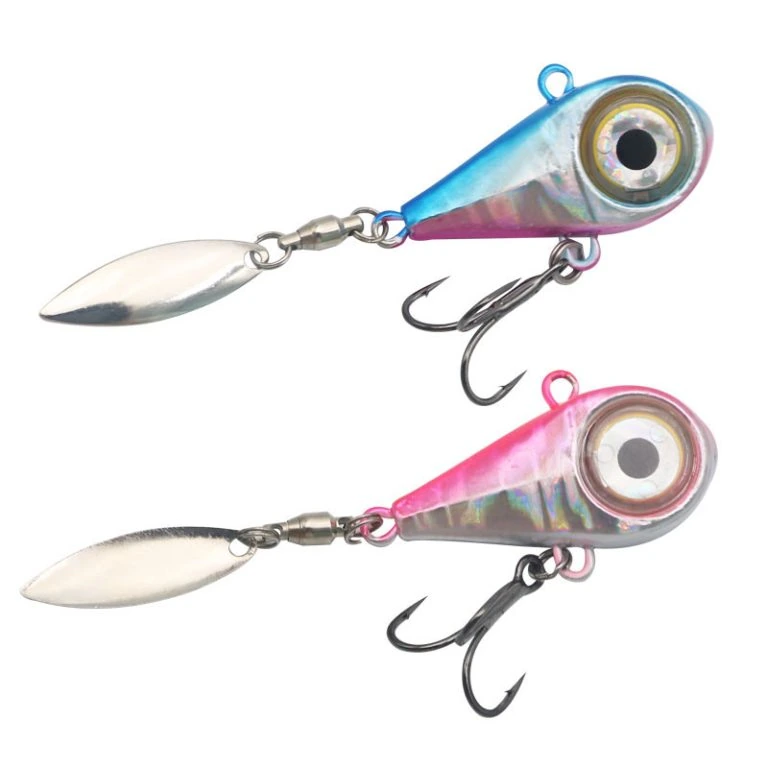
The Laike VIB LED fish eye metal spoon bait is listed as a 7.7 cm, 20.4 g metal lure. USB charging and magnetic control operate three stated modes: steady, slow flash, and rapid flash. Trebles are shown on the published build. Enter these details on the first card, then confirm them against every ordered variation.
A picture says nothing certain about battery, charge time, internal seal, or hook mass. Pink can also mean two different shades to two people. Resolve such gaps on the sample, when replacing one unit is still simple. Packed cartons are a bad place to discover that everyone remembered the reference differently.
Look at the Lure Before the Electronics
With the power off, place the lure on a clean bench and turn it slowly. Dents, bare coating, loose eyes, rough seams, and body twist are easier to spot before the light becomes a distraction. Then sight down the line tie; a slight lean can alter hook and spinner clearance.
Now work through the hardware slowly. Move blade and swivel by hand, listening for body contact. A magnifier makes ring gaps and hanger alignment easier to see. Swing the trebles through their normal arc to expose tangles. On the card, name sizes and positions instead of writing the nearly meaningless phrase sharp hooks.
Use one scale and one measuring method across several units. Save individual readings, since an average can conceal the very outlier being sought. Agree tolerances before production begins. This remains an incoming comparison, not laboratory certification.
Charging Needs More Than One Green Light
Match the supplied cable with the manufacturer’s input requirement before connecting power. A familiar plug alone does not qualify a phone adapter. Record starting state, connection time, indicator pattern, and the expected sign of completion.
Let the cable rest in a few ordinary positions, with no pulling. An indicator that dies whenever the plug turns has exposed a contact issue. The battery may fill eventually, but customers should not need to discover a magic angle.
Disconnect each charged lure and allow an equal rest period. Now cycle the controls. One unit begins on steady while another begins on rapid flash: is that allowed? If not, mode order has become a production issue, because printed instructions and customer support rely on a predictable sequence.
Runtime needs rules before it needs a stopwatch. Choose the mode, starting charge, room conditions, power source, sample count, and the brightness that counts as finished. Only a result from that method belongs in sales copy. Otherwise, use rechargeable without adding an hour figure.
A Magnetic Switch Can Wake Up at the Wrong Time
Magnetic control keeps the shell free of an exposed button, though accidental activation becomes possible. Locate the working point with the intended magnet and note distance and orientation. Cycle each lure several times to catch skipped modes or stray flicker.
Recreate the neighborhood inside a shop pack or tackle box: a second lure, common steel tools, and the proposed tray. Secure the hooks first. If another magnet wakes the light, add distance or an insulating holder. A tray revision is cheaper than discharged stock and flashing cartons.
Self-shutdown has at least three possible explanations: timer, low charge, or fault. Confirm the intended behavior with the supplier and reflect it in the instructions.
Water Resistance Must Have a Defined Meaning
The word waterproof is reassuring only when evidence sits behind it. Ask how the charge point was closed, how the sample was prepared, and which water exposure was used. An IP statement must trace to this model rather than a lookalike electronic lure.
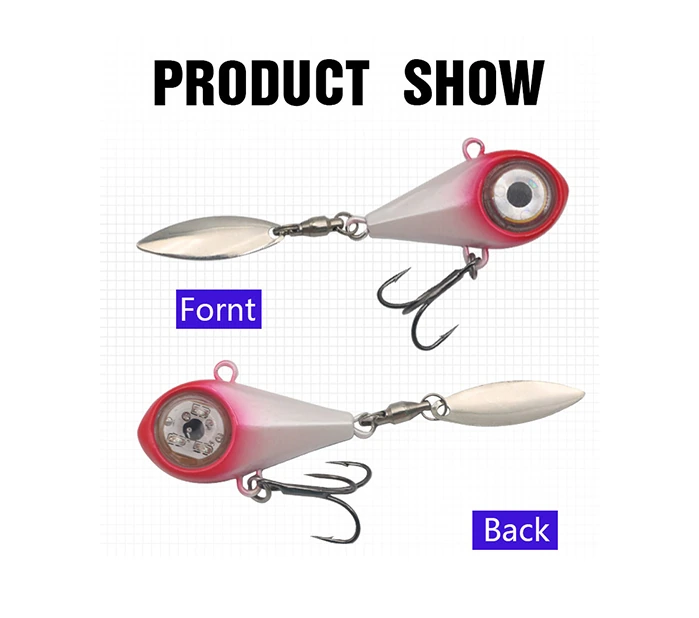
An internal screen can stay modest. Operate the dry lure and note its sequence; close the charging area as instructed; apply the agreed water condition for the agreed time. Dry the exterior before the second functional check. An improvised bucket does not create an IP rating, while excessive depth may simply ruin the evidence.
After water exposure, look for mist behind the lens and color change on the contacts. Compare switch response, brightness, and mode order with the earlier dry notes. Keep the charger away until drying is complete and reconnection is permitted. For salt use, obtain separate rinse and storage directions; freshwater results cannot predict long-term corrosion.
Compare Light Output Fairly
Darkness makes visual comparison surprisingly slippery because eyes adjust. Start each unit at an equal charge, distance, and angle. Lock camera exposure for record photographs; automatic exposure can lift a weak light until the picture hides the difference.
Rotate the lures through matching angles. With a crooked lens, a strong front view may become a weak side view. The comparison measures sample consistency, not catch rate, and it cannot isolate light from weight or retrieve changes.
The Laike fishing accessories range contains electronic, luminous, and reflective tackle. Name the effect accurately: glow material releases stored light, an LED produces light, and reflection needs an outside source.
The Lure Still Has to Swim
After the electrical work, rig a representative leader and clip. In clear water, increase retrieve speed gradually. Onset of vibration, body roll, and contact among spinner, hooks, and shell belong in the notes. Repeat the routine after wet screening.
Laike’s notes on matching a VIB lure to depth and retrieve speed are useful here. Path changes with line angle, current, countdown, and hardware. A consistent setup prevents a new line bow from being blamed on the sample.
After the swim, look again at hook points, rings, and coating. New contact marks show tight clearance. When a different hook is proposed, swim that exact size and mass because extra hardware weight changes the fall.
Make the Retail Pack Part of the Sample
On the pack, customers should find the model, charging method and input, mode order, storage precautions, and wet-use directions. Obtain market-specific battery and disposal wording from qualified local advice. Copy taken from an unrelated gadget may not fit this product or destination.
Lay the complete pack on the bench: lure, cable, magnet or controller, protective pieces, and instructions. Match it against the sales photograph. Once closed, a gentle shake should leave hooks clear of the cable and lens, with enough room around the control to prevent activation.
Prepare a short staff note for charging complaints. It can cover initial safe checks, mode identification, reconnection timing, and the route for a failed unit. Leave sealed-body opening and improvised repairs out of it.
Keep One Approved Unit with the Record
The final record can be plain. It should still gather revision, color, dimensions, weight, photographs, charge source, indicator behavior, mode order, runtime method if used, water evidence, wet and dry results, pack contents, and label text. Store the accepted lure dry beside that record.
Laike supplies lures and related tackle for wholesale and customization. Buyers can send Laike the intended build with a sample or quotation request. List accepted variations individually. Choosing another color should not quietly change the hook, cable, battery, or mode order.
FAQ
Is one bright LED sample enough for approval?
No. It shows only that one light worked once. Compare several samples for body construction, hardware, charging, mode order, switching, wet function, packaging, and consistency.
What is a fair way to test runtime?
Choose the power source, starting charge, mode, room conditions, sample count, and end point before timing begins. Publish the conditions beside the result.
Can a bucket test prove that a lure is waterproof?
It cannot prove a formal rating. A controlled screen may still find an obvious leak when its depth, duration, sample preparation, and pass criteria have been agreed in advance.
Why test swimming action after the LED checks?
Light does not correct poor balance. Body alignment, hooks, spinner drag, leader, and retrieve speed can all change tracking and vibration.
What should the purchase specification freeze?
Specify revision, dimensions, weight, color, hooks, rings, spinner, modes, switch, charging parts, pack contents, and instructions. Runtime and water wording need their supporting evidence attached.