
Watching a good fish escape as the line snaps during a strong run proves disappointing. Selecting suitable fishing line specifications decides whether anglers secure their catch or face losses from breaks, abrasion, or poor casts. Essential aspects cover breaking strength, thickness, wear resistance, stretch, knot-holding ability, and surface smoothness. These components ensure the line handles intense pulls, rough underwater features, and ongoing water exposure reliably.
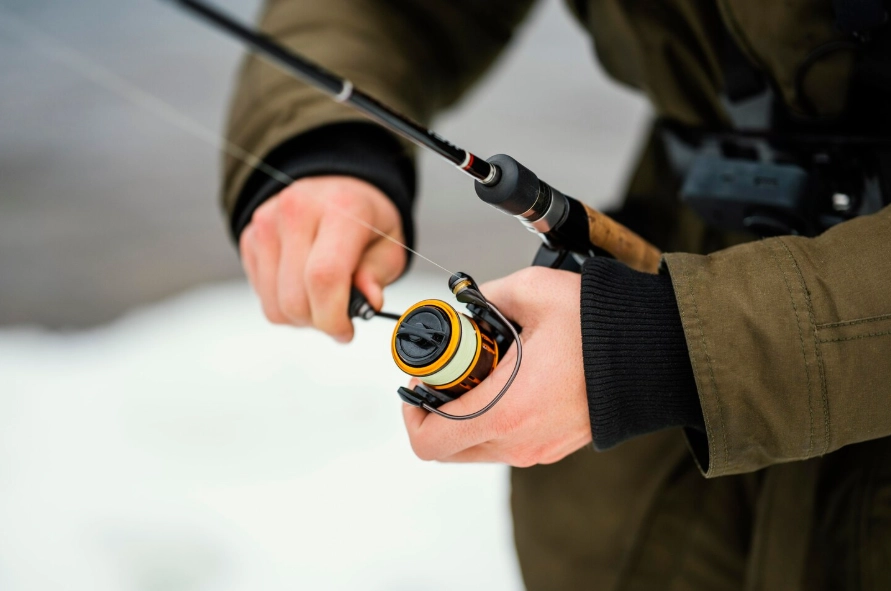
Partnering with a reliable supplier alters the fishing experience significantly. Laike has dedicated over ten years to fishing gear. The company maintains its factory in Weihai and partners with more than two hundred dependable producers in China. Its lineup includes lines, reels, rods, lures, and accessories, with exports to over twenty nations such as the United States, Canada, Japan, Australia, and Brazil.
Why Does Your Fishing Line Keep Breaking Unexpectedly?
An abrupt break during a forceful pull disrupts a solid outing swiftly. Examining core strength traits builds assurance that the line endures abrupt rushes and steady pressure.
Tensile Strength Ratings
Lines featuring elevated tensile ratings cope better with vigorous dashes from sizable fish. Choices spanning about 0.91 kg to 14.8 kg enable matching the target size and combat approach.
Knot Strength Retention
Most failures arise at the knot. Selecting a line that preserves at least ninety percent strength post-knot tying provides security in demanding encounters.
Abrasion Resistance Levels
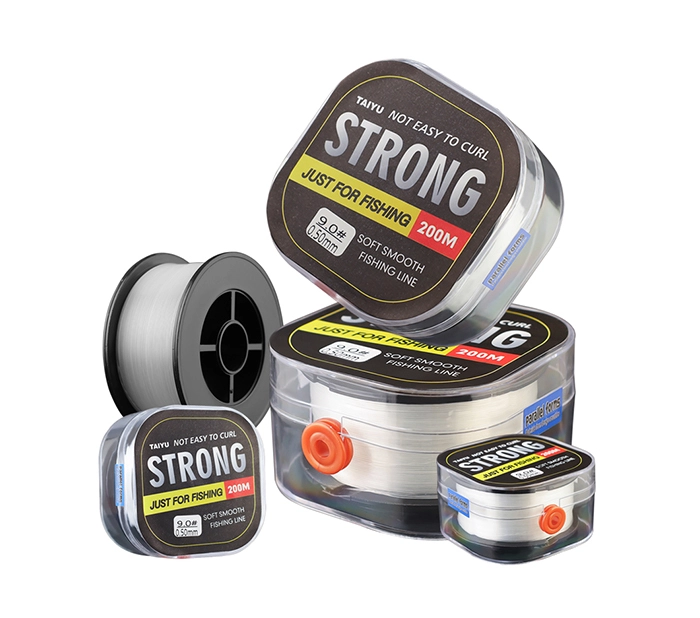
Sharp rocks, coral formations, or barnacle-encrusted areas erode standard lines rapidly. Robust scraping-resistant lines persist longer in severe locations. The Strong Nylon String Fishing Line performs notably in this regard, employing premium nylon and a distinct surface process that withstands jagged surfaces, while delivering tensile strength up to 14.8 kg.
How Can You Achieve Longer and More Accurate Casts Every Time?
Brief throws and frequent snarls block access to optimal areas and render displays awkward. Assessing thickness, surface texture, and flexibility permits extending lures or flies farther with improved precision.
Diameter and Line Thinness
A slimmer diameter cuts air resistance, thereby extending throw range without compromising required power.
Surface Slickness and Coating
Polished surfaces reduce drag as the line uncoils and rewinds, facilitating tidier, extended, and exact deliveries.
Memory and Suppleness
Low-memory lines stay pliable, dodge loops, and coil orderly on the reel consistently. The Strong Nylon String Fishing Line merges fine flexibility with prompt twist correction and a glossy coating, rendering extended throws simple.
Is Your Line Really Suitable for Saltwater or Rocky Environments?
Salt mist, persistent swells, and rough subaquatic landscapes degrade ordinary lines promptly, fostering doubt about upcoming catches. Evaluating the line’s defense against decay, friction, and routine exposure grows crucial in such demanding zones.
Saltwater Corrosion Resistance
Substances that evade corrosion or decay in brine sustain output steadily across outings without strength loss.
Rock and Structure Abrasion Protection
Sturdy builds tolerate ongoing abrasion from reefs, stones, and shell clusters without evident wear or decline.
UV and Chemical Stability
Lines crafted to defy solar harm and extended moisture retain core attributes longer, even under intense rays or severe settings. The Strong Nylon String Fishing Line addresses these issues effectively, boasting verified anti-rust traits, superior abrasion shield, and firm reliability in streams or seaside terrains.
What Makes Fly Fishing Lines Perform Differently from Regular Lines?
Fly angling demands a distinct method, as subtle displays and exact reach surpass brute force typically. Concentrating on tailored taper forms, apt weighting, and efficient joins yields fluid, potent throws.
Weight Forward Taper Design
The forward-weight form energizes the rod swiftly and effectively, enabling potent but managed throws that flip leaders neatly.
Floating vs Sinking Options
Submerging variants lower flies to profound spots rapidly, proving vital when targets linger subsurface or flows drag items down.
Welded Loops for Quick
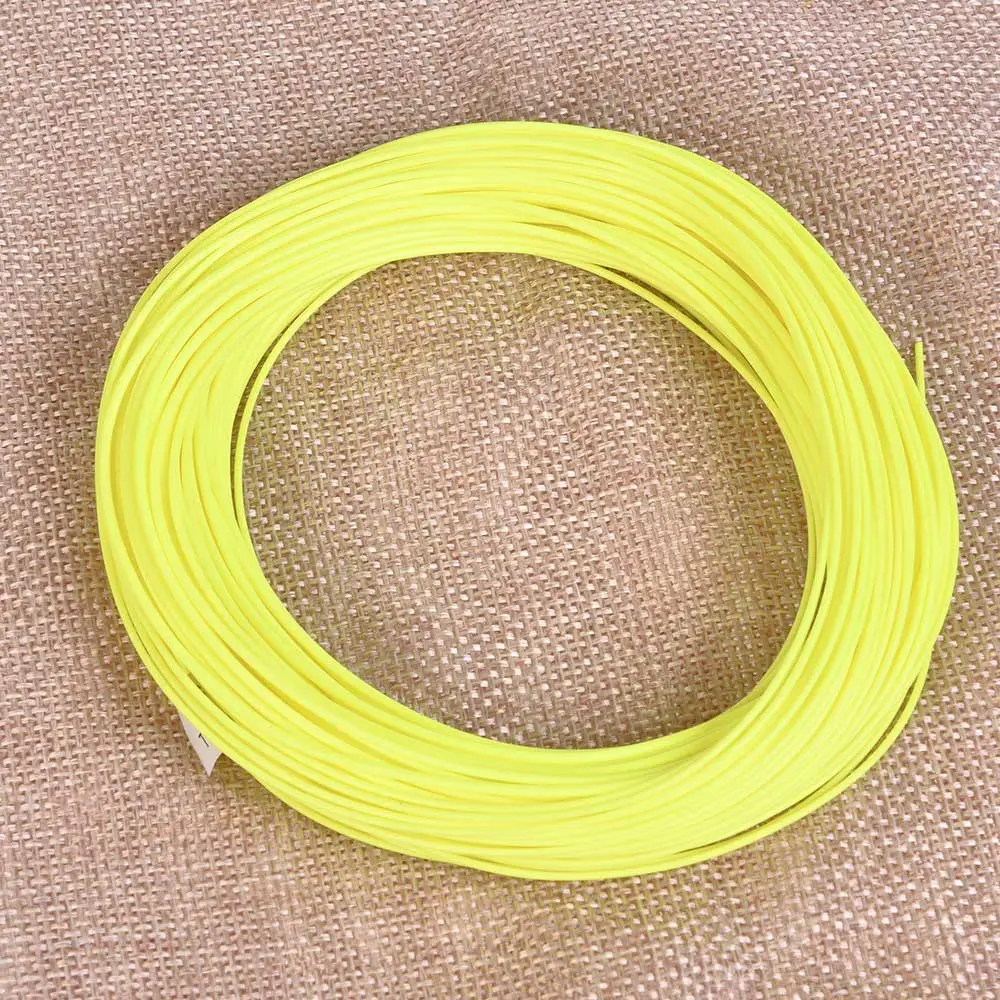
Connections Integrated fused loops simplify leader joins and boost flip rate for lifelike shows. The Fly Fishing Line applies a tested WF sinking pattern in sizes #4 to #8, incorporating two sturdy fused loops, which yield exact throws and steady output per session.
How Do You Match Line Strength to Target Fish Species?
Employing an overly light or excessively heavy line for pursued fish frequently results in missed prizes or damaged equipment. Defined pairing principles assist in aligning proper attributes with intended species.
Pound Test Guidelines
Choosing the fitting pound-test span according to typical fish mass and combat patterns averts feeble arrangements and needless excess.
Diameter-to-Strength Ratios
Broader diameters generally yield greater total power, aiding notably when larger, vigorous fish appear.
Species-Specific Recommendations
Gentle configurations suit compact panfish and trout, while robust levels advantage against major hunters that tug fiercely. The Strong Nylon String Fishing Line spans broadly from 0.91 kg to 14.8 kg tensile strength, permitting comfortable alignment with diverse targets.
The following table aids comparison of vital attributes from engineering and physics perspectives for standard fishing line types. These metrics derive from materials science basics: tensile strength denotes peak stress (force per area) prior to rupture, diameter impacts resistance and reel volume through sectional area, elongation gauges load energy uptake (stretch ratio pre-fracture), and abrasion resistance signals endurance versus rubbing damage. Nylon monofilament, akin to the referenced strong nylon variants, harmonizes these qualities aptly for varied applications.
Comparison of Key Fishing Line Material Properties
| Material | Typical Diameter for 10 lb Test (mm) | Tensile Strength (lb for stated test) | Elongation at Break (%) | Relative Abrasion Resistance | Notes on Physics/Engineering Basis |
| Nylon Monofilament | 0.28–0.35 | Often tests 20–30% over label | 20–30 | Moderate to Good | High stretch absorbs shock loads (viscoelastic behavior); good knot strength retention (~90%) due to molecular flexibility. |
| Fluorocarbon | 0.25–0.30 | Close to label or slightly over | 10–25 | Excellent | Higher density and lower initial stretch improve sensitivity; superior surface hardness resists scraping. |
| Braided (PE/Dyneema) | 0.15–0.20 | 2–3× stronger than mono same diameter | <5 | Poor to Moderate | Ultra-high molecular weight polyethylene gives exceptional tensile strength-to-diameter ratio; minimal stretch for direct bite detection. |
Such numbers average from sector evaluations and substance records; real outcomes differ by maker, finish, and settings. Nylon’s stretch, for example, disperses abrupt load peaks via pliable reshaping, cutting fracture chances in lively struggles, whereas braid’s slight stretch heightens feel but grants minimal leeway.
Where Can You Find Reliable, High-Quality Fishing Lines Without Guesswork?
Procuring from dubious outlets typically involves erratic lots that underperform at critical moments. Opting for providers with extended records of consistent output and robust aid eliminates substantial doubt.
Manufacturer Experience and Quality Control
Firms enduring many years with stringent review methods produce markedly foreseeable water results.
OEM/ODM Customization Options
Capacity to tailor attributes or wraps precisely to requirements aids vendors, instructors, and dedicated fishers equally.
Global Export Reliability
Steady dispatch timetables and global dispatch know-how lessen holdups and issues. Trustworthy allies emphasizing hardy, verified lines streamline the full procedure dependably.
Ready to Upgrade Your Fishing Line Setup for Maximum Durability?
Grasping these core elements—breaking strength, wear resistance, diameter, taper forms, stretch patterns, and knot efficacy—elevates water sessions clearly. Resulting lines withstand harsh clashes, extend on throws, and function steadily post extended rugged deployment in strict environs. Numerous fishers opt for the Strong Nylon String Fishing Line in rocky coastal or brine settings needing real grit, whereas the Fly Fishing Line suits those committed to fly accuracy and span. Explore Laike for complete details and initiate talks on forthcoming purchases. Outfit with tools built to endure every stern dash and prolonged haul.
FAQ
Q1: What is the most important spec for preventing line breaks?
A: Breaking strength, alongside fine knot preservation and firm abrasion shield, counts most, as these traits counter stern tugs, frail links, and steady friction directly.
Q2: How does diameter affect casting performance?
A: Narrower diameters generate far less wind drag, permitting markedly longer and fluid throws, yet upholding ample power for targets and surroundings.
Q3: Why choose nylon over other materials for general use?
A: Nylon supplies superior stretch to buffer abrupt jolts, grips knots superbly, remains supple to evade snarls, and furnishes steady abrasion endurance across broad angling contexts.