
When you target big fish, picking the right gear goes beyond simple choice, and it becomes key to staying safe on the water. Every part of your setup needs to handle tough conditions without issues, especially your line and reel. Experts pair line strength with the right reel type through a mix of know-how, design smarts, and careful setup.
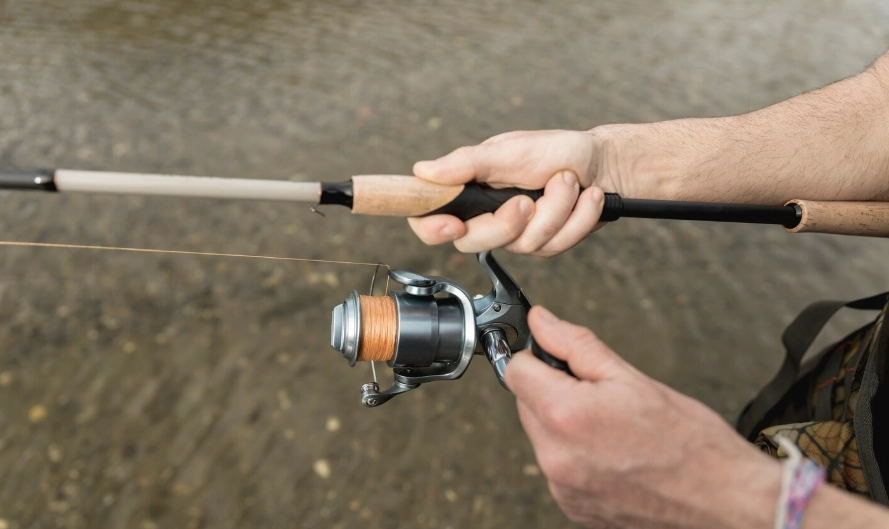
If you want solid fishing tools that mix toughness with smart features, Laike stands out as a solid option. With more than ten years in making gear and over 500 different items in their lineup, Laike provides reliable products used in over 20 countries. For OEM buyers or skilled anglers, their full-service approach, from design to worldwide shipping, helps boost your fishing setup.
Relationship Between Line Strength and Reel Type
The link between line strength and reel type forms the base of good fishing setup, since a poor match often leads to missed strikes, lost catches, or broken gear. This setup relies on three main parts: the traits of the fishing line, the reel’s build details, and how well they work together.
Characteristics of Heavy-Duty Fishing Lines
For going after large fish, the line has to take heavy pulls without losing grip. Nylon line comes from a single strand of nylon that’s heated up, pushed through a plate with holes to form threads, and then pulled tight by two or three rollers. This method gives nylon its solid pull strength and some give.
The Strong Nylon String Fishing Line shows this mix well. Its tight molecular setup provides strong tensile power, and its managed stretch takes in jolts from fast runs by big fish. That quality works great in salt water or areas with rocks, where it needs to fight wear well.
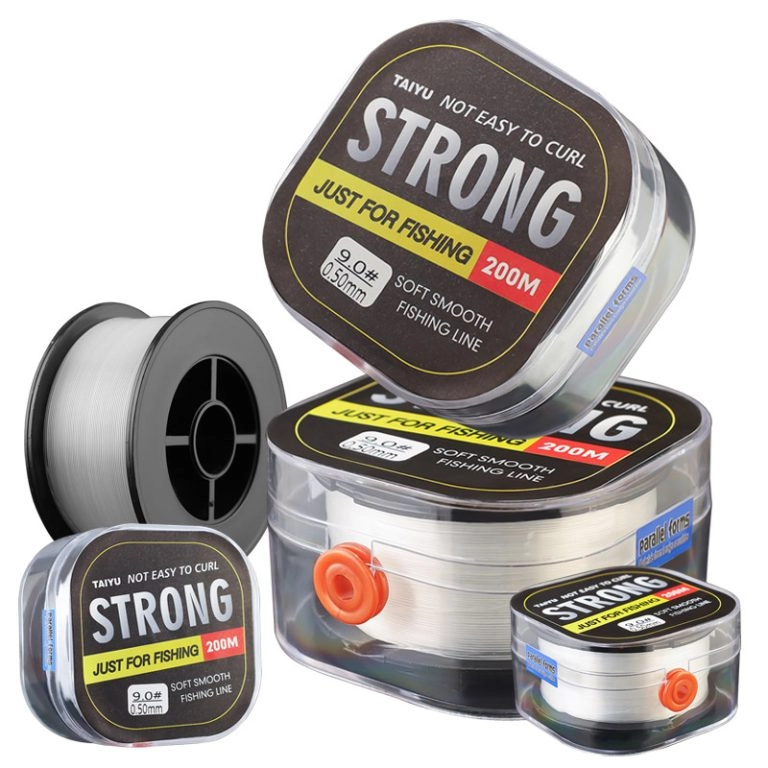
Line thickness counts a lot too. Bigger diameters cut down on how far you can cast and how much line fits on the spool, which matters when aiming for deep-water open-ocean fish. So, finding the right balance means picking the slimmest line that still holds up to the pull you expect.
Reel Specifications for Targeting Large Species
A strong reel turns your efforts into pulling power smoothly while staying steady under weight. The Big Game Spinning Fishing Reels build in this goal. With a 5.2:1 gear ratio and 13+1 ball bearings, these reels pull in line evenly and have tough drag setups.
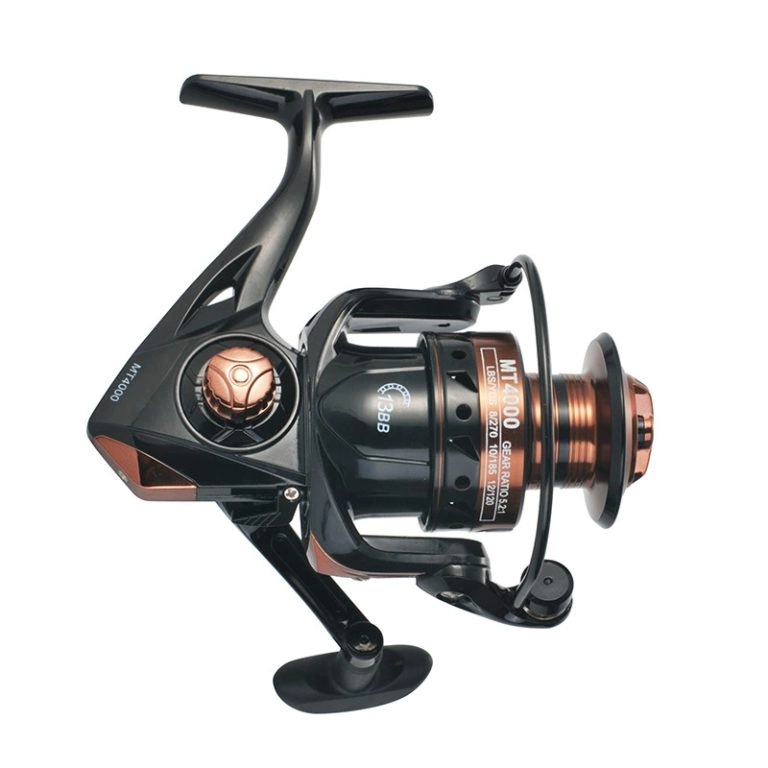
The drag system’s smoothness and adjustability are must-haves for big fish fights, as they keep pull steady to avoid sudden snaps. Spool size is important as well, since a bigger one holds more line and cuts down on twist problems during long pulls.
Pick materials that stand up to rust, particularly in salt water. Using light aluminum from aircraft and strong plastics shows top-level build work.
Matching Line Strength to Reel Capacity
Even the best gear can let you down if it doesn’t fit right. When the line’s pound-test goes over the reel’s drag max or spool space, you might jam things up or make casting harder. On the other hand, a weak line with a strong reel often breaks too easily.
Good balance between the line’s pound-test and the reel’s spool limits stops most gear problems. That’s why all parts need to match up. When you pair them well, like the Strong Nylon Line with Big Game Spinning Reels, you get better overall work instead of extra stress.
Techniques for Battling Monster Fish with Matched Gear
After you match your line and reel properly, the next step focuses on how you handle the fight, so each move uses your gear’s strong points without hitting weak spots.
Drag Adjustment and Pressure Control
Set the drag at first to about 25-30% of the line’s break point. This level gives enough hold to wear down the fish but avoids breaks during quick dashes. The even drag from Laike’s reels keeps pull steady without snaps in long fights.
As the fight goes on, you might adjust the drag bit by bit to match the fish’s changes or tiredness. This kind of ongoing tweak can decide if you land the big one or not.
Rod Positioning and Retrieval Rhythm
Hold the rod low to get the most pull power while cutting down on up-and-down strain on the line. Go with a steady pump and wind motion to tire the fish out, all while keeping steady tension.
A well-matched setup from Laike improves your hold during hard fights. This teamwork lets you use pull points exactly, which cuts down on your own tiredness in drawn-out battles.
Managing Line Friction and Heat Buildup
Heat from rubbing can wear down good lines over time. Bigger spools, such as those in the Big Game Spinning Fishing Reels, help by having wider sizes that ease tight winding pressure.
Top nylon lines hold up better against heat damage than cheap ones. You can also oil touch points often and splash water on the line during long runs to cut down on rub wear.
Specialized Gear Selection Based on Fishing Environment
Different waters call for different setups, so the best gear choice changes based on if you’re fishing through ice, chasing river salmon, or pulling lines in deep sea.
Ice Fishing Requirements for Extreme Cold Conditions
In very cold weather, normal materials get stiff and fail easily. The Aluminium Winter Ice Fishing Reels fix this issue head-on. They include parts that fight freezing for steady work in winter.
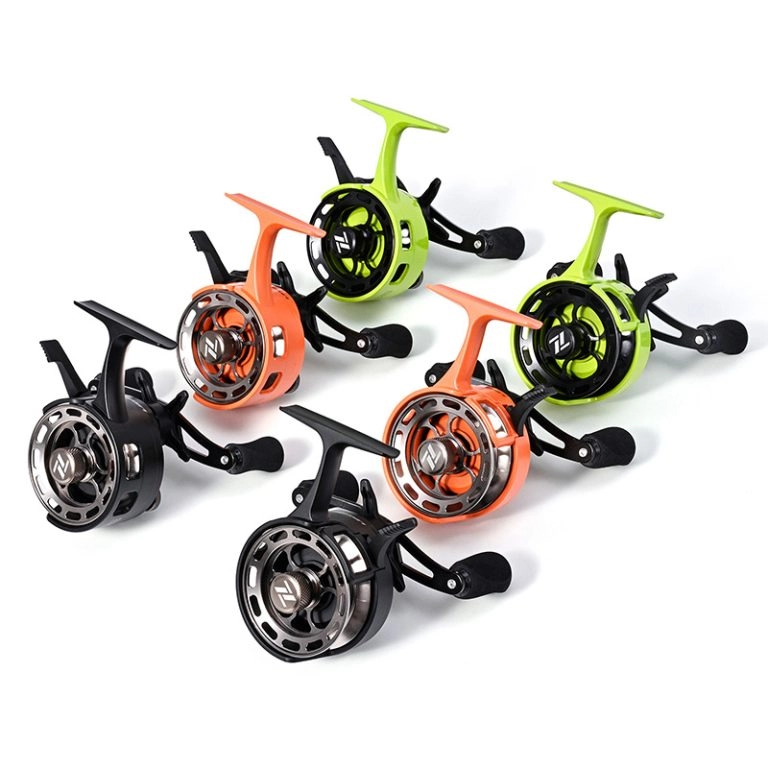
Match these with shorter rods for easier handling in tents or over small ice holes. Lines made from cold-tough nylon keep things working right in below-zero trips.
Fly Fishing Considerations for Large Freshwater Species
Fly fishing needs careful touch and accuracy. The proper fly line, like the Fly Fishing Line, must float well and show up clearly, yet stay tough for long dashes.
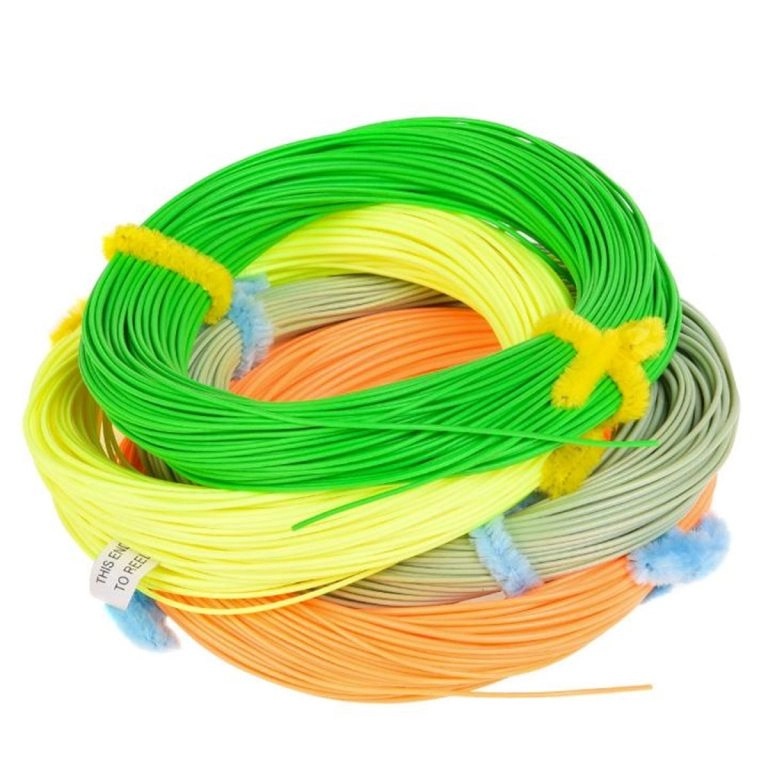
Pair fly reels with enough backing space when facing strong fish runs. A reel without room for backing will run out fast and lose the fish.
Saltwater Challenges in Offshore Big Game Hunting
Saltwater adds problems like salt eating away at gear and strong currents pulling hard. Reels require closed insides to block salt buildup. Braided lines or beefed-up nylon cut through rough water and stand up to reefs or sharp teeth.
Quality nylon offers great resistance to wear, pull, water, and sun damage.
Advantages of Choosing Laike as Your Fishing Gear Partner
Going with a maker that focuses on parts working well together takes out a lot of trial and error in matching gear.
Integrated Product Compatibility Across Lines and Reels
Laike designs all items to fit together without hitches, which ensures even performance under big loads. Pairing their lines with reels boosts not just power flow but also smooth casts and lasting fights.
Commitment to Quality Manufacturing Standards
Production that meets ISO rules promises steady, dependable, and safe results in every item type. This kind of trust means your gear works just as it should in real fishing pressure.
Global Support Network and Customization Services
Looking for OEM/ODM options? Their team gives one-on-one help via Laike’s contact page. You can also get custom labels for boat rentals or shops wanting special fits.
FAQ
Q1: What line strength should I use for offshore big game fish?
A: Use nylon lines rated above 50 lbs with reinforced abrasion resistance like the Strong Nylon String Fishing Line.
Q2: How do I adjust drag for fighting large fish?
A: Start with drag at 25-30% of your line’s breaking strength, then tweak it as the fish tires to maintain steady pressure.
Q3: Why is spool size important for big game reels?
A: A larger spool holds more line and reduces friction during long fights, helping you manage explosive runs better.
Q4: What makes nylon lines suitable for saltwater fishing?
A: Nylon lines provide strong abrasion resistance, water resistance, and UV protection, which stand up well to harsh marine conditions.
Q5: How can I match line to reel for ice fishing?
A: Pair cold-resistant nylon lines with reels like the Aluminium Winter Ice Fishing Reels to ensure reliability in freezing temperatures.