
Nothing spoils a fishing outing quicker than a broken line in a big battle. Many times, you point to the fish or a poor tie, but the true cause often hides right there: a hurt rod guide. To beat these tool breaks, you need gear supported by solid factory work. Here is Laike, a professional fishing tackle exporter with more than ten years of direct skill in the field. Based in the famous fishing spot of Weihai, they run a group of over 200 steady plants to offer a one-stop procurement service that includes all from baits to advanced rods. They do not just link buyers; they act as tech pros who have cleared SGS and TUV checks for sixteen years in a row. If you run a large shop chain or buy online, their skill to send over 6,000 OEM parts to thirty-one lands shows they grasp what keeps tools safe from sea salt and bright sun.
Why Is Invisible Guide Damage a Silent Killer for Anglers?
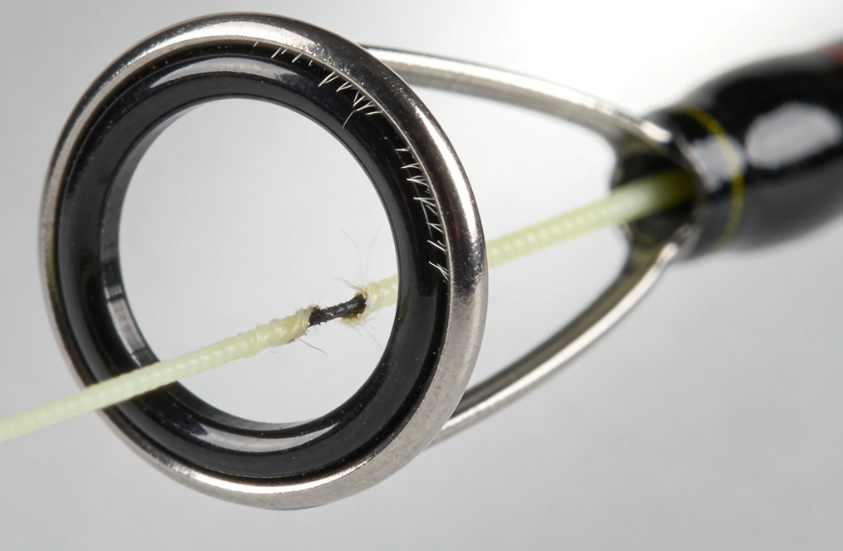
Many folks believe a guide works well if it stays fixed to the rod body. In truth, the worst harm stays small and unseen. Even a small cut works like a rough blade on your line when it pulls tight.
Micro-Cracks and Ceramic Chips
Ceramic rings break easily. A light hit on a boat edge or a fall on stones can form a thin split. You may not spot it at once, but it rubs your line each time you throw or pull back. This hidden flaw builds up damage over many uses.
Friction Heat Impact
When a large fish pulls hard, the rub between line and guide makes strong heat. If the guide face feels rough, that heat grows fast, which harms the line’s inner build and leads to breaks far under its set limit. Such effects weaken gear without clear signs at first.
Line Fraying Signs
If your line seems “hairy” or shows small white threads after some throws, your guides already harm your tools. This warning needs a quick look. Early checks can stop bigger losses on the water.
How Do You Detect Guide Problems Before the Big Catch?
You do not require a test room to check your tools. Simple steps that pros use can save cash and sad times.
The Cotton Swab Test
Grab a basic cotton stick and slide it inside each guide ring. If any cotton catches or comes off, you face a split. This sure way works since cotton grabs what eyes miss. It helps spot issues before they cost a catch.
Visual Magnification Check
Use a small glass tool or your phone’s close-up view to study the parts. Look for “cuts,” which form when thick line carves a path into weak metal or poor ceramic guides. These marks show wear that builds over time. Checking often keeps your line safe.
Fingertip Sensitivity Method
Move your nail slowly around the guide’s inner edge. Your touch picks up feel changes well. If it lacks a glass-like smooth, it harms lines. This simple touch test reveals problems that looks alone cannot find.
What Happens When Damaged Guides Meet Low-Quality Lines?
A rough guide paired with a low-cost line spells trouble. You need a line with even build to face the pull.
Abrasion Resistance Failures
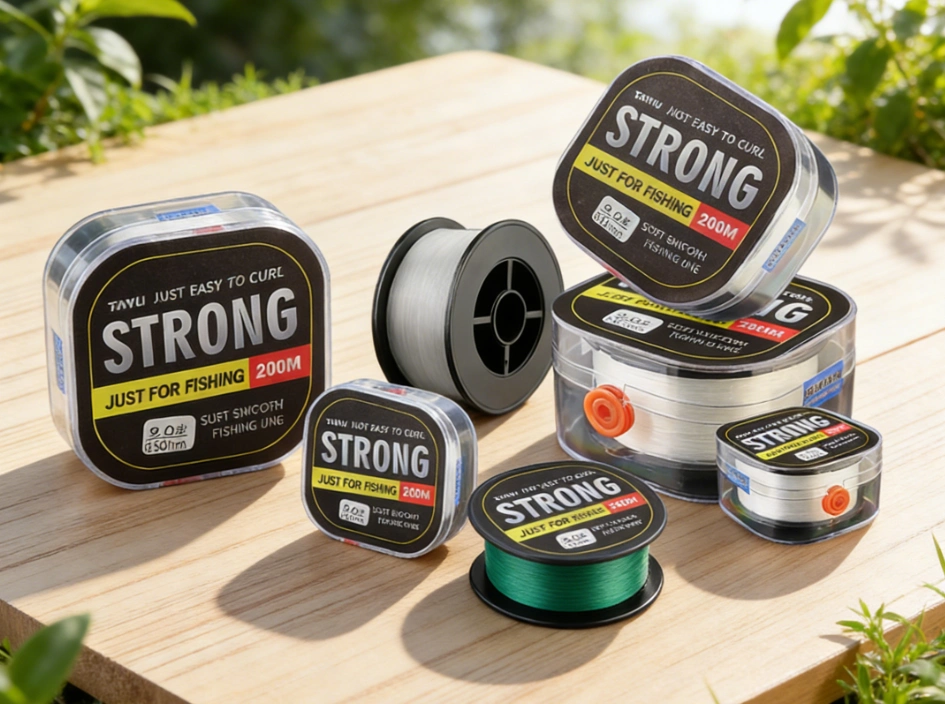
Many lines break since their loose parts snap under rub. A fine Strong Nylon String Fishing Line uses extra links to fight this harm. It holds up better in tough spots. Such strength saves your day on the line.
Knot Strength Compromise
When a guide cuts a line, it makes the width thinner. Most snaps occur at ties, so a hurt line drops half its hold power before you even catch a fish. This loss grows with each use. Strong ties matter most in key moments.
Sudden Tensile Breakage
You may set your pull right, but a cut line fails quick pulls. Good nylon takes hits, but only if the face stays whole and free of guide marks. Without care, breaks come sudden and often. Regular checks prevent these shocks.
Can Modern Rod Materials Prevent Guide Misalignment?
Low-price rods have parts that twist or rust, which tilts guides at odd spots. This boosts the “cut” feel on your line when you pull in.
Carbon Fiber Stability
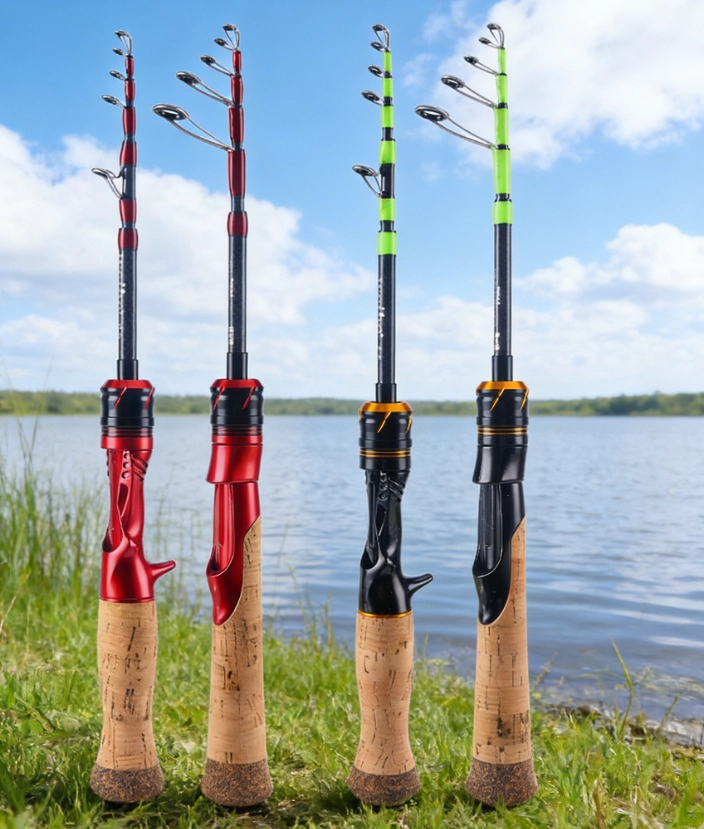
A portable carbon telescopic fishing rod aids since the woven carbon sheet gives a firm, strong base. It holds guides straight even under big weight. This steady build lasts through hard fights. It makes trips smoother and safer.
Thermal Expansion Management
Carbon fiber deals with heat shifts better than old glass types. Thus, the glue for guides stays firm, which stops rings from shaking or falling out in the season. Such care keeps tools ready. It avoids mid-trip fixes.
Guide Frame Durability
Top rods use steel or mix frames that fight sea mist rust, which often eats the guide base. When the frame holds strong, the ceramic part stays safe. This link ensures long use. Proper choice boosts overall life.
Which Industry Standards Ensure Your Gear Is Safe to Use?
Skip tools without tests. The field sets clear marks that split pro gear from cheap play items.
EN581 Safety Compliance
Though made for yard seats, these Europe rules for steady and weight hold often match in top tackle checks to make sure tools stand firm under stress. They guide safe builds. Following them cuts risks on water.
ISO Verified Manufacturing
An ISO-marked plant means a set way to test each guide before it ships. It checks that the ring fits right in the frame. This step builds trust. It leads to fewer fails in use.
Third-Party Quality Inspection
Sure gear comes from makers who let SGS or BV view their lines. This open way explains why some names last years while others fade. It shows real care. Buyers gain from this proof.
How Can Proper Maintenance Extend Your Tackle Lifespan?
Care goes beyond wash; it keeps the “slip” of guide parts to cut line pull.
Freshwater Rinse Importance
Salt forms hard bits. When sea water dries on guides, it leaves rough salt grains like fine sand. Rinse your rod with clean water after each trip. This simple act stops quick wear.
Ceramic Ring Protection
When you move rods, keep them from hitting each other. The ceramic in a guide fights rub well but breaks on sharp knocks. A basic rod cover helps a lot. It guards against travel harm.
Proper Storage Habits
Do not rest your rod on guides in the shed. Keep them up or in a holder. Long press on frames can bend them a bit, which harms throw range. Good store ways add years to tools. They keep parts true.
Why Choose Laike for High-Performance Fishing Gear Solutions?
Teaming with a skilled group means tools tested in over twenty lands. It brings the “good value” that far anglers want.
Decades of Export Expertise
With more than ten years in work, the group knows the gap between a rod for light days and one for pro meets. They have faced all and solved all. This know-how aids buyers well. It fits needs just right.
Comprehensive OEM Services
They give full help from own marks to picture plans. If you seek a set guide type or custom carbon weave, their build experts in the USA and Germany can tune it. This support speeds custom work. It meets exact goals.
Global Distribution Network
From Japan to Brazil, their goods gain praise since they take the chances for you. They provide round-the-clock aid and tech tips for more steps. This net reaches wide. It serves users everywhere.
FAQ
Q1: Can I just glue a ceramic ring back in if it pops out?
A: You can, but it is risky. If the alignment is even slightly off, it will create a friction point that shreds your line. It is usually better to replace the whole guide.
Q2: Does braided line damage guides faster than nylon?
A: Yes, braid is more abrasive. If you use braid, you absolutely must have high-quality ceramic guides like SiC or Alconite to prevent the line from cutting “grooves” into the rings.
Q3: How often should I perform the cotton swab test?
A: Ideally, do it before every major fishing season or after any incident where the rod was dropped or knocked against a hard surface.
Q4: Why does my line keep snapping at the tip-top guide?
A: The tip-top guide takes the most abuse and heat. Check it for tiny cracks or salt buildup, as this is the most common spot for “invisible” damage.
Q5: Are telescopic rods less durable than one-piece rods?
A: Not necessarily. Modern carbon telescopic rods use high-strength weaves that offer great durability while being much easier to transport without banging the guides.