
A fishing tackle box sample should be checked with the gear it is expected to carry. Measure the usable compartments, load the tray, operate every latch and hinge, expose the box to the moisture expected in use and review the retail packaging. A clean product photograph cannot show whether dividers lift, water remains trapped or a handle twists under a full load.
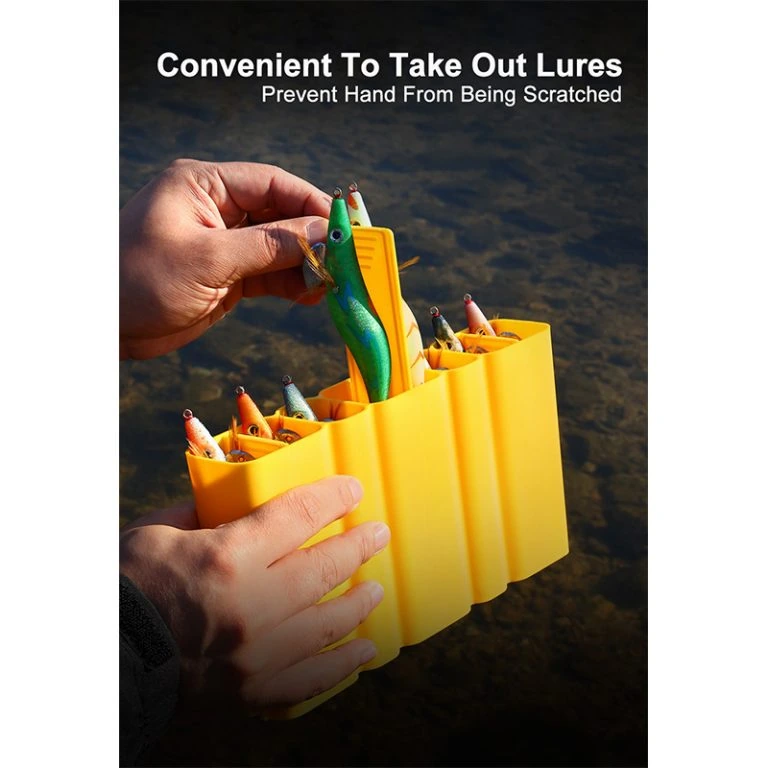
Define the Intended Load
Start the buying brief with actual contents. List the longest lure, widest body, tallest hook assembly and approximate total load. Note whether wet squid jigs, metal lures, swivels or dry terminal tackle will be stored. Compartment count means little if the cells do not fit the intended items or if exposed hooks can cross into the next space.
Le Laike 24 grid tackle box lists an overall size of 24 by 17.5 by 16 cm, a weight of 900 g and 24 cells arranged in three rows of eight. Each listed cell is 4 by 2.5 by 12 cm. Those measurements provide a starting point, but the sample should still be checked for usable internal clearance, corner radii and any lid structure that reduces space.
Prepare a representative loading set before the sample arrives. Include the bulkiest lure, a typical item, the smallest loose accessory and the expected number of pieces. Photograph the arrangement and record which cells are left unused. This exposes a box that looks spacious when empty but wastes too much room after real tackle is inserted.
Verify Dimensions and Compartment Fit
Measure the outside length, width and height at the same points used by the supplier. Then measure internal cells and note whether all compartments are identical. Moulded taper can make the base smaller than the opening. A lure that fits at the top may jam before it reaches full depth.
Check partitions for gaps along the bottom and sides. Small swivels, snaps or beads can migrate under a divider and mix with the next cell. With hooks, verify that points cannot project into a neighbouring compartment or catch the lid when it closes.
If the box uses removable dividers, install and remove each one. They should seat without excessive force and remain upright when the loaded box is carried. Save the approved divider layout with the product record. A future shipment with thinner or shorter dividers may look similar while performing differently.
Test the Lid Latches and Hinges
Operate each latch repeatedly with the box empty and loaded. The latch should close fully without bending the lid into alignment. Check that the engagement is easy to see or feel, because a partly closed latch can release during transport.
Open the lid to its normal limit and watch the hinge area. Look for whitening, cracking, loose pins, sharp edges or uneven movement. A moulded plastic hinge may flex by design, but the supplier should identify the material and intended construction. Do not assume every flexible strip has the same fatigue life.
Turn the closed sample on its side over a clean surface while holding it securely. The contents should remain in their assigned cells, and the lid should not bow enough to create a path between compartments. Repeat after the box has been opened and closed several times. Record the cycle count used for the comparison rather than describing the result as durable without a method.
Load the Handle and Body
A handle is tested by the full box, not by the empty sample. Load the planned tackle, close every latch and lift the box smoothly from a low height. Hold it for a fixed time, walk a short repeatable route and set it down normally. Watch for handle rotation, attachment movement, body distortion and latches that begin to release.
Do not use an improvised overload as proof of rated capacity. If a formal handle-load value is required, ask for the supplier’s test method and acceptance limit. The internal check should confirm that the approved configuration is comfortable and stable under the defined retail use.
Set the box on a flat surface and press lightly at each corner. Rocking may indicate body distortion or uneven feet. Stack samples only if the product is intended to stack, then check whether the lower lid carries a concentrated load from the box above.
Review Drainage and Moisture Control
The 24-grid model lists ABS and PP plastics and a drainage opening at the base. A drain can help water leave the box, but it does not make the container waterproof or keep stored tackle dry by itself. Verify where the opening leads, whether every wet compartment can drain and whether a hook or small component can block it.
Use a controlled splash or rinse that reflects the intended use. Keep the test away from electronics and follow the supplier’s care guidance. Observe where water enters, where it collects and how long the open box takes to dry. Do not describe a splash check as submersion testing.
Saltwater residue can remain on lures even after free water drains away. A box for wet tackle should be easy to open, rinse and dry. Check corners and hinge recesses for areas that trap debris. Users still need to dry metal tackle before long storage, because drainage alone does not prevent corrosion.
Compare the Product Position
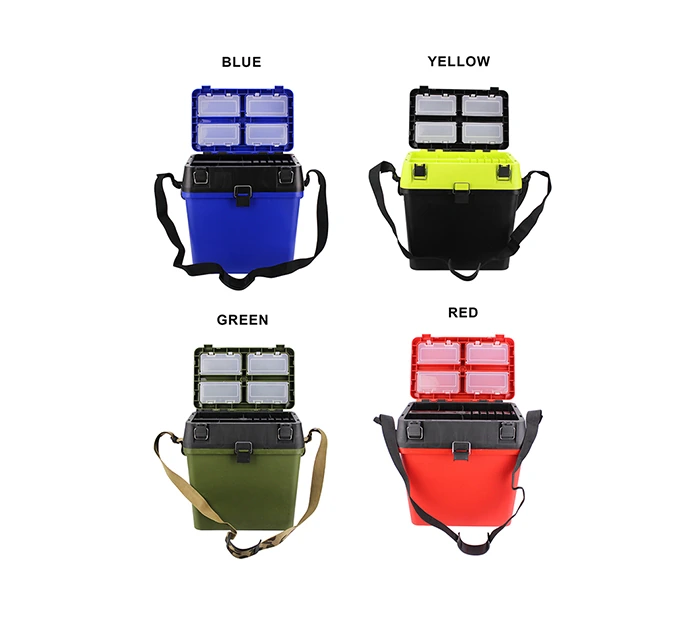
Le four color portable tackle box is listed at 360 by 370 by 200 mm and supports customized logo options. It serves a different assortment position from the compact 24-grid lure organizer. Buyers should keep these roles separate instead of comparing the products only by exterior size or color.
A compartment box may suit individually separated jigs and terminal pieces. A larger general storage box may be better for mixed tools, packs and broader kits. Define the channel and use before choosing. An online listing needs clear internal dimensions and photographs of the open layout. A store display also needs packaging that withstands handling and makes the latch and carrying format easy to understand.
The wider Gamme d’accessoires de pêche Laike can help a buyer select representative lures and terminal parts for the fit check. Keep any bundle provisional until every item has been placed in the exact sample.
Inspect Moulding and Finish
Review the sample under even light. Look for flash around edges, sink marks, sharp points, cloudy patches, incomplete moulding and color variation. Cosmetic limits should be agreed before production so an inspector can distinguish an acceptable mark from a defect.
Run a clean cloth around handles, compartment rims and latch contact points. The cloth should not snag. Check that a user’s fingers do not meet a sharp mould edge during normal opening, lifting or cleaning. Inspect the underside as carefully as the visible top.
Ask which parts use ABS, PP or another plastic and keep the answer tied to the item code. A material name alone does not prove impact resistance, weather life or food-contact safety. If the market requires a regulated chemical or safety claim, request the relevant current documentation for the exact material and product instead of inferring compliance from appearance.
Approve Color Logo and Packaging
Compare color under the same lighting and against an agreed physical reference. Screen images and digital color values do not show texture, gloss or batch variation reliably. If the range uses several colors, approve each one and label the retained samples.
Place the logo artwork on the real moulded surface. Curves, ribs and texture can make small text or fine lines difficult to reproduce. Confirm position, print method, color, size and acceptable alignment tolerance. Rub testing or adhesion testing should use an agreed method suitable for the decoration.
Review the retail label, carton and online copy together. Product name, dimensions, compartment count, material wording, color and included parts should agree. The Gamme de produits Laike provides context for creating coordinated tackle sets, but each box listing should describe only the contents actually included.
Create an Approval Record
The sign-off record should identify the item code, sample date, overall and internal dimensions, weight, material statement, color, divider layout, latch and handle observations, moisture check, logo version and package artwork. Attach photographs that show measurement points and the approved loading arrangement.
Keep one approved sample in controlled storage. At pre-shipment inspection, compare production with that reference and the written tolerances. Do not rely on memory or a photograph alone. A clear reference helps catch a changed divider, weaker latch fit or color shift before the shipment reaches customers.
Laike supplies fishing tackle across several product families. Buyers preparing an order can contactez Laike with the target contents, compartment dimensions, expected load, logo file, packaging format and inspection requirements. That brief gives the sample review a measurable purpose.
FAQ
What should go into a tackle box sample test
Use the longest, widest and heaviest items expected in the final assortment, plus small loose parts that could migrate between compartments. Test the proposed quantity and layout rather than a few convenient pieces.
Does a drainage hole make a tackle box waterproof
No. A drain helps water escape. Waterproofing concerns water entering the closed box and requires a separate defined test. Confirm the intended claim and method with the supplier.
How many times should the latches be opened during approval
Use a repeatable cycle count that reflects the comparison you need, then record it. For a contractual durability requirement, agree the formal method and pass criteria before testing.
Should buyers approve every tackle box color
Yes when color consistency matters to the range. Keep a labeled physical reference for each approved color because screens do not reliably show surface texture, gloss or production variation.
What records should be kept for repeat orders
Keep the dated specification, measurement points, loading layout, inspection results, artwork, packaging version and an approved physical sample. Reapprove the product when a material, mould, latch, divider or decoration changes.