
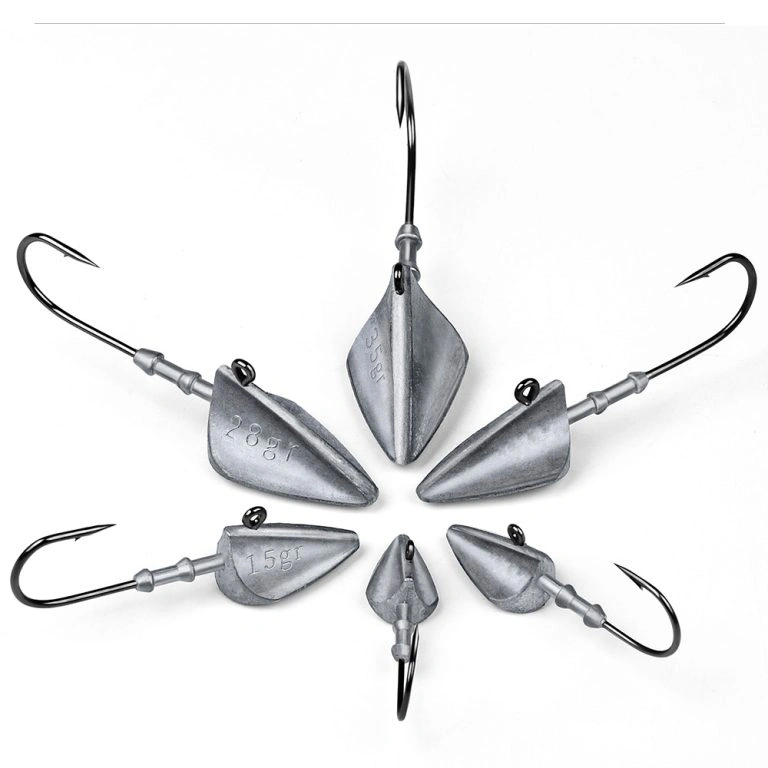
A jig-head photograph cannot show whether the line eye is partly blocked by paint or the keeper tears the soft bait you plan to use. Even a correct-looking sample may arrive in a bag marked with the wrong weight. Put the physical sample beside the order specification and intended bait before approving it. Each answers a question the photograph leaves open.
Decide what this particular sample can prove
Give each variation its own sample identity. Record the product code and nominal weight with the proposed hook, relevant dimensions, finish, colour and pieces per pack. A photograph showing six sizes can introduce the range, but it cannot serve as the acceptance record for all six.
Then ask which details can still change. “Colour approved” can easily become “sample approved” when an email is forwarded, taking the hook, keeper and pack along with it. Write the limit of the decision.
In a sample discussion with Laike, label proposed buyer checks as proposals. A tolerance enters the order when both parties accept it. Until then, it is not an established factory rule.
Does the piece match its label?
Match the bag to the requested variation before judging workmanship. Laike’s Lead Jig Head Fishing Hooks page lists 7, 10, 15, 21, 28 and 35 g options, along with different overall lengths. This is a reason to identify the individual sample—not evidence that every weight shares one hook.
Place each piece on a scale that can resolve the agreed limit. Write down individual readings. An average of one light and one heavy head can look reassuring while neither piece is right. If the product includes accessories, the specification must say whether they sit on the scale too.
Write the weighing condition and allowed variation before the result appears. A percentage borrowed from another jig is no answer. Near the limit, repeat the reading on equipment that can actually resolve the difference; a coarse display should not be rounded into a pass.
Look through the eye, then along the hook
Hold the eye against good light. Paint or casting residue is easy to spot there; a rough line-contact edge needs a closer look even when the opening is clear. Set the sample beside the reference and compare shank, bend and point position.
Measure what controls bait fit. The package may keep the same hook number even after a shank-length change, and the point will then emerge elsewhere in the soft body.
Skin is not test equipment. A rolled point, visible damage or heavy paint can be photographed without pressing the hook into a finger. For strength or penetration, use a defined setup and limit agreed with the supplier or an appropriate laboratory. A hand pull has no controlled load.
Put the real soft bait on it
Lay bait and jig beside each other first. Mark where the hook ought to emerge, thread it, and turn the rig through two views. A straight side silhouette can hide a sideways bend visible from above.
Has the nose bunched or split? Turn the rig and see whether the body runs crooked. Check that the hook leaves room for the tail. A useful keeper holds the chosen bait without destroying its nose on the way in.
The result belongs to this bait shape and material. It cannot quietly cover a whole mixed assortment. Record the bait name or code beside the sample, and give any commercially important second bait its own check.
For a simple water check, use the same bait, line arrangement and pace for each candidate. Persistent rolling, repeated slippage or a crooked body deserves a note, but re-rig once before blaming the head. Call this a functional sample comparison, not proof of catch performance.
Colour approval is not a durability claim
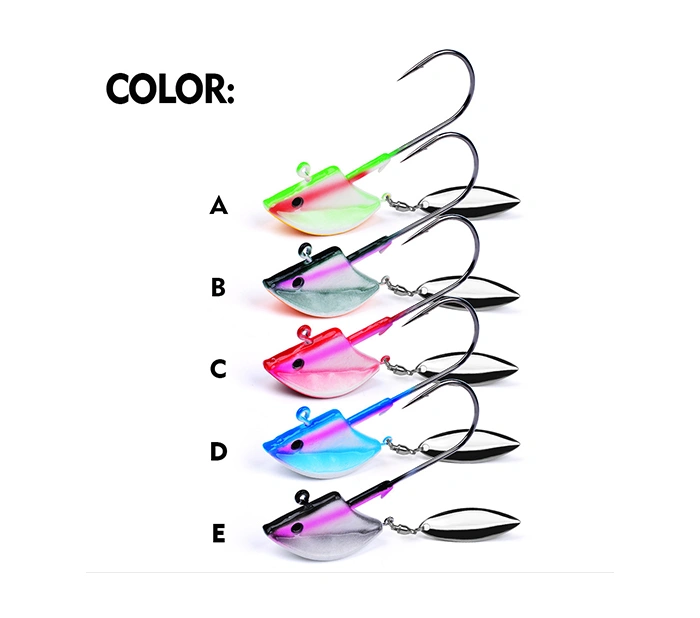
On Laike’s 5 Colors Jig Head Hook page, Jig049 is described with a lead core, high-carbon steel hooks and a 3–57 g weight span. Name the ordered colour and weight in the quotation. The page does not establish one pack containing every possible combination.
Use the same lighting as the retained colour reference. Pay special attention around the eye, keeper and head-to-hook joint. A harmless shade difference and coating that blocks rigging are not the same problem, so don’t assign them the same correction.
A good-looking finish has not proved a corrosion life or durability level. Where an exposure result matters to the order, decide the method, duration and pass point in advance. The report also identifies the exact sample placed in the test.
Let the package have its own trial
Open the assortment and try to pick the requested weight without guessing from tiny size differences. Then handle the pack normally. Do hooks puncture the bag, scrape neighbouring heads or form a tangle?
Take one photograph before opening and another afterwards. Link the artwork revision to the product revision. If the illustration depicts a specific rig or bait, put the component inside to that use and see whether the picture makes sense.
Shoppers need the identity, weight and quantity more than a dense row of adjectives. A broad performance statement with no evidence should come off the pack.
Freeze the correction, not a vague intention
“Improve quality” gives a factory nothing measurable. Point to the eye, keeper, colour or pack count that needs correction. Say which result was expected and attach the marked sample record.
Laike’s customization process includes sample review and version confirmation before mass production. Use that point to freeze the agreed details. A later hook, keeper or finish change should reopen the affected checks instead of silently inheriting approval.
The approved handful says nothing about every piece in a later shipment. Set production sampling and defect rules for the order, then give the inspector access to the labelled reference.
Send a request somebody can answer
Contact Laike with the chosen variations, intended bait, package and unresolved inspection questions. After correction, request confirmation of the exact new version. The paperwork has done its job when a colleague months later can still connect sample, order and shipment.
Write the bulk-order release conditions
Once the jig-head sample passes, copy the accepted characteristics into the purchase specification: hook size and position, eye opening, head shape, finish reference, weight tolerance, pack quantity and the compatible soft-bait size. A photograph can support the record, but the written dimensions and reference sample should carry the decision.
Find out how the production lot will be marked and which inspection record will arrive with it. If the buyer’s concern is colour, plating or hook sharpness, agree how that feature will be checked and what it will be compared against. A promise of consistent quality is difficult to enforce without that shared reference.
Retain the approved sample through shipment close-out. At the first carton check, record differences against it and hold the affected pieces for a decision. This preserves a direct link between the sample approval and the delivered lot, without relying on someone to reconstruct the agreement from messages.
Check the record at receiving
Use the agreed inspection plan to choose cartons and pieces at receipt. Check their hook, eye, finish, weight and pack count against the accepted reference, and photograph the lot mark. Similar appearance is not enough: a changed hook size or bag count can be easy to overlook in an otherwise familiar shipment.
Describe an exception with measurements or an identifiable specification difference, then keep the affected stock separate. If a correction is accepted, document that decision rather than quietly replacing the original reference sample. The receiving record should show which version the purchase specification approved and how any later difference was resolved.
Short answers for buyers
Choosing a sample count. Order size, expected variation and defect severity all affect it. One favourable piece cannot demonstrate consistency.
Can a photograph replace the sample? No. It cannot show blocked eyes, weight, rough contact edges or bait fit.
Does correct weight prove the hook is correct? No. Weight and hook geometry are separate checks.
Weight tolerance. There is no universal one. Set it with the measuring method for this order.
The retained set. Keep the labelled piece with the final specification, package revision, approval note and any agreed test report.