
Suppose the box says the spool holds enough line for your order. Enough of which line? That missing detail can undo an otherwise sensible reel comparison. A thicker line takes up more room, so the length on the box may tell you little about the combination you plan to sell. I’d put the supplier’s line reference beside your own before deciding that the capacity is suitable. Include the unit as well; a large number isn’t necessarily a larger capacity.
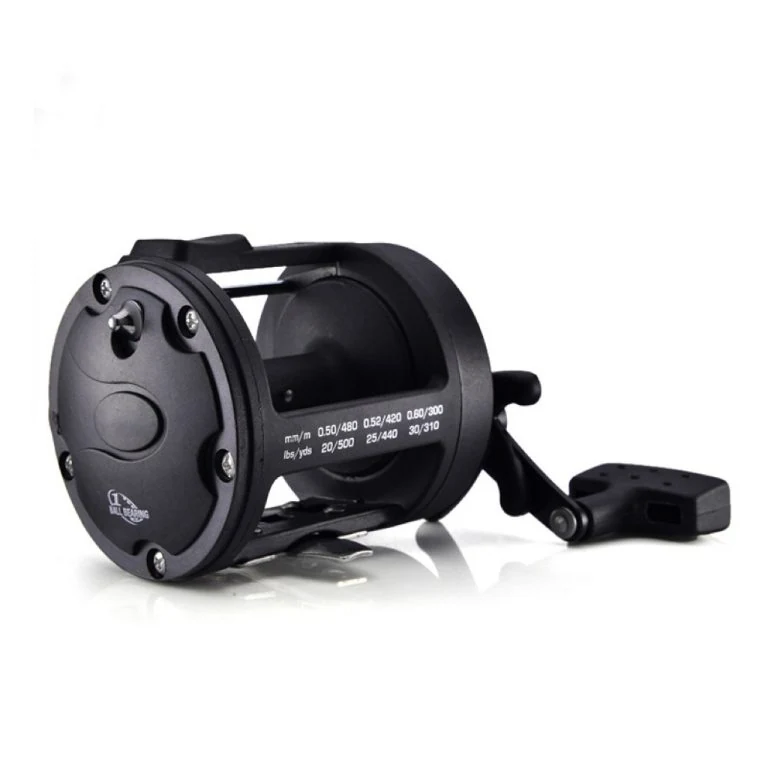
Separate the Reel Model From the Line Rating
Start with the code on the actual sample, including its spool option. A reel family name is too broad if several sizes sit under it. You may find a mono reference on one label and braid on another; one may give diameter while another uses a test class. Read the length unit as part of that reference. I wouldn’t rank the two reels yet if those details differ. There is a question for the supplier before the numbers become a useful comparison.
For this trial, I’d set aside one spool of the line intended for the order. Winding the same diameter from that spool onto each reel removes one obvious source of confusion. A line counter can help with the length, with winding stopped at the clearance specified by the reel maker. More metres won’t help if the extra winding produces loops or makes the line release badly. Record what happened during this trial as a sample observation. It isn’t a published capacity test.
Laike‘s fishing reel range lets buyers review reel types. If the same program also specifies nylon line, compare it with the official monofilament line category. Do not assume every reel and line in those categories have matching ratings.
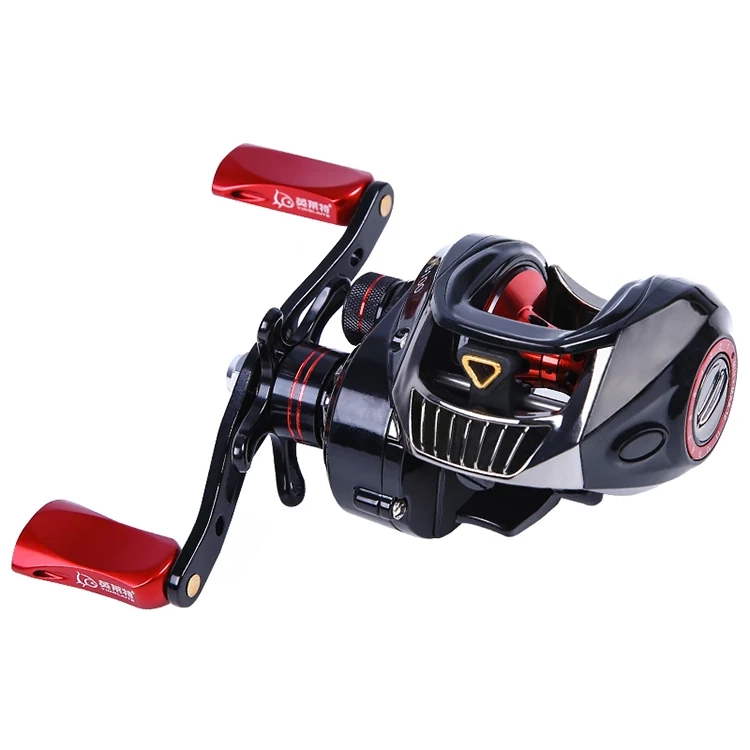
Make the Capacity Comparable Across a Retail Range
A bare capacity number is awkward to inherit when you’re updating somebody else’s catalogue. Was it for mono, and in which unit? Save the next editor that detective work by keeping the line reference with the length: type, diameter or test class, and unit. I’d keep the supplier’s original figure on file even when the catalogue needs a conversion. Save that calculation too, so somebody else can check it without starting over.
The strength printed on the line isn’t a substitute for its diameter. A different line with the same strength rating may occupy more or less of the spool. If all you have is a line class, take that query back to the supplier. You need the standard or particular product behind the class, and an explanation of whether the length came from a measurement or an estimate. I’d file the reply with the model sheet, not leave it in a separate conversation.
Check the Reel in a Sample Review
During winding, look for a pile of line developing in one part of the spool. The loaded length alone won’t reveal that. While the sample is in your hands, give the bail, roller, handle and drag adjustment some attention as well. An awkward movement is a reason to ask another question before signing off the description. Even a sample that feels smooth needs further evidence before anyone makes a durability claim; this short handling check can’t provide it.
For a buyer’s inspection sheet, keep a small record with the reel code, line type, diameter, loaded length, spool fill, and observed line release. Ask Laike to confirm the exact capacity for the selected reel through its product inquiry channel. The Laike product catalog can help buyers compare the current range, while the model-level record should govern the order.
Calculate Capacity With the Line You Will Sell
The physical space hasn’t changed when you change line. What changes is how much length will fit into it. Actual diameter matters, as do line lay and the fill level the manufacturer permits. A mono figure therefore shouldn’t quietly become a braid figure on a product sheet. I’d want a new line reference behind that change. The old length may still look plausible on the page, but it no longer describes the combination you are offering.
Write the required length beside the target line type and diameter. If that length is essential to the order, get the supplier to distinguish a nominal figure from a value established by a defined test. Check the specified fill limit at the lip too. Right to the edge may encourage uneven release; a large empty margin gives away usable line. I’d follow the clearance for the reel being tested, even if another fill level would produce a more attractive number.
A combined reel-and-line order gives you the chance to review the pair before committing to it. Wind the proposed line onto the proposed spool, using consistent tension and method. Write down where the fill ended, along with line model, diameter and loaded length. Otherwise a later lot has nothing useful to be checked against. The width of an empty spool isn’t an answer to this question. Nor is a comparison in which you changed the line as well as the reel.
Keep the Reel and Line Specification Together
An unfinished fishing brief produces an unfinished RFQ. That is preferable to guessing. I’d work through the intended reel and spool, then the line and any relevant handedness. Packaging and private-label details belong in that brief too, with a gear ratio where the application requires one. ‘Saltwater’ still leaves me with questions about exposure and expected maintenance. Until those are answered, I wouldn’t turn the word into a claim about corrosion resistance.
Before approval, compare the selected fishing reel with the intended line and retrieve use, then review the monofilament line description. Ask for the model sheet or sample when the listed capacity basis is unclear. Record approved model numbers and line assumptions on the same purchasing document so the reel is not evaluated in isolation.
Check the Spool Against the Fishing Use
Capacity has a purpose: leaving enough line for the intended method after rigging and any line removed during use. Decide what reserve is needed before looking for the biggest box figure. A short cast in a confined spot and a setup allowing for a longer run don’t necessarily need the same reserve. If nobody has specified how the reel will be used, that is the question to take back to the buyer.
Shallow and deep versions deserve their own quotation entries. I’d check the spool option, retrieve setup and line reference on each one, even if the model names look almost identical. A copied capacity can easily survive a change to the rest of the listing. Before approving it, read it back as a description of the sample you actually have, rather than checking the number in isolation.
Keep the Approved Combination Traceable
Tie the approved sample, reel code, spool option, line reference and carton description to the same order revision. If a substitute line or spool is proposed, request its capacity statement and repeat the sample winding check. The point is a claim purchasing, sales and customer service can explain consistently. A wholesale buyer doesn’t need to turn every sample review into a laboratory program, but does need to know which configuration the figure describes.
Key Takeaways
- Start with matching line references and units; only then do the two capacity figures mean enough to compare.
- The code on the sample, the box and your product sheet should describe the same reel and spool option.
- Use a controlled sample check for line loading, not an improvised capacity claim.
FAQ
Q1: Why can two reels list different line capacities?
A: The two numbers may describe different lines rather than different amounts of usable spool space. I’d go back to the model variant, diameter and unit first. If the packaging and model sheet still disagree after that, ask for a correction before the carton artwork goes ahead. Otherwise the retailer inherits the unresolved question.
Q2: Can buyers compare monofilament and braided-line capacity directly?
A: Only after establishing the reference for each. Mono and braid, and different actual diameters, don’t necessarily occupy the same spool space for a given length.
Q3: Should a reel be filled to the spool rim during a sample check?
A: Use the maker’s fill guidance for that reel. Filling beyond it to squeeze in more line can create release problems and makes the handling check less useful.
Q4: What should appear in a wholesale reel specification sheet?
A: I’d keep the source label and full model code together, then record which line the figure refers to. Include its type, diameter or test class, and the length unit. A length on its own leaves the reader guessing about the line and spool behind it.
Q5: Where can buyers verify a Laike reel capacity?
Take the selected model code to Laike and ask which line was used for its capacity figure. You can then judge whether that is the line your order calls for. Keep the reply where the next person updating the listing can find it. It is also the reference I’d return to if a substitute line or spool were offered.