
Creating a retail nylon fishing line program to sell is easier if each spool has a clear function and one can check each technical claim against reality. The following is a framework for thinking through diameter, strength, stretch, packaging, sample testing, storage etc. with questions that a distributor would want to have answered before ordering for the first time.
Key Takeaways
An assortment of nylon fishing lines should be based on application areas and clearly defined specifications for comparison by customers. The stated diameter and breaking force must be checked for a sample, the knots must be tested, and the labels must use the same units. Although nylon has some stretch, the line’s properties change with heat, sunlight and wear; nothing replaces a simple check of a sample.
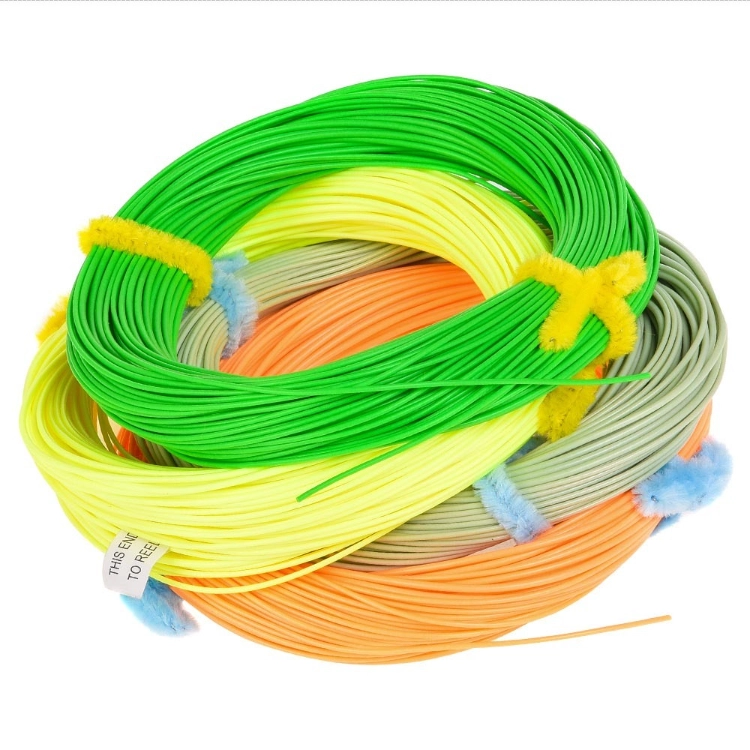
Define use before selecting line sizes
In practical terms, a diameter range is only useful if tied to a particular application. A line designed for general use on fresh water might be best judged by its ease of handling and knotting. Cover lines or lines for larger fish have a different balance of factors to consider: diameter, strength and amount of line that can be piled on a reel. Abrasion from saltwater may also need to be considered.
Methods, water types, cover, reel sizes and customer priorities need to be covered by the product assortment. A thicker line may give the extra reserve strength required for rough structure, but may restrict spool capacity and casting ability. A thinner line will cast easily but does not have the same margin for error as the thicker line and should not be marketed as a universal line.
Separate label claims from test conditions
Measuring breaking strength involves a number of variables such as knots, wetting, pull rate and sample length. Find out whether a quoted figure is for straight-line or knotted strength and how it was tested. Do not compare results obtained by different test methods as if they were equivalent.
Check the listing for the Laike nylon line you are interested in to see the exact product identity and available specifications. If a specification such as diameter, strength or test method is not listed then please ask for it instead of assuming it from the product name.
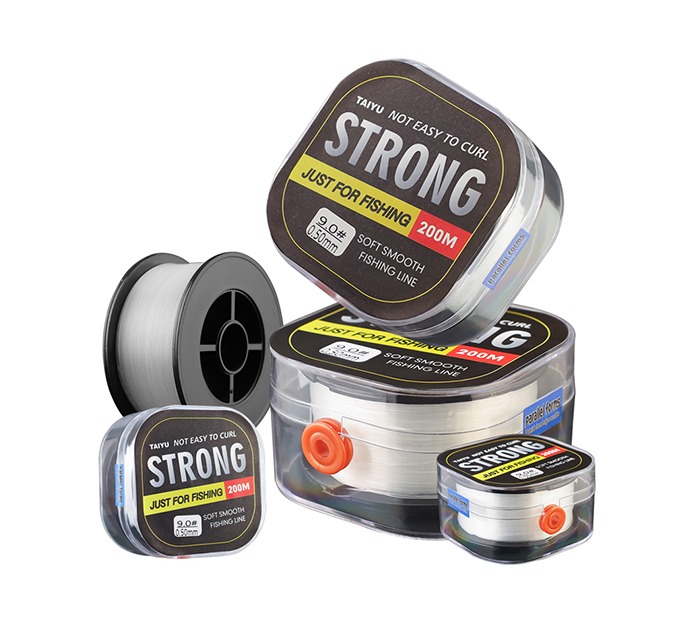
Explain material trade-offs accurately
A nylon monofilament line stretches under load, which enables it to have some elasticity and to absorb a sudden shock of pressure. However, a line of low stretch will generally be more sensitive than a nylon monofilament line. This added sensitivity is affected by the type of hook, the action of the rod, the distance to be covered by a cast, and the manner in which the angler uses pressure to deal with a hooked fish.
Conditional Abrasion Resistance – diameter, formula, surface finish, contact with rock, timber or shell etc. A single pull test does not replicate repeated rubbing in the field. Describe application fit with reference to product evidence where it exists.
Consider a different family of lines, such as fly fishing line, as separate use cases to the general monofilament line. Check the construction and the proposed rigging for these lines before comparing like with like.
Run a repeatable sample check
Check spool and label
Document diameter, strength, length, color, material and units. Verify that the information on the spool, retail package and order documents all contain the same information. If both metric and imperial values are being used, determine how they will be converted and rounded before approving the final artwork.
Compare knots consistently
Test candidates using the same setup: same knot, sample length, wetting and pull method. Test multiple samples and note if failure occurs at the knot or elsewhere along the line. This helps to distinguish between setup inconsistency and true setup differences.
Check handling and storage
Wind line onto a compatible spool and assess memory, twist, and handling after it rests. Cast with a representative rod and reel if a casting claim matters, and record the setup. Store samples away from direct sunlight, excessive heat, and solvents. Inspect aged stock for discoloration, roughness, or damaged sections.
Build an assortment around meaningful differences
Try to make a decision for the customer with every size or color you offer. Too similar SKUs confuse the way they are stored and inventoried, too few offer no viable alternative to the angler. Create a matrix that outlines application, verified diameter, test results and package size. Use color or spool length only where the market has already defined these differences.
Please provide samples of the approved lines with the planned packaging for the requested item codes for the order. We will keep these as approved references for future repeat orders with the same label.
Read a nylon line specification correctly
Diameter is a handling variable
Diameter determines the capacity of the spool, the seating of the knot, the feeling of the casting and the amount of line that is exposed to rough structure. The diameter does not make a complete quality statement. Two lines of the same diameter can behave very differently. It can be caused by differences in the formulation of the line, the surface structure of the line and the production consistency. Ask for the measurement basis and the rounding. With this information you can better compare item numbers in a catalog.
Strength needs a test context
Measuring the breaking strength of rope requires a method. Measuring the straight line pull as opposed to a knotted pull, using wet testing as opposed to dry, and testing at different pull rates can all yield different results. Ask your supplier what method they are using, how many samples they test to arrive at the figure and whether the published figure is typical or minimum. Laboratories’ test results are not warranties of performance in the field.
Stretch changes the buyer decision
While stretch helps absorb sudden shock, it reduces sensitivity to bites at longer ranges. The optimal level of stretch depends on many factors including the action of the rod, the type of hook, the action of the lure and the angler’s technique. Instead of labeling one line as the “best”, a distributor can better describe its intended use.
Design an assortment that a salesperson can explain
Use an application ladder
Recommend that line sizes be organized in a logical order of light general use, heavier cover use, larger lures or larger fish, etc. Specialist lines where there is actual evidence to support them should also be considered. Each line size should have a set diameter, length, color, and tested value for strength. If there is no clear reason for two different SKUs, it may be recommended to eliminate one.
Keep packaging and technical data aligned
Make sure that the spool, retail card, carton and online listing all refer to the same item code and units. Verify translations, decimal points, length and breaking-strength units before approving the artwork. A product that is technically correct can still result in returns if the label and sales page describe different sizes.
Plan samples around the real channel
An online seller will require clean photography to showcase products easily in comparison to competitors, whereas a tackle shop would require packaging that can be picked up and put back on the display hook repeatedly. Review the planned packaging sample prior to the bulk order being dispatched. Check how the line will be protected from dust, crushing and uncontrolled unwinding. This review should occur prior to the first shipment arriving.
Make quality checks repeatable
Use a small internal test record
Documentation for a consistency check includes the sample date, item code, spool length, nominal diameter, test method, knot configuration, wetting and testing, pull equipment and point of failure. These checks are repeated on more than one sample. The intention is not to establish a new laboratory test value but to check whether a delivered batch is of the approved item.
Inspect line after handling
Run a short section of cord through clean hands to search for rough edges, flattening, discoloration or other ‘unexpected memory’. Then wind it onto a sample spool and leave it for a specified time period. Check the twist and flex the cord occasionally. This type of test will expose any problems with storage or packaging but should not be referred to as a formal performance test.
Confirm storage guidance
Request a supplier to provide written handling guidance for samples and reflect this in your warehouse procedures. Reference samples must be stored away from direct sunlight, high temperatures, solvents and sharp edges. Samples for comparison of old and new production must be stored under similar conditions. Aging of samples could be misinterpreted for variation in production.
FAQ
Does thicker nylon always mean stronger line?
No. While diameter is a factor, many other factors including formula, consistency, knots, and test method influence measured strength.
How often should fishing line be replaced?
There is no one time frame for all uses and storage conditions. Check for wear, flattening, staining, roughness and damage after it has been in contact with the cover.
What should a distributor request before ordering?
Request a specification sheet and ask for sample spools for testing, packaging artwork, quantity, and test method. Contact Laike with specific target diameters, lengths, colors and markets.
Make the range easy to verify
First define the use cases for your new functionality. Then compare test data of similar nature. Approve the actual spool and label before you order it. Browse the Laike tackle range and get confirmation of the item-level details before you rely on generic copy to order.