
Novice anglers frequently encounter terminology confusion when shopping for starter tackle, particularly regarding the physical distinction that defines fishing pole vs fishing rod setups. Many casual buyers treat these terms as interchangeable, yet their internal mechanics and field applications differ fundamentally. Grasping this distinction helps beginners avoid purchasing improper equipment for specific water environments and ensures commercial buyers stock retail shelves with accurate merchandise. For deep tactical insights, reference Fon Fishing’s Fishing Pole vs. Rod Breakdown.
For wholesale importers and retail brand owners looking to source reliable tackle, partnering with an experienced manufacturing partner is essential. Tianjin Laike Trading Co., Ltd., operating through its primary export portal Fon Fishing, brings over a decade of direct production expertise in the commercial tackle sector. Backed by an in-house manufacturing base in Weihai and a vetted network of over 200 partner facilities, Laike supplies more than 500 catalog items to clients across 31 countries. The company provides full OEM/ODM customization supported by BSCI certification and 16 consecutive years of third-party quality compliance inspections.
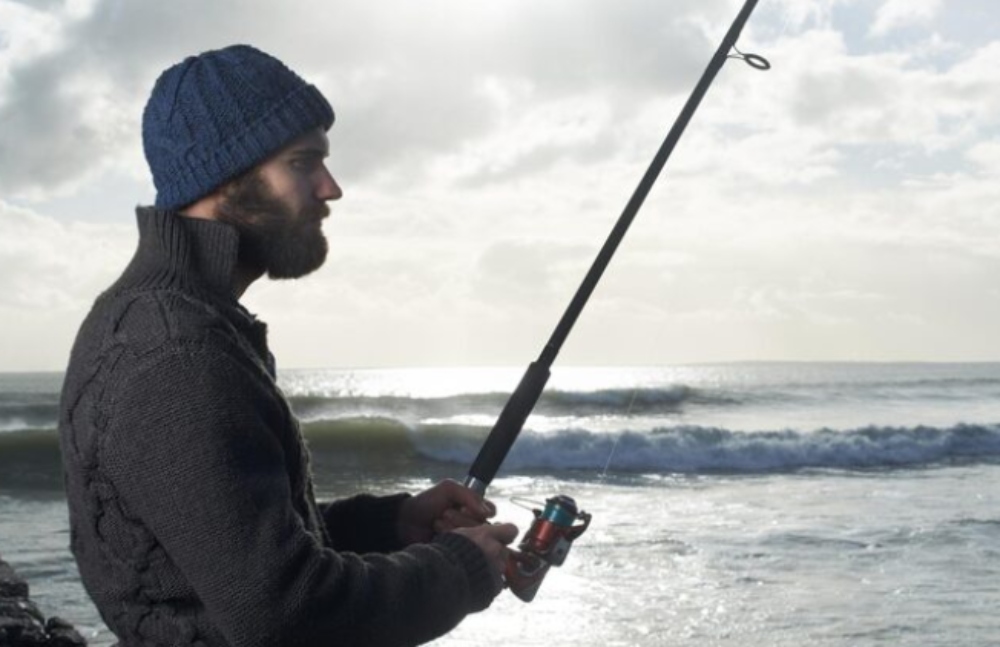
Is There Actually a Physical Difference Between a Fishing Pole and a Fishing Rod?
Navigating the equipment market requires clear mechanical definitions. Without understanding how line management systems operate, buyers risk selecting gear that fails to meet target casting requirements.
Fixed Line Setups vs. Variable Spool Line Control
Traditional fixed-line poles attach the fishing line directly to the blank tip, restricting casting reach strictly to the physical length of the pole itself. In contrast, modern rod assemblies hold hundreds of meters of line on an attached reel, allowing variable depth control and infinite line payout during a fight. This mechanical divergence dictates how anglers handle fish in open water versus confined spaces.
Structural Presence of Line Guides and Reel Seats
Modern rods incorporate engineered line guides, such as ultra-thin FUJI rings, designed to dissipate line friction heat rapidly during high-speed line output. These guides distribute mechanical stress evenly along the carbon blank. Additionally, rigid reel seats lock mechanical reels securely in place, whereas traditional poles omit reel seats entirely.
Material Evolution from Simple Cane to High-Modulus Carbon
Traditional poles rely on raw bamboo or thick fiberglass construction, resulting in heavy handling and limited flex recovery. Engineered modern rods leverage 30T and 40T high-tensile carbon cloth, which delivers rigid sensitivity and instant vibration transmission from the submerged lure straight to the hand.
How Do Mechanical Differences Impact Real-World Fishing Performance?
The physical variance between traditional fixed poles and engineered fishing pole vs fishing rod hardware directly dictates tactile feedback and fatigue management on the water.
Sensory Transmission and Handle Thermal Stability
Handle construction influences how minor vibrations travel through the blank. Natural Mediterranean oak cork handles withstand thermal stress up to 150°C with near-zero water absorption, ensuring stable grip traction during prolonged casting sessions. This material purity allows subtle strikes to register clearly without dampening tactile feedback.
Product Highlight: Fon Fishing Cork Handle Fishing Rod Series
For commercial buyers sourcing high-modulus carbon rods for stream trout, bass, and light-lure presentations, the Cork handle fishing rod integrates natural Mediterranean cork grips with high-tensile carbon blanks. This configuration delivers the tactile sensitivity required for micro-lures while retaining sufficient backbone to absorb sudden directional changes from hook-set to landing.
Drag Force Mechanics and High-Stress Line Payout
Precision alloy gears combined with carbon-wash drag systems deliver a smooth 0-tooth-feel retrieval under load. This mechanical precision prevents line snaps caused by sudden, violent runs from pelagic or heavy freshwater game species.
| Equipment Category | Line Management | Guide & Seat Structure | Primary Application |
|---|---|---|---|
| Traditional Pole | Fixed line tied to tip | No guides, no reel seat | Shallow panfishing, fixed-depth dock fishing |
| Modern Rod | Variable spool via reel | FUJI guides, rigid reel seat | Precision casting, deep-water jigging, heavy game |
Which Equipment Setup Fits Your Target Fishing Scenario?
Matching tackle specifications to actual environmental conditions prevents gear failure and optimizes retail inventory turnover.
Simple Pole Applications for Dock and Shallow Water Angling
Fixed-line poles serve specific, localized niches effectively. They suit shallow pond angling, dock fishing for panfish, and fixed-depth presentations where casting distance and complex reel mechanics are unnecessary. Beginners learning basic fish handling often start with fixed setups due to their low operational complexity.
Modern Rod and Reel Setups for Offshore and Big Game Battles
Heavy offshore and deep-water fishing demands high-rigidity frames, stainless steel internal bearings, and massive carbon drag systems. These engineered components absorb extreme impact forces generated by large saltwater species during sustained deep-water fights.
Product Highlight: Fon Fishing Big Game Spinning Fishing Reels
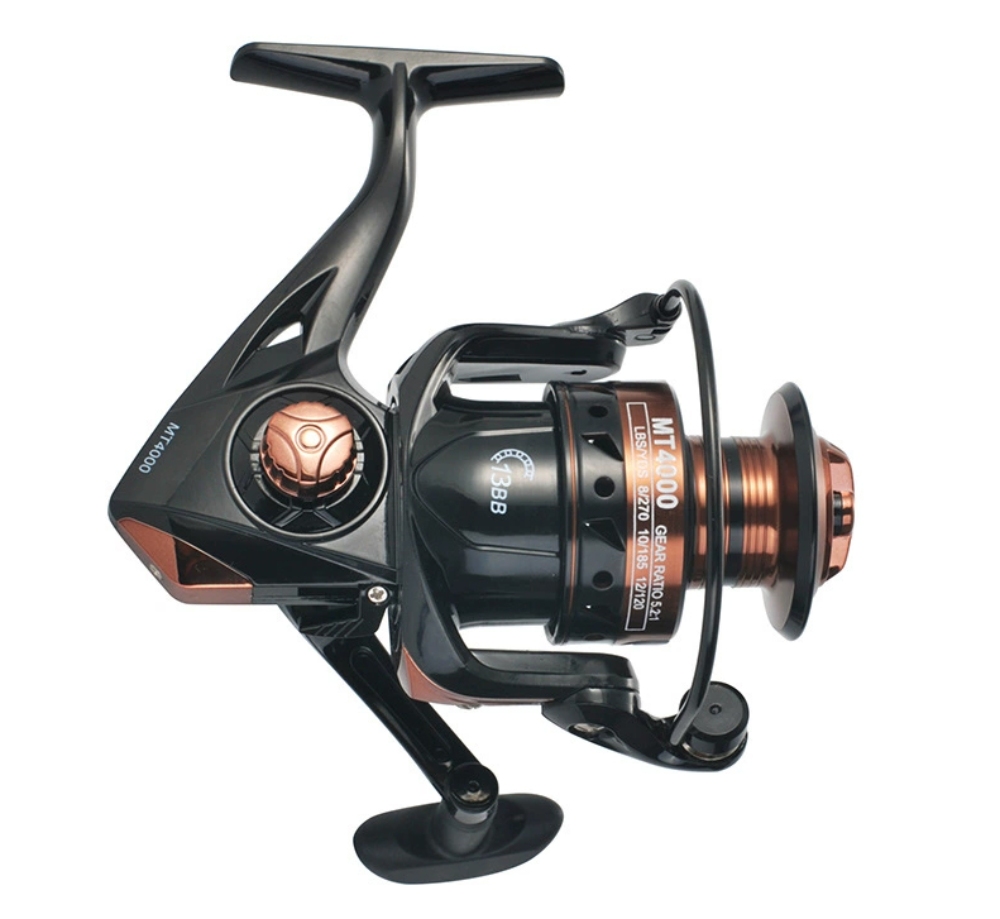
Designed for heavy saltwater trolling and deep-water jigging, the Big Game Spinning Fishing Reels feature reinforced metal bodies and precision drag systems built to withstand corrosive marine environments and intense load pressure.
How Can Wholesale Importers Select the Right Tackle Mix for Retail Growth?
Retail success depends on balancing entry-level accessibility with professional-grade durability across product categories.
Bridging Entry-Level Demand with Tournament-Grade Durability
Sourcing high-spec carbon rods and metal reels directly from established manufacturers allows brands to supply tournament-ready tackle at competitive retail price points. Importers must evaluate whether candidate suppliers control raw material selection rather than relying on assembly-only outsourcing.
One-Stop Sourcing Across Certified Supply Chains
Managing fragmented component vendors increases logistics overhead. Laike consolidates procurement through its Weihai manufacturing site and an audited network of over 200 partner facilities, supplying more than 500 product models across 31 countries.
Quality Assurance and International Compliance Standards
Operational consistency requires strict compliance frameworks. Manufacturing facilities operating under ISO standards and BSCI audits—backed by 16 consecutive years of third-party SGS, TUV, and UPS inspections—mitigate quality risks for international buyers.
How to Contact Tianjin Laike for Custom OEM/ODM Tackle Orders?
Developing private-label catalog lines requires structured communication regarding mold design, material tonnages, and component specifications.
Tailored Customization with 6,000+ OEM Molds and In-House Design
Access to over 6,000 existing production molds—combined with engineering insights from United States and German consultants—enables rapid private-label development for custom rod and reel lines.
Flexible Payment Terms and Dedicated 1V1 Support Services
Accommodating small trial orders and bulk container shipments requires flexible commercial structures, including standard T/T or L/C payment options and 24/7 dedicated support with production tracking updates.
Direct Procurement Inquiries and Catalog Requests
Buyers examining material specifications, component grades, or custom packaging options for a fishing pole vs fishing rod retail lineup can contact the engineering and sales team at Fon Fishing to request sample kits and OEM catalogs.
FAQ
Q: How do differences between a fishing pole and fishing rod affect beginner purchasing decisions?
A: Beginners evaluating a fishing pole vs fishing rod decision must consider water depth and target species. Poles suit simple, fixed-length shallow water fishing, whereas rods with reels provide the variable line control required for lure casting and deep-water retrieval.
Q: Why is natural cork preferred over synthetic handles in high-modulus rods?
A: Natural cork offers superior heat resistance (up to 150°C), near-zero water absorption, and exceptional tactile sensitivity for direct blank vibration transfer. It cleans easily from sediment and maintains structural grip texture over extended field use.
Q: What OEM customization options are available for private-label fishing tackle?
A: Through Laike’s manufacturing services, buyers can customize blank material composition, handle configurations, guide ring selections, reel gear ratios, and retail packaging. Access to over 6,000 existing production molds allows brands to launch custom tackle lines efficiently.