
Good Fishing Reel Maintenance is not only about making a reel look clean. It protects the spool lip, line roller, handle, bearings, gears, and drag system that decide whether your next cast feels smooth or rough. Sand, salt, dried bait residue, and old grease can make a reel feel heavy long before it actually breaks.
Laike is a fishing tackle supplier covering fishing reels, rods, lures, lines, hooks, accessories, and one-stop fishing tackle procurement. For buyers serving saltwater anglers, ice fishing markets, outdoor retailers, or online stores, reel maintenance content also helps reduce after-sales questions. Laike’s product range includes spinning reels for heavy use and full-metal winter ice fishing reels, so the advice below connects daily cleaning with real product selection needs. The company site states that Laike has more than 10 years of fishing tackle experience and covers reels, rods, lures, lines, accessories, and other categories.
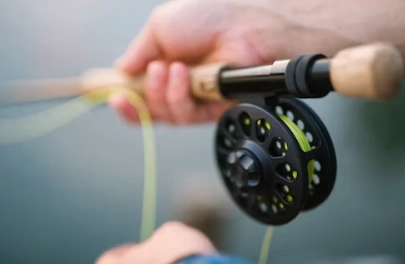
Why Does Regular Fishing Reel Maintenance Keep Casting Smooth?
A reel works through repeated contact. The handle turns, the gear set transfers force, the line roller guides line, the spool lip releases line, and the drag system controls pressure when a fish runs. If one area becomes dirty or dry, the whole reel feels less direct. That is why Fishing Reel Maintenance should focus on movement, not just appearance.
Clean Moving Parts Reduce Friction
Fine sand and salt crystals often collect around the handle joint, bail arm, line roller, and spool shaft. These areas do not need rough scrubbing. A soft brush, cotton swab, and clean cloth usually do more good than heavy force.
For reels used by rental operators, charter supply channels, or frequent weekend anglers, this matters because rough movement is noticed quickly by end users. Regular cleaning keeps small dirt from working deeper into the reel body.
Smooth Line Flow Protects Casting Distance
Casting smoothness depends heavily on the line path. If the spool lip has dried salt or small burr-like residue, line leaves the spool with more resistance. If the line roller is dirty, the line can twist, flatten, or scrape during retrieval.
Laike reel knowledge emphasizes smooth line release, lower resistance, and reduced friction in spool and line guide design. That same logic applies to cleaning: keep every line-contact point clear before adding oil.
Stable Drag Helps Control Medium and Large Fish
The drag system should release line evenly, not jump or stick. Dirt around the drag knob or trapped moisture inside the drag area can cause uneven pressure. For buyers choosing reels for bigger fish, this is not a small detail. A smooth drag reduces sudden stress on the line and helps anglers keep control during a run.
How Should You Clean a Fishing Reel after Freshwater or Saltwater Use?
Controlled cleaning is the safest approach. Treat the reel as something that can get wet from time to time but will not become a waterproof metal block if submerged. While a few splashes are unlikely to do any harm, soaking the reel can allow water to penetrate areas that dry slowly. Reel bodies should not be soaked and strong cleaning solvents should be avoided as they can damage the plastic used in some parts as well as penetrating the coatings on other parts.
Light Rinse, Not Deep Soaking
For freshwater trips, wipe the reel first and remove visible dirt. For clean fishing reels after saltwater, use a gentle freshwater rinse from above, not high pressure. Keep the drag tightened during the rinse so water is less likely to enter the drag stack, then loosen it after the reel is dry.
Early removal of salt from your saltwater reel is a must. However, never attempt to force water into the gear system of the reel.
Soft Brush Cleaning around the Spool and Line Roller
If the reel is designed as a spool, remove the spool and work around the spool shaft, the spool lip, line roller, bail arm, and the base of the reel handle. Use a soft brush, such as a toothbrush, for this cleaning. Never use a metal pick unless you can actually see the hard particle and be very careful not to scratch any coated surfaces.
This guide contains simple enough steps for a retail customer to clean their spinning reel, which would be very useful on a product manual, after sales page and in retail inserts.
Drying before Lubrication and Storage
Once cleaned down, allow the reel to dry with a soft cloth to remove any surface moisture. Reel oil should then be added to the dry surface. Reel oil should be used sparingly as it will only attract dust if too much is applied. Reel oil should be applied to the moving parts of the reel. Fishing reel lubrication is a simple process: oil the moving parts, wipe off excess and never use random household grease.
Which Reel Areas Need The Most Attention during Maintenance?
Not every part needs the same care. A buyer or angler who knows the main wear areas can maintain reels faster and avoid unnecessary disassembly.
Spool Lip and Line Roller Contact Points
The spool lip and line roller touch the line every cast. If either area is dirty, casting distance and line management suffer. Check them with your finger after cleaning. They should feel clean and smooth, with no grit.
Handle, Bearings and Gear Feel
If the handle feels heavy, do not immediately assume the reel is defective. First check for sand near the handle joint, old oil near exposed parts, or dried salt near the bail system. If roughness remains after light cleaning and proper oiling, the reel may need internal service.
Drag Knob and Brake System
Do not flood the drag area with oil. A drag system needs controlled friction. Wipe the drag knob area clean, keep water out, and store the reel with drag loosened. This helps reduce compression on drag washers during long storage.
Which Laike Reels Fit High-Maintenance Fishing Conditions?
Some fishing scenes are harder on reels than others. Saltwater, rock fishing, heavy lure casting, and ice fishing all create different maintenance loads. Product selection should match those conditions from the start.
| Fishing Scene | Main Maintenance Risk | Laike Product Fit |
| Saltwater and rocky shore use | Salt residue, sand, stronger fish pressure | Big Game Spinning Fishing Reels |
| Cold-weather ice fishing | Low temperature, ice moisture, slow line control | Aluminium Winter Ice Fishing Reels |
| Retail mixed-use reel line | Different user skill levels and after-sales questions | Size and model matching by target scene |
Big Game Spinning Fishing Reels for Saltwater and Heavy Use
Big Game Spinning Fishing Reels are suitable for spinning fishing, sea fishing, rock fishing, raft fishing, ice fishing and sea pole fishing. The product page lists aluminum, copper and nylon materials. The Big Game Spinning Reels are available in models from 1000 to 7000. The Big Game Spinning Reels have 13+1 BB and come with a high quality gear ratio of 5.2:1 for models 1000-5000 and a gear ratio of 4.7:1 for models 6000-7000. The fishing reels have a corrosion-resistant surface treatment and are suitable for both freshwater and saltwater.
For retailers, the model range offers a light weight version suitable for use on calm water or general spinning for all users, while the larger models will provide the required torque and line control for the angler.
Aluminium Winter Ice Fishing Reels for Cold Weather Control
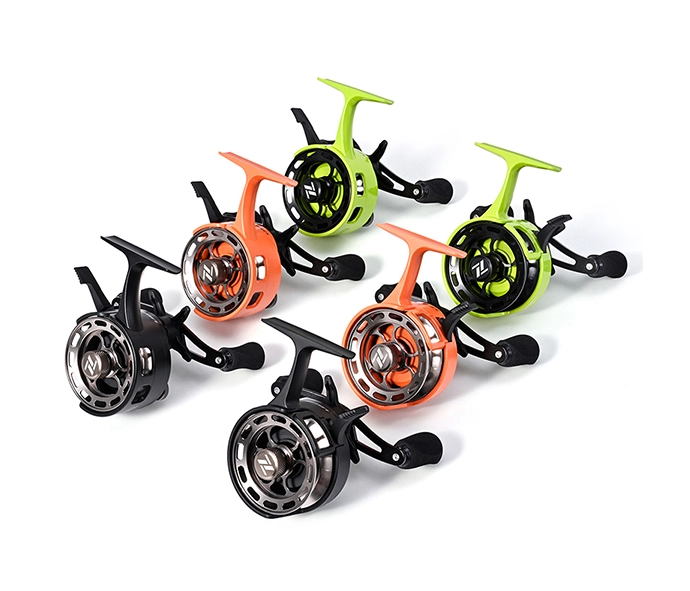
Aluminium Winter Ice Fishing Reels are more focused. The product page for Aluminium Winter Ice Fishing Reels lists a CNC aluminum alloy body, full metal aluminum spool, 183g weight, 3.2:1 gear ratio, 3+1 stainless steel ball bearings, CNC aluminum star drag, magnetic drop speed control, and an anodized finish. The Aluminium Winter Ice Fishing Reels by Aluminium Winter Ice Fishing Reels also lists support for OEM/ODM options such as custom anodizing colors, laser logo, drag clicker sound, packaging, and private labeling.
For ice fishing reel maintenance, the main concern is not salt. It is cold moisture, ice buildup, and stiff movement. A full-metal structure and controlled drop speed are easier to explain to buyers serving perch, walleye, pike, trout, and lake whitefish markets.
Product Matching by Fishing Scene and Maintenance Load
A reel for occasional freshwater use does not face the same cleaning pressure as a reel used on a saltwater pier every week. For B2B buyers, this affects product descriptions, customer education, packaging copy, and return rate control. The right reel is easier to maintain because it is chosen for the correct scene first.
What Should Buyers Ask before Ordering Fishing Reels in Bulk?
Bulk reel orders should not be based only on price and appearance. Ask how the reel will be used, how often customers fish, and whether the end market needs saltwater resistance, cold-weather control, or simple beginner handling.
Maintenance Cost by Fishing Environment
A lower-cost reel used in the wrong environment can create higher after-sales cost. Saltwater buyers need clear cleaning instructions. Ice fishing buyers need cold-condition handling details. Beginner kits need simple care steps printed in plain language.
OEM and ODM Options for Retail Packaging
Laike supports OEM and ODM order needs. For reel buyers, useful packaging content can include how to clean a fishing reel, where to oil it, what not to soak, and how to store it. Clear care instructions make the product easier for end users to keep in working condition.
Service and Contact Support for Samples and Bulk Orders
For buyers comparing reel sizes, packaging versions, seasonal markets, or maintenance instructions, Laike can help prepare product details, sample options, and service support through the contact page. This is useful when your team needs product photos, model matching, OEM packaging direction, or clearer after-sales wording before placing a bulk order.
Good Fishing Reel Maintenance protects casting feel, line flow, drag control, and customer satisfaction. For saltwater and heavy-use markets, Laike Big Game Spinning Fishing Reels offer a practical model spread. For cold-weather retail lines, Laike Aluminium Winter Ice Fishing Reels give buyers a more focused option. Clean the reel properly, choose the reel by scene, and make maintenance instructions part of the product package.
FAQ
Q: How often should I clean a fishing reel?
A: For freshwater use, light cleaning after several trips is usually enough if the reel stays clean. For saltwater use, clean it after every trip. Salt left on the spool, line roller, and handle area can quickly affect smooth movement. This is one of the most basic Fishing Reel Maintenance habits.
Q: Can I soak a fishing reel in water to clean it faster?
A: No. Soaking can push water into the gear system and drag area. Use a light rinse, soft brush, cloth, and controlled drying instead. If the reel feels rough after cleaning, avoid forcing it and arrange proper service.
Q: What is the most important part of Fishing Reel Maintenance for smooth casting?
A: Keep the spool lip and line roller clean. These two areas affect how the line leaves and returns to the reel. After that, check the handle feel, bail movement, and drag response before storage.