
Choosing your rod and reel is not just about picking two products that look good together. A rod, reel, line, lure, and fishing scene all affect each other. A light lure on the wrong reel feels hard to cast. A strong saltwater reel on a soft rod makes control clumsy. A long rod in an ice shelter becomes a problem before the fish even bites.
Laike focuses on practical fishing tackle for buyers who need rods, reels, lures, fishing lines, accessories, and ready-to-match combinations. Through Laike, buyers can source products for freshwater fishing, lure fishing, saltwater fishing, ice fishing, and OEM projects. For retailers, online sellers, and tackle distributors, the key value is not only having many product options. It is getting items that fit real fishing styles, packing plans, price ranges, and repeat orders without making the buyer rebuild the product line from zero.
Why Does Your Fishing Style Decide Your Rod and Reel Setup?
A fishing setup should start from the place where it will be used. Bank fishing, boat fishing, lure casting, sea fishing, and ice fishing all ask different things from the equipment. If you start only from reel appearance or rod length, the setup may still fail in actual use.
The Water Comes First
Freshwater ponds and rivers usually need easier casting, lighter operation, and controlled line release. Saltwater fishing often puts more stress on the reel body, spool, and drag system. Ice fishing is different again because the fishing space is smaller, the bite can be lighter, and the rod movement is shorter.
For a buyer, this means the product brief should not only say “fishing rod” or “fishing reel.” It should include the target scene, fish size range, line type, and whether the user is a beginner or an experienced angler.
Casting Distance Changes the Setup
A setup for long casting needs smooth line flow, guide alignment, and a reel that does not fight the line during release. A short-distance setup needs better control and quick response. This is why a travel rod, a lure rod, a saltwater baitcasting reel, and an ice rod should not be sold with the same product logic.
Balance Reduces User Fatigue
A heavy reel on a light rod makes the wrist work harder. A stiff rod with a reel that releases line poorly causes poor casting rhythm. Good balance is especially important for repeated casting, because small discomfort becomes obvious after hours of fishing.
How Should Beginners Choose Your Rod and Reel for General Freshwater Fishing?
For beginners and casual anglers, the first target is not extreme power. It is easy casting, simple line control, and fewer mistakes. A rod and reel setup for beginners should make the first trip smoother, not force the user to learn everything at once.
Spinning Setups Are Easier to Learn
Spinning reels are widely used because the casting action is simple, the line is easier to manage, and the risk of serious line tangles is lower than many advanced reel types. For entry-level freshwater users, this gives the setup a lower learning cost.
Retail buyers can use this point when building starter kits. A beginner does not usually ask for complex reel structure. They ask whether it casts smoothly, whether it is easy to carry, and whether it can handle common pond, lake, and river fishing.
Travel Use Needs a Compact Rod
For users who fish after work, travel by car, or keep spare gear in a backpack, a telescopic rod has clear value. The portable carbon telescopic fishing rod fits this type of demand because the carbon construction keeps the rod light in hand, while the telescopic design makes storage easier.
The key buying point is not only portability. Buyers should also check section fit, guide alignment, reel seat stability, and how the rod feels after repeated extension and closing. A telescopic rod is often handled more often than a one-piece rod, so joint consistency matters.
Simple Combos Help Retail Conversion
For shops and online sellers, beginner-friendly combos reduce customer hesitation. If the rod, reel, and line recommendation are already matched by fishing style, the user has fewer reasons to delay purchase. This is where your rod and reel must feel balanced from the first cast.
What Rod and Reel Setup Works Better for Lure Fishing?
Lure fishing asks more from the setup because the user casts repeatedly, controls bait movement, and reads small signals through the line and rod. A poor match makes the lure feel dead in the water.
Sensitivity Helps Read Light Bites
A carbon rod is useful in lure fishing because it can transmit more feedback through the blank. This matters when the lure touches weeds, stones, or a fish’s mouth. For buyers planning a lure fishing reel matching product line, sensitivity should be discussed together with rod action, lure weight, and line type.
Sensitivity dictates catch rates in technical lure angling. Laike’s high-performance rods utilize premium 30T to 40T high-modulus carbon cloth as the core material. This lightweight, multi-layer woven carbon matrix provides an optimal balance of rigidity and elastic recovery. Whether casting mid-to-upper layer pencils or jumping VIB lures along the bottom , this setup ensures flawless control for target species like bass and mandarin fish.
Smooth Reeling Keeps Lure Action Stable
A reel with smooth gear movement helps the lure swim more consistently. If reeling feels rough, the bait action becomes less controlled. For users working VIB lures, soft baits, or small hard baits, steady retrieval can affect how naturally the lure moves.
Light Gear Supports Longer Sessions
Lure fishing often means hundreds of casts in one trip. Lighter rods and well-matched reels reduce wrist pressure. For product selection, do not only compare price. Check whether the reel seat holds firmly, whether the handle feels secure, and whether the line runs cleanly through the guides during quick casting.
Which Setup Should You Use for Saltwater Fishing?
Saltwater fishing puts more pressure on a reel than many freshwater scenes. The fish may pull harder, the water is more corrosive, and longer line runs are common. Here, your rod and reel setup needs stronger body support and better line management.
Metal Reel Construction Adds Support
For sea fishing buyers, reel body strength is a practical concern. A stronger body helps keep gears aligned under load. This does not mean every user needs the heaviest reel. It means the reel should match the fish, line, and drag pressure expected in that fishing scene.
Spool Design Affects Line Control
Open water often needs more line capacity and smoother line release. A flat spool structure can help line come off more evenly during casting and control. The Flat Metal Spool Saltwater Baitcasting Reels are more suitable for buyers building sea fishing or stronger casting categories, especially where users care about control, line storage, and reel body support.
Maintenance Should Be Easy to Explain
Saltwater users need simple care instructions. Rinsing after use, drying before storage, checking the spool edge, and watching for sand around moving parts can reduce many common complaints. For B2B buyers, clear maintenance notes also reduce after-sales pressure.
How Do You Choose Your Rod and Reel for Ice Fishing?
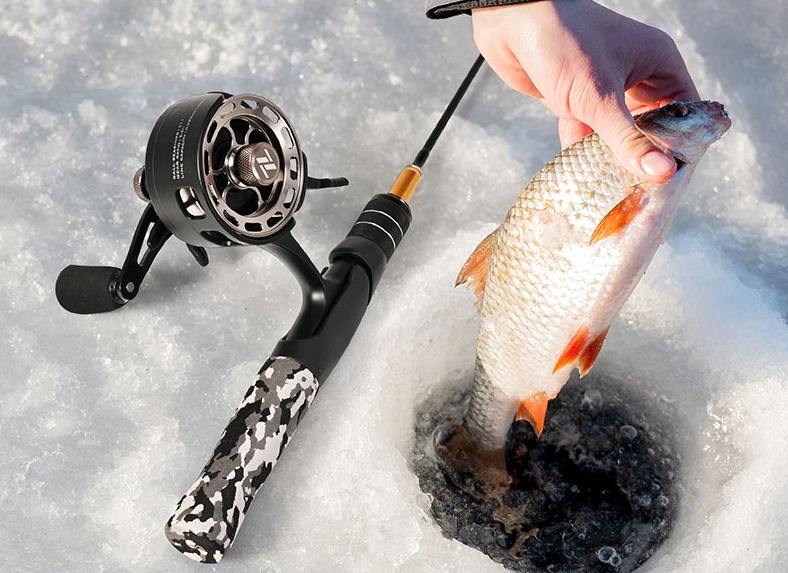
Ice fishing has its own equipment logic. The space is limited, the movement is shorter, and the bite can be subtle. Long rods and oversized reels are not practical in this scene.
Short Rod Control Matters
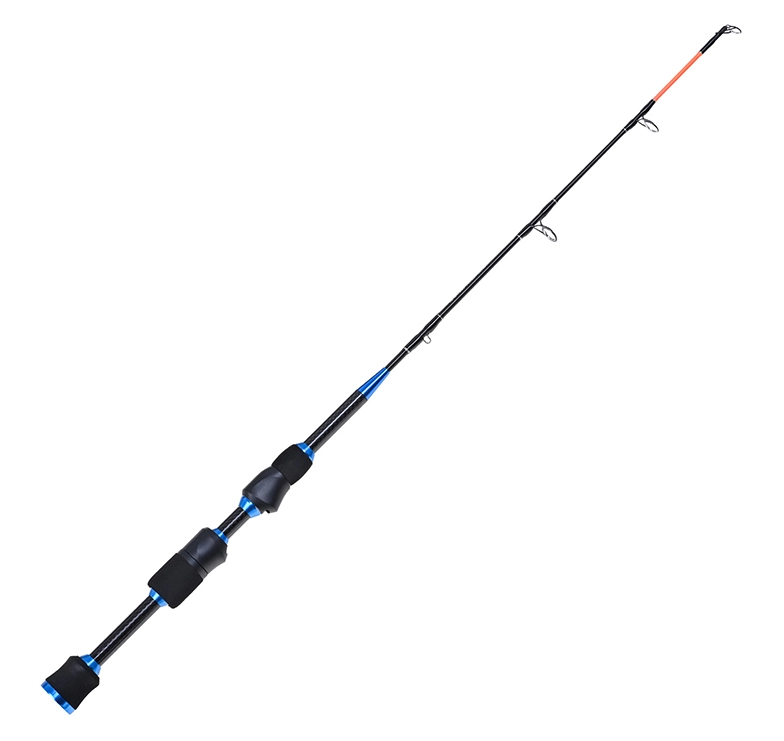
A shorter ice rod gives the user better control near the hole. The Carbon Ice Fishing Rod fits this kind of close-range fishing because carbon material helps keep the rod light and responsive. In ice fishing, that response matters when the fish bite lightly and the angler cannot use wide rod movement.
Winter Reels Need Stable Operation
Cold-weather fishing can make small design issues more obvious. A reel should turn smoothly, hold line properly, and remain easy to operate with cold hands. The Aluminium Winter Ice Fishing Reels are suitable for winter product lines where buyers need reels that match short ice rods and compact fishing spaces.
Combo Planning Reduces Buyer Risk
For retailers, an ice fishing rod and reel should be sold as a scene-based setup rather than two separate items. The buyer should check handle comfort, reel size, line recommendation, and packaging space. A compact ice combo is easier to explain to end users and easier to stock by season.
| Fishing Style | Main Setup Priority | Suitable Laike Product Direction |
|---|---|---|
| General Freshwater | Easy casting and simple control | Portable telescopic rod with beginner-friendly reel matching |
| Lure Fishing | Sensitivity and repeated casting comfort | Carbon rod structure with smooth reel retrieval |
| Saltwater Fishing | Reel body support and line capacity | Flat Metal Spool Saltwater Baitcasting Reels |
| Ice Fishing | Short movement and light bite feedback | Carbon Ice Fishing Rod with Aluminium Winter Ice Fishing Reels |
Before placing an order, buyers should prepare the target fishing scene, expected retail price range, packing format, and whether the product will be sold as a single item or combo. If your team is comparing your rod and reel options for different markets, Laike can review the category direction, matching logic, and OEM details through its contact page.
FAQ
Q: How Do I Know if Your Rod and Reel Are Matched Well?
A: A matched setup should feel balanced in hand, cast without fighting the line, and support the target fish size. The reel seat should hold firmly, the line should pass smoothly through the guides, and the reel should not feel too heavy for the rod.
Q: What Is a Good Rod and Reel Setup for Beginners?
A: For most beginners, a simple spinning setup with an easy-carry rod is more practical than a complex reel system. A telescopic carbon rod can work well for casual freshwater fishing, travel fishing, and entry-level retail kits.
Q: Should I Choose Different Rods and Reels for Saltwater and Ice Fishing?
A: Yes. Saltwater fishing usually needs stronger reel support and better line capacity. Ice fishing needs a shorter rod, compact reel, and sensitive control in limited space. Selling the same setup for both scenes can lead to poor user experience.