
A Homemade Fishing Rod can look clean and well-built, but it will not perform well if the blank is wrong. A blank that is too stiff may miss light bites. A blank that is too soft may lose control when the fish pulls hard. A rod that is too long can feel tiring for beginners, while a short rod may limit casting distance. For B2B buyers, these mistakes can lead to weak samples, unclear product positioning, and complaints after launch.
Laike is a fishing tackle supplier with product coverage across fishing rods, reels, lines, lures, hooks, tools, combos, nets, and accessories. Through the Laike website, buyers can compare rod structures for ice fishing, fly fishing, spinning, lure fishing, and general outdoor use. For buyers planning retail supply, OEM orders, or private-label rod ranges, finished rod models can also work as useful references for blank direction, handle design, section structure, and market positioning.
In this guide, blank selection does not only mean buying an unfinished blank tube. Many buyers study finished rods first to decide what kind of blank, length, power feel, section design, and handle layout should be used in a custom rod project.
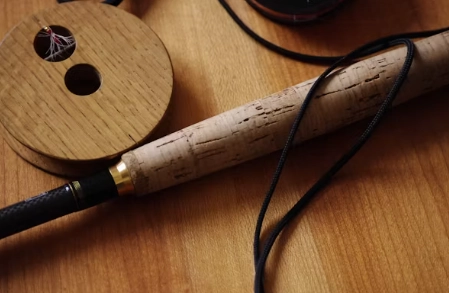
How Should You Start Choosing Fishing Rod Blanks for a Homemade Fishing Rod?
The practical way to learn how to choose fishing rod blanks is to connect every blank feature with a real fishing scene. A rod for ice fishing, fly casting, or daily spinning should not start from the same blank plan.
Fishing Scene Before Appearance
Start with the fishing method. Ice fishing needs short-range control and bite feedback. Fly fishing needs casting rhythm and line control. Daily spinning needs a rod that is easy to hold, easy to explain to beginners, and flexible enough for common lake, river, or light lure use.
Target Fish and Line Setup
Target fish size affects blank strength, but strength alone is not enough. Buyers should also consider line type, lure weight, hook-setting style, and how much bend the rod should show under pressure. A blank that feels strong in hand may still be wrong if it does not match the user’s fishing level.
Wrong Blank Risks
A common mistake is choosing a blank only because it looks strong. For a Homemade Fishing Rod project, the better question is not “Which blank is strongest?” but “Which blank matches the fishing scene and user level?” This question gives buyers a clearer path before they approve samples or confirm bulk production.
How Does Blank Material Affect Real Fishing Performance?
Material affects weight, bite feedback, recovery, durability feel, and price positioning. A useful fishing rod blank material guide should compare material by fishing method, not by one simple rule.
Carbon Fiber For Sensitivity
Carbon fiber is often used when buyers want a lighter rod with clearer feedback. This direction is useful for ice fishing and fly fishing because small movements matter. It can also support a more technical product position for buyers selling to users who care about rod feel.
Daily Use Balance
For casual fishing and entry-level retail products, buyers should also think about comfort, ease of use, and durability in daily handling. A rod that feels slightly more forgiving may be easier for beginners than a very technical rod that requires better casting skill.
Material Checks Before Sampling
Before approving a sample, buyers should check whether the blank bends smoothly, whether the rod returns cleanly after pressure, whether the sections fit tightly, and whether the handle feels stable. Product photos can show the style, but they cannot show bending feel, grip comfort, or repeated assembly quality.
Which Length and Structure Fit Your Rod Project?
Length and section design change how a rod casts, stores, travels, and feels in hand. For B2B sourcing, this is not a small detail. It affects packing, shelf positioning, shipping convenience, and how the product is explained to end users.
Short Blanks For Ice Fishing Control
A carbon fishing rod blank for ice fishing should support short-range control and light bite feedback instead of long casting distance. Shorter structures are easier to manage in tight spaces and are more suitable for winter fishing scenes where the angler works close to the hole.
Multi-Section Blanks For Travel Use
Travel rods need compact storage, but the assembled rod should still feel stable. For entry-level users, a fly fishing rod blank for beginners should feel manageable during repeated casting and easy to pack after use. Buyers should check section fit and assembled straightness before confirming a multi-section rod design.
Longer Rods For Casting Distance
Longer rods can help with casting distance and line control, but they may feel tiring if the target users are beginners. A buyer should choose length based on fishing distance, target fish, user skill, and packing requirements, not only because a longer rod looks more impressive.
How Can Laike Rod Models Help Buyers Compare Blank Directions?
Laike’s finished rod models can help buyers compare different rod directions before starting a custom project. The goal is not to force one model into every market, but to use each product as a reference for fishing style, blank structure, handle design, and user positioning.
| Buyer Question | What to Check | Laike Product Direction |
| Will the rod be used in cold, tight-space fishing? | Short structure, carbon response, close-range control | Carbon Ice Fishing Rod |
| Will the rod be sold for fly fishing or travel use? | Multi-section structure, casting feel, packing convenience | Carbon Fly fishing rod |
| Will the rod serve beginners or daily lure users? | Practical length options, comfortable handle, easy product explanation | Cork handle fishing rod |
| Will the order need private-label planning? | Logo position, handle option, packaging method, sample review | OEM/ODM discussion |
| Will the buyer carry several fishing categories? | Rod range, accessories, supply communication | Laike fishing tackle supply service |
Carbon Ice Fishing Rod For Cold-Weather Control
Laike’s Carbon Ice Fishing Rod uses a carbon fiber blank and a compact two-section structure. This makes it more suitable for ice fishing than a long casting rod. Buyers can use it as a reference when planning a short winter rod line focused on close handling, portability, and bite response.
Carbon Fly fishing rod For Fly Casting and Travel
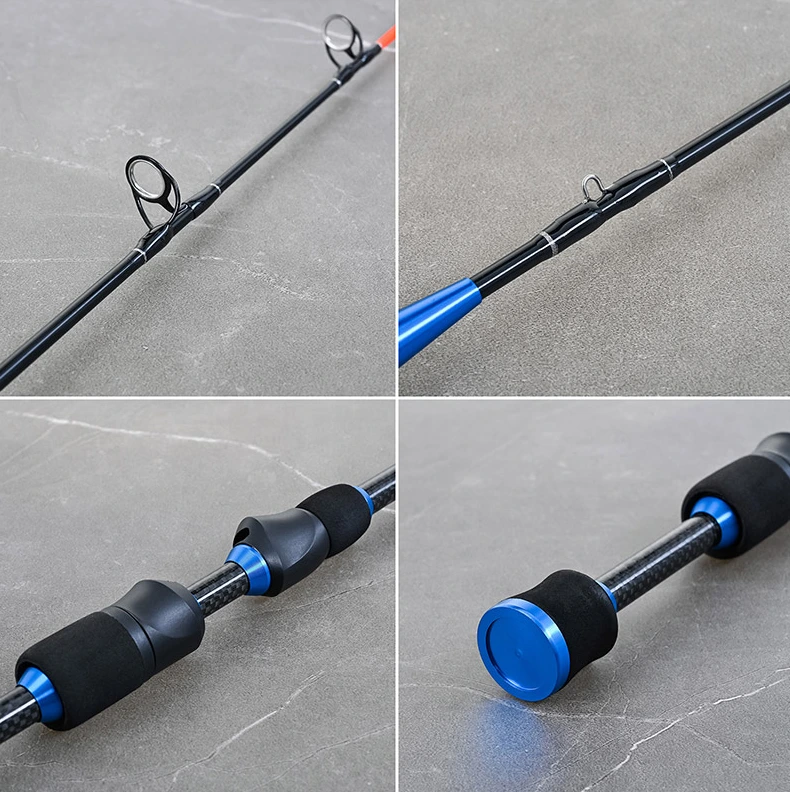
Laike’s Carbon Fly fishing rod is suitable for buyers planning fly fishing or travel fishing products. Its four-piece carbon structure supports easier storage and carrying. For a Homemade Fishing Rod direction aimed at fly fishing users, buyers should pay attention to casting feel, section fit, handle comfort, and packing size.
Cork handle fishing rod For Daily Spinning
Laike’s Cork handle fishing rod fits daily spinning, lure fishing, and general outdoor use. For retail projects, a cork handle fishing rod for spinning is easier to explain to beginners because the grip feels familiar and the application range is broad. Buyers can position it as a practical daily-use rod rather than a narrow technique-only product.
How Should B2B Buyers Confirm a Reliable Rod Project?
A useful supplier should help buyers confirm rod length, section structure, handle material, packaging style, and sample details before production starts. This matters because rod quality is judged in use, not only in photos.
Sample Review Checklist
For sample review, buyers can prepare a simple checklist: target fishing scene, expected rod length, section count, blank material, handle type, guide layout, packing size, logo method, and test feedback after assembly. This makes supplier communication more direct and helps avoid vague sample comments such as “make it stronger” or “make it better.”
OEM and ODM Details
For custom orders, buyers should prepare the target market, fishing method, user level, preferred rod length, handle material, color direction, logo method, and packaging needs. Clear requirements reduce revision time and help the supplier recommend a more suitable rod direction.
Service Contact For Bulk Purchase Decisions
Before starting a rod order, prepare the fishing scene, target user, preferred rod length, handle material, section design, logo plan, and packaging needs. These details help the supplier recommend a suitable rod direction instead of only comparing price. Buyers who need product details, sample discussion, or OEM/ODM support can reach Laike through its contact page and share the project requirements clearly.
A Homemade Fishing Rod should not start from appearance. Start from the fishing scene first. Choose a short carbon direction for ice fishing, a multi-section carbon structure for travel and fly casting, and a cork-handle spinning direction for daily lake, river, or light lure use. Do not use one blank plan for every market unless the target users are casual beginners. For B2B buyers, the next step is to confirm the target fish, rod length, section design, handle material, packing method, logo position, and sample testing standard before moving to bulk order discussion.
FAQ
Q: What is the most important factor in choosing a blank for a Homemade Fishing Rod?
A: The fishing scene should come first. Ice fishing, fly fishing, and daily spinning need different blank length, structure, sensitivity, and handle design. After that, buyers can compare material, power feel, section count, and sample quality.
Q: Is carbon fiber always the right material for fishing rod blanks?
A: Carbon fiber is useful when light weight and sensitivity matter, but it is not the only consideration. Buyers should also check user level, fishing method, durability needs, price position, and whether the rod feels stable during real handling.
Q: Can one Homemade Fishing Rod design cover ice fishing, fly fishing, and spinning?
A: One general rod may work for casual use, but it will not perform equally well in every scene. Ice fishing needs short control, fly fishing needs casting rhythm, and spinning needs daily comfort. Buyers planning a product line should separate these use cases.