
When examining a set of old fishing rods, one may spot a clear difference. Some appear fit for display, yet others, barely three years in use, turn weak, cracked, or fully broken. This gap stems from production methods, fiber quality, and the exact mix of resin to material. For tools that endure over time, a supplier focused on solid build over quick output proves essential.
Laike fills that role. Located in Weihai, a key center for worldwide production, the company brings more than ten years of skill as a business-to-business leader. It goes beyond mere sales. Instead, it steadies the supply process by linking with over 200 targeted plants to supply ISO-confirmed standards. Brand managers seeking a 30 percent drop in buying expenses or sellers needing three-day fast delivery for ready stock find support here. The group offers a “refund or replace” promise that safeguards funds. Partnering provides a single point for access, where expert advice and strict checks keep stock free from damaged items.
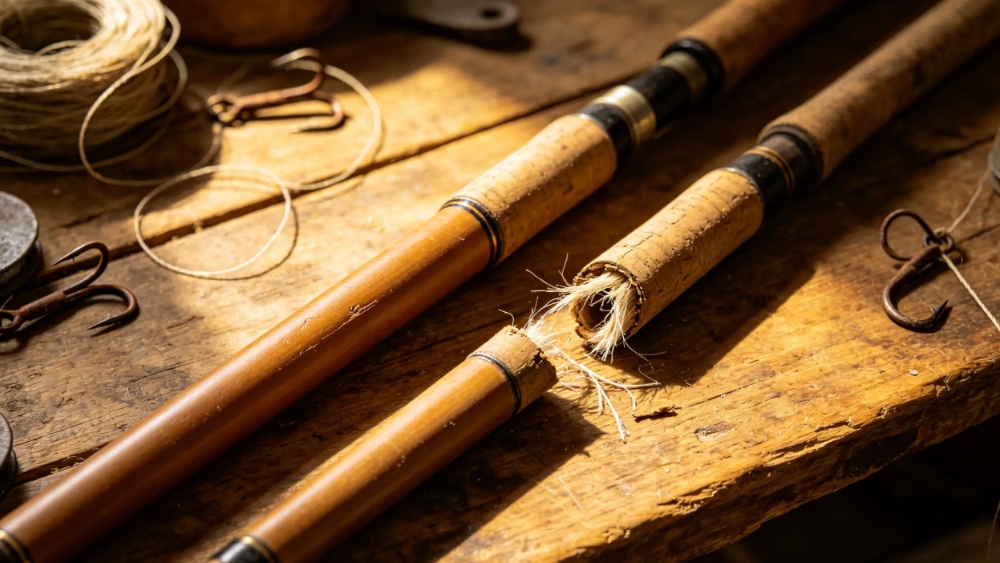
What Factors Determine the Average Lifespan of Carbon Fishing Rods?
The staying power of equipment starts well before water contact. The expected duration for current carbon tools shifts greatly due to the fiber strength and the steady nature of joining chemicals.
Material Density and Resin Quality
Resin breakdown often causes issues in many old fishing rods. Cheaper versions apply too much resin to hide flaws in the fiber, leading to weakness from warmth exposure. Stronger carbon types need less resin and more fiber. As a result, they form a firm link that fights small splits seen in low-end products.
Structural Integrity Through Precision Manufacturing
Even thickness in the core, known as the blank, holds key importance. An uneven wall by just a tiny measure creates a weak area. After a few years, such spots wear down and break under strong pull.
Environmental Resistance of Modern Blanks
Sunlight rays quietly harm past tools. Today’s rods include better shields that block light and salt. Without them, the fiber’s basic structure weakens, causing breaks within three years.
| Material Type | Estimated Lifespan (Frequent Use) | Primary Failure Mode |
|---|---|---|
| Standard Graphite | 3 – 5 Years | Resin embrittlement |
| High-Modulus Carbon | 10 – 15 Years | Impact damage |
| Fiberglass | 20+ Years | Weight/Loss of stiffness |
How Can You Identify Critical Signs of Structural Damage in Fishing Gear?
Prior to a large outing, assessing current tools for risks becomes necessary. Wear in the build often hides from plain sight until failure strikes.
Micro-Cracks and Surface Scratches
Slide a fingernail lightly over the core. A snag on a deep mark might signal a strain break. In old fishing rods, such marks breach the outer coat. Then, water enters the layers, leading to separation from within.
Guide Corrosion and Insert Wear
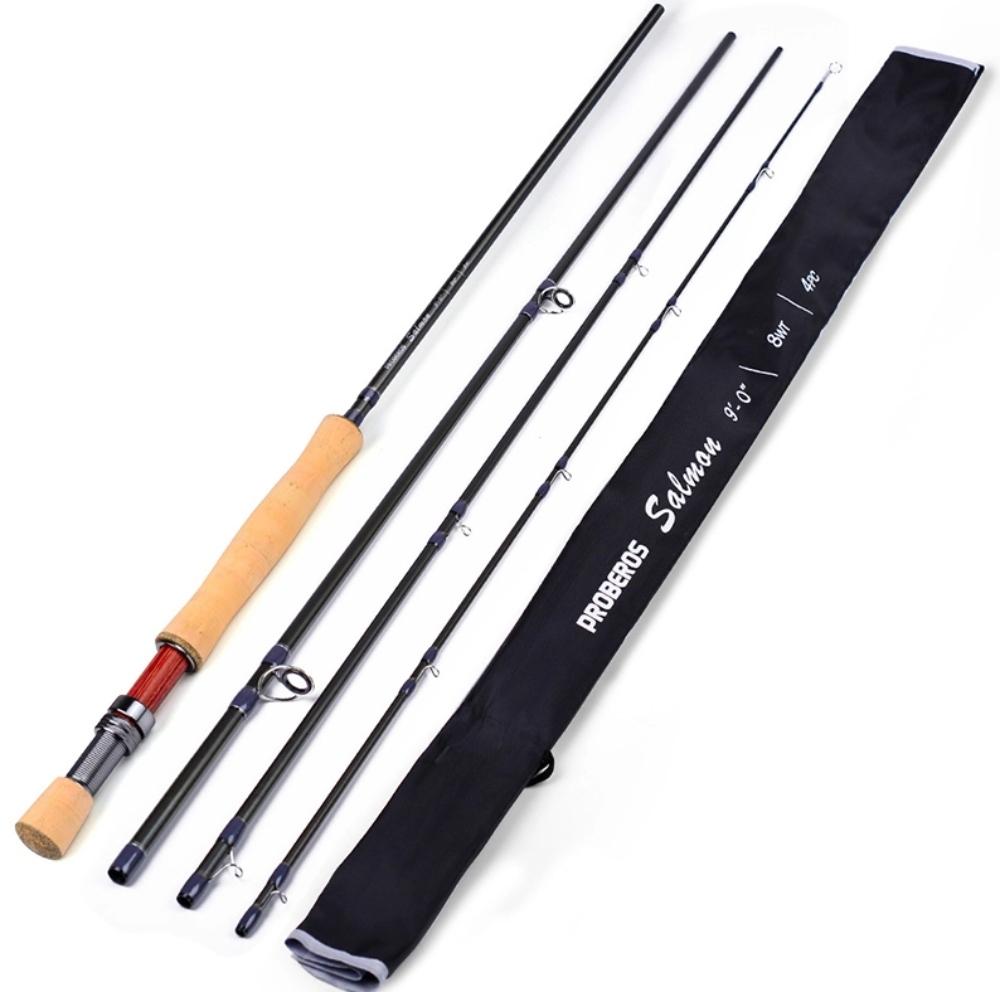
Look closely at the line rings. Rough or rusted ones cut into the line like a blade. To prevent this, consider options such as a Carbon Fly fishing rod with top stainless steel or ceramic parts. These choices stand up to dents and rust better than past, basic fittings.
Handle Degradation and Grip Failure
The grip shows age first in many cases. Low-cost foam breaks down and shifts form over time. In contrast, a Cork handle fishing rod relies on fine cork. This basic substance lasts well. It sends shakes better for clear bite detection, and the hold gets stronger with use, unlike fake options that slip.
Is It Possible to Master How to Restore Vintage Graphite Rods?
Bringing back old fishing rods draws interest for those attached to past items, but skilled steps ensure safe continued use.
Professional Cleaning and Component Replacement
Revival begins by clearing worn rings. Removing rusted weight and adding light modern ones improves the rod’s weight balance and bend. Thus, an older tool feels much fresher.
Blank Re-coating and Protection
A new layer of sea-safe epoxy or sun-proof cover halts ongoing wear. This seals tiny gaps in the graphite, blocking more harm from surroundings.
Evaluation of Fatigue and Safety
Knowing when repair fails holds importance. A core crushed or curved too long likely has cut fibers inside. Here, fixes stay surface-level, and heavy fishing should stop.
Why Is Fishing Rod Blank Fatigue Testing Essential for Long-Term Performance?
Ensuring decades of use calls for makers to mimic years of action in days. Solid checks divide expert tools from basic ones.
Stress Simulation and Breaking Point Analysis
Dependable items, like a portable carbon telescopic fishing rod, face thousands of bend tests. Such work confirms that folding joints, often weak in old fishing rods, handle repeated stretches and loads without losing tight fit.
Consistency in Mass Production
Business buyers need more than one solid piece. Wear checks on full runs confirm each item in a thousand-unit order matches the start. This evenness guards brand image from faulty groups of breaking tools.
Real-World Durability vs Lab Data
Lab results should align with sea conditions. Trials use salt mist rooms for rust checks and warm chambers to verify resin holds in hot areas.
| Test Parameter | Industry Standard | Professional Grade (Laike) |
|---|---|---|
| Flex Cycle Test | 2,000 repetitions | 5,000+ repetitions |
| Salt Spray Resistance | 24 Hours | 72 – 96 Hours |
| Static Load Capacity | 1.5x Max Rating | 2.2x Max Rating |
What Are the Most Effective Professional Tackle Storage Solutions for Longevity?
Storage methods in quiet periods shape the tool’s years of service. Wrong habits lead to sudden breaks on light catches without clear cause.
Temperature and Humidity Control
High warmth in sheds or vehicles cooks the resin. Repeated swelling and shrinking from shifts weaken fiber ties. A steady climate space preserves the core’s first bend.
Tension-Free Racking Systems
Avoid keeping a rod with tight line or tilted on a surface. The fiber sets into a fixed curve over time. Straight supports at several spots maintain the core’s true line.
Protective Cases for Transit and Storage
Bumps harm carbon most. One hit on a rail or door bruises the strands. Firm tubes or soft covers best protect current tools from early entry into broken old fishing rods.
Contact
Dealing with production flaws in large orders risks delays. Expert insight helps, with a Technical Procurement Checklist, a Guide to Material Strength for B2B Sourcing, and Customized Design Suggestions fit to market needs. Provide project facts to cut supply uncertainties. Please contact us to gain these aids and secure shipments for long service.
FAQ
Q: Can I still trust old fishing rods made of fiberglass?
A: Yes, in most cases. Fiberglass resists hits and outside wear far better than early fiber types. Though heavier and less sharp in feel, fine fiberglass tools from decades back often work well now.
Q: Does salt water permanently damage carbon rods?
A: Salt water spares the fiber itself, but it ruins metal parts and resin without cleaning. Leftover salt pits the rings and jams the reel base, cutting the tool’s life short.
Q: How do I know if my telescopic rod is failing?
A: Test the parts for loose movement. If sections fail to hold firm or show straight splits at joins, the grip wears thin. This marks typical strain in basic travel items.