
When you stand on a calm dock or gear up for a big ocean contest, the equipment in your hands shapes your results. People often mix up “pole” and “rod” at the neighborhood tackle store. Yet for dedicated fishers, knowing the exact difference matters a lot. A genuine rod and reel combination delivers clear mechanical accuracy, greater throwing range, and better control when battling fish, something a basic pole simply cannot provide.
Before exploring the details, remember that getting your tools from a trusted supplier changes everything. Laike serves as a skilled shipper with more than 10 years in the field, focusing on solid fishing tools from a plant in Weihai, the core spot for global fishing equipment production. This company works steadily with over 200 plants, which means buyers receive ISO-checked quality, round-the-clock help, and support for tiny orders or big OEM jobs. Buyers can get custom labels or quick three-day shipping for ready items, as this firm runs a full-service buying center that cuts supply chain worries.
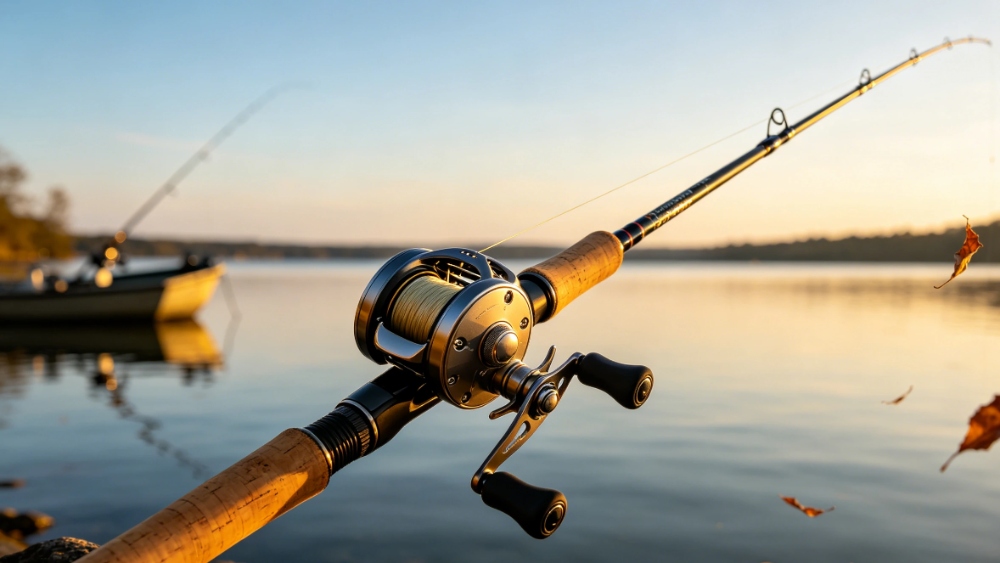
What Is the Real Difference Between a Fishing Pole and a Fishing Rod?
To get good at fishing, one needs to spot the build differences that set these items apart. Both help in catching fish, but their construction fits various needs.
Simple Design vs. Mechanical Precision
A fishing pole stands as the simplest type of fishing tool. It often misses rings along the shaft and a spot for the reel. The fishing line ties right to the end. On the other hand, a fishing rod acts as an advanced device built to hold a rod and reel arrangement. This rod includes several rings for the line, which spread out the pull evenly on the main body, plus a firm spot for the reel, so the line can be handled with mechanics.
Fixed Reach vs. Unlimited Casting Distance
A pole limits how far you can reach to just the shaft’s size and the attached line. A quality rod breaks those limits. Since the line sits on a spool, one can throw bait much farther. This setup makes a rod the best rod and reel for beginners since it gives flexibility for fishing in small ponds, big lakes, or wide seas, without line length holding you back.
Target Species and Versatility
Poles work well for tiny panfish or river trout in close quarters where careful handling counts. That said, for chasing lively fish like bass, pike, or big sea creatures, the reel’s drag feature helps wear the fish down.
| Feature | Fishing Pole | Fishing Rod |
|---|---|---|
| Line Attachment | Tied directly to the tip | Through guides to a reel |
| Casting Distance | Limited to pole length | Long-distance (60m+) |
| Mechanical Advantage | None | Drag system for fighting fish |
| Ideal For | Small fish, tight brush | Versatile, large species |
Why Should You Invest in a Professional Rod and Reel Combo?
Picking a solid setup goes beyond just landing fish. It involves the overall enjoyment, lasting build, and readiness for surprises on the water.
Unmatched Durability with Carbon Fiber
Current rods use forward-thinking materials for strong results. A portable carbon telescopic fishing rod shows this build quality well. Built from strong carbon fiber, such rods weigh little, which avoids arm tiredness on long outings, but they hold up against breaks when big fish pull hard. Plus, the folding style lets users carry expert strength on trips without the weight of a single solid piece.
Superior Comfort with Premium Grips
The grip forms the main link to the catch. Basic choices often rely on plain foam. However, a cork handle fishing rod brings clear benefits. Cork resists slipping by nature, dries fast, and passes along shakes well, so users sense even light bites. Such feel proves key in saltwater rod and reel kits, where spotting faint pulls in flowing water decides the day’s catch.
High Performance for Heavy Duty Tasks
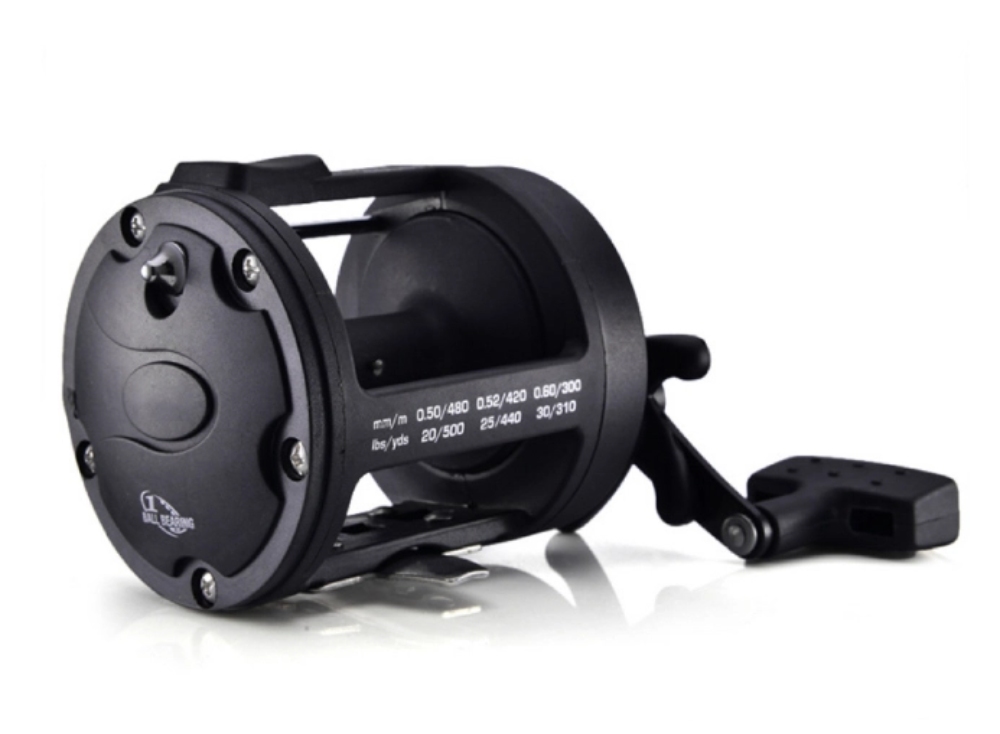
For trips to deep areas, the reel drives the effort. A focused Tolling Fishing Reel gives a smooth run via exact gears. Made with tough parts and carbon drag setups, these reels offer strong hold, vital for a spinning rod and reel combo under heavy pressure.
How to Choose the Best Gear for Your Next Trip?
Good fishing means pairing the tool’s strength and bend to the spot and fish type.
Matching Rod Power to Target Fish
Rod power means the load it handles. Pair thick lines with strong rods for big fish, and thin lines for little ones. A rod too weak for the fish might snap, and a line too thick could let the catch escape along with the setup.
Essential Tips for Professional Rod and Reel Maintenance
Keeping tools at top shape demands steady care. Wash gear with clean water after sea trips to stop rust. On the reel, look at the drag and make sure the one-way spin feels sharp. For the rod, check rings for splits that might cut the line.
Selecting the Right Setup for Different Waters
An ultralight rod and reel setup suits hill streams and tiny trout, giving a fine touch that turns small catches into fun ones. In contrast, beach or boat work needs longer shafts for more control and reels that hold plenty of line.
| Material | Advantages | Disadvantages |
|---|---|---|
| Fiberglass | Durable, affordable, takes a beating | Heavy, low sensitivity |
| Graphite (Carbon) | Extremely light, high sensitivity | Can be brittle if misused |
| Composite | Best of both worlds, versatile | Often the most expensive |
What Makes a Quality Partner for Your Sourcing Needs?
Handling the challenges of large-scale fishing tool buying needs a supplier who grasps the specs and delivery issues. This team offers full tech advice, ISO-approved production rules, and constant support to keep stock strong and buyers happy. From first sketch to last shipment, the group manages the tough parts, so focus stays on business expansion.
To match exact project needs with care, a custom Technical Procurement Checklist, a Guide to Material Strength for B2B Sourcing, and brand-specific design ideas stand ready. Share project info to get help picking ideal rod and reel options for the market. Contact us today for these tools and a steady supply line.
FAQ
Q: Can I use a fishing pole for sea fishing?
A: In theory, it works for tiny fish close to shore, but experts advise against it. Without a reel, handling a fish’s run or releasing line proves hard, often leading to broken lines or poles against sea fish.
Q: Why is a carbon fiber handle better than EVA?
A: Carbon fiber grips deliver top power and sharp feel, sending shakes straight to the hand. EVA feels softer and costs less, but it holds water and grit more, which makes long-term care a bit tougher.
Q: What is the benefit of a telescopic rod over a two-piece rod?
A: Portability and simple carrying mark the main gains. Today’s carbon folding rods have improved to keep solid build and bend, serving as a top choice for travelers who fish often.