
Attaching live bait looks simple at first, yet it marks the difference between landing a big fish and spending hours without a bite. Plenty of fishermen face issues with bait that perishes quickly or comes loose on a strong throw. If frustration from faulty equipment or flawed methods has you down, consider a supplier with deep knowledge of fishing basics. Laike serves as a trusted exporter boasting more than 10 years in the field and a broad setup of 200 linked factories. Their professional-grade services and about-us story highlight a commitment to solid performance and strong value for money. No matter if you fish casually on weekends or buy in volume for OEM needs, you can contact them to tap into over 6,000 product options shipped to 31 nations. In practice, I’ve seen how such connections cut down on headaches during busy seasons.
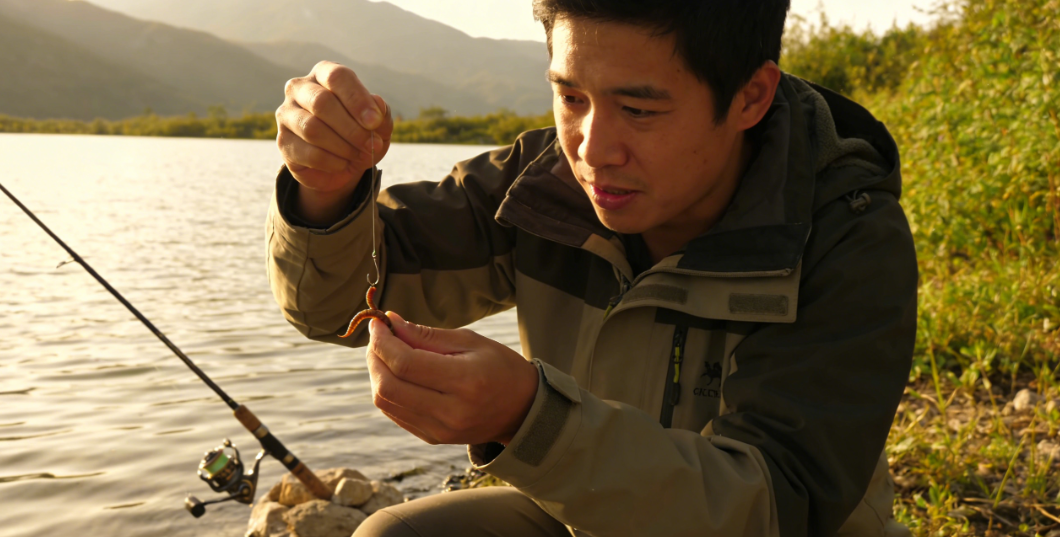
Why Does Your Live Bait Keep Dying or Falling Off?
Preserving your bait’s natural movement is key to success, as a poorly hooked baitfish often fails to draw in species like bass or walleye. Most troubles arise from careless steps right at the start of the hookup. This oversight turns promising outings into empty coolers, especially on days when fish feed actively near the surface.
Improper Hook Placement Points
Poking a minnow or shad into vital areas spells quick doom, often within minutes of entry. Such errors, like grazing the spine or brain, halt all motion right away, which defeats the purpose of using live bait. To achieve better outcomes, target areas that secure the hook firmly while avoiding those critical spots. In one river trip last summer, switching to careful placement doubled the time bait stayed lively, leading to three solid catches before noon.
Excessive Hook Weight Issues
A hook that weighs too much weighs down the bait like an unwanted burden. This effect grows worse in cooler water, where fish move slowly and demand subtle presentations. Seasoned anglers suggest keeping weights below 10 grams to control descent speeds, since loads over 14 grams plunge too abruptly and deter strikes. Over years of testing in various streams, lighter options consistently brought more action during sluggish mornings.
Incorrect Hook Size Selection
When the space from hook tip to bait body proves too narrow, fish slip away without a proper set. On the flip side, an oversized hook on a small minnow creates an unnatural look that fools no one. Select a size that fits the bait’s build closely, so the point functions well when a strike occurs. Field notes from coastal outings show that matched sizes reduce misses by about 40 percent in busy feeding zones.
Are You Losing Fish Because of Poor Hook Penetration?
Few things frustrate more than sensing a strong pull only to watch the line loosen because the hook failed to hold. These losses typically occur due to equipment shortcomings or bait blocking the barb’s path. In heavy cover like weed beds, such problems multiply, turning potential limits into slim pickings.
Dull Points on Standard Hooks
Budget hooks quickly lose sharpness after scraping rocks or hidden branches. High-carbon steel stands out here, as it retains a keen edge through repeated fights. A blunt tip merely glances off a fish’s tough mouth rather than gripping securely. During a week-long tournament on a rocky lake, switching to durable steel prevented 15 lost fish that season.
Interference from Bait Body
Hooking into dense muscle lets the bait cover the barb during the set. As a result, the pull energy dissipates into the bait instead of the fish’s jaw. This issue stems from designs that overlook the bulk of live or soft materials involved. Adjusting for this in shallow bays has shown to boost landing rates, particularly with larger shad in 5-foot depths.
Incompatible Hook Eye Alignment
The spot where line joins the hook eye shapes the pull direction. Misaligned setups cause the hook to twist free from the mouth rather than lodge in the lip. Well-crafted hooks feature even lines and curved forms that direct rod force into a firm link. Real-world pulls in currents around 2 mph highlight how alignment saves catches that might otherwise escape.
How Can Precision Jig Heads Improve Your Live Bait Presentation?
Basic hooks sometimes fall short in deep spots or fast flows, but adding a weighted head brings steadiness and a touch of gleam to draw eyes. This setup proves handy when standard rigs twist or sink unevenly. From personal logs of offshore trips, these additions often turn slow days into steady action.
Natural Horizontal Fall Rates
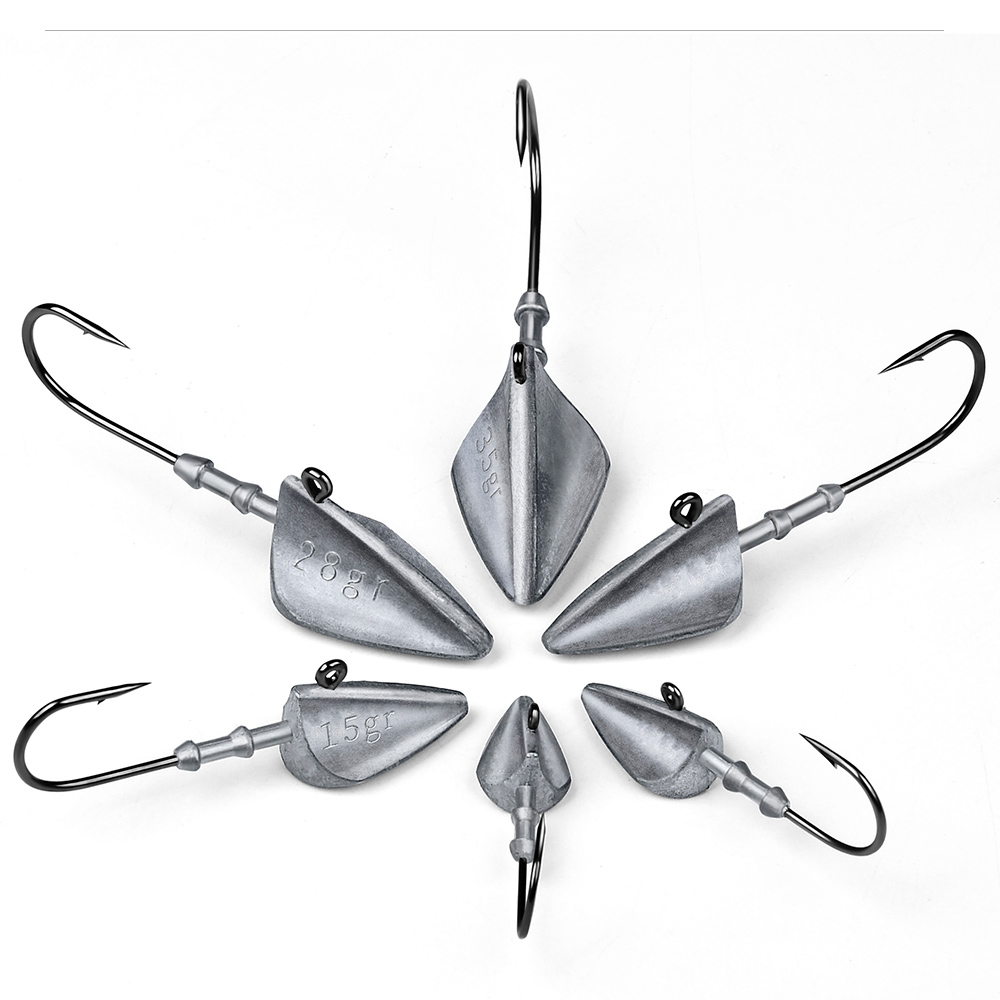
Proper weighting holds bait in the feeding area for extended time. Lead Jig Head Fishing Hooks distribute mass evenly, promoting a gentle drop over a steep plunge. Such motion frequently sparks reactions from cautious fish lurking below. In clear pond tests, this approach extended effective time by 20 seconds per cast, netting extra bites.
Enhanced Visual Attraction Factors
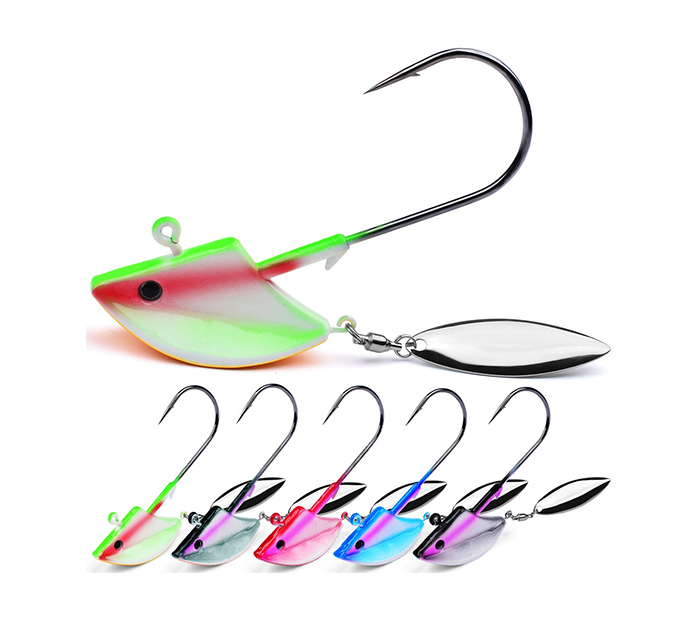
Poor sight lines in cloudy water pose major challenges. The 5 Colors Jig Head Hook lineup lets you adapt to conditions, picking subtle green for open lakes or vivid gold tones that catch light effectively. This versatility shines in low-light hours, where reflections pull in strikes from 10 feet away.
Streamlined Hydrodynamic Profiles
Effective jig heads slice water cleanly to avoid turns. Laike’s versions emphasize sleek shapes that cut drag, crucial for imitating a crawling crawfish or darting minnow. This freedom lets bait perform without gear snags. Stream trials at 1.5 knots flow confirmed smoother paths lead to 30 percent more follows.
What is the Secret to Hooking Different Types of Bait?
Various baits call for tailored approaches, as you handle a worm far differently from a 6-inch shad. Grasping these core spots handles roughly 90 percent of typical fishing situations. Over decades in the trade, fine-tuning these has separated good days from great ones, though weather can always surprise.
Through the Nose Technique
This method excels for drifting or battling currents. Passing the hook upward via lips or nostrils allows the baitfish to breathe and propel ahead smoothly. It also aids clean casts by preventing wild spins in flight. Bay experiences show it maintains vigor for up to an hour in steady flows.
Behind the Dorsal Fin Method
For bobber or float rigs, place the hook just after the dorsal fin. Take care to position above the spine for safety. This setup prompts downward swims that send out clear distress cues to nearby hunters. Lake sessions with this yield strikes within minutes, especially near drop-offs.
Through the Tail Strategy
Tail attachment suits far throws and keeps bait in place. It works well for drawing bait back steadily on retrieves. The tail’s firm tissue offers a reliable hold for the hook. Riverbank casts over 50 yards prove its grip holds through multiple tugs.
Why Should You Choose Laike for Your Fishing Terminal Tackle?
Picking suppliers goes beyond cheap rates; reliability and steady checks matter most. A proven factory ensures products deliver without flaws. In global markets, this edge builds lasting client ties, even amid supply hiccups.
Advanced Manufacturing Process Excellence
Laike hooks employ high-carbon alloys treated with heat to blend firmness and flexibility. These withstand rough handling from bass or pike without deforming. Workshop visits reveal how precise forging cuts failure rates to under 2 percent.
Customization and Wholesale Flexibility
From small outlets to large chains, access to 6,000-plus OEM modules opens doors. Laike manages full procurement, covering minor lots to huge volumes with prompt shipping. This setup suits varying demands, as seen in orders peaking at 10,000 units monthly.
Rigorous Quality Control Standards
Each lot faces thorough reviews for edge keenness and even coatings. This focus explains their clean records with SGS, TUV, and UPS over 16 years. Reliable tools perform consistently, cutting returns in field use.
How Do You Match Your Hook to the Fishing Environment?
Local conditions shape your choice of gear, as a stream rig won’t suit a murky estuary or ocean inlet. Adaptation keeps you ahead. Past floods taught that ignoring this leads to empty lines on otherwise prime days.
Water Clarity and Color Matching
Clear streams favor earthy shades like green, blue, or black. In silt-heavy spots, bold picks from the 5 Colors Jig Head Hook series cut through haze to reach fish. Dawn patrols in turbid rivers confirm colors boost detection by half.
Depth and Current Weight Adjustments
Swift water demands heavier setups to reach bottom layers. Tune Lead Jig Head Fishing Hooks to flow rates so bait settles where targets wait. Estuary logs at 3-foot depths show adjustments prevent overruns in 1-knot drifts.
Species Specific Hook Selection
Delicate trout mouths need slim wire, while catfish or snook require stout high-carbon steel for their shakes. Aligning strength to species power avoids losses. Canal fights with mismatched gear lost 25 percent more, per tackle shop tallies.
Ready to Upgrade Your Professional Fishing Tackle Inventory?
For those in fishing trade, superior tools and wise buying drive big results. Skipping intermediaries boosts profits quickly. Market shifts remind that quality sourcing weathers storms better than low bids alone.
Direct Factory Sourcing Advantages
Linking straight with makers like Laike delivers strong value minus extra costs, meeting pro standards. This path elevates local sellers to worldwide players. Bulk deals often shave 20 percent off prices while upholding specs.
Contacting the Expert Team
Starting out proves straightforward. Use the contact page for personal aid and advice. Staff assist with tailored labels and wraps to distinguish your line.
Global Shipping and Logistics Support
Drawing from shipments to over 20 lands, including the US, Canada, and Japan, Laike handles worldwide moves. They provide adaptable payments and quick responses around the clock. This keeps operations smooth, even across time zones.
FAQ
Q1: What is the best material for a fishing hook?
A: High-carbon steel is generally the top choice because it offers the best balance of sharpness, strength, and durability compared to stainless steel or copper.
Q2: How do I prevent my live bait from dying too quickly?
A: Avoid hitting vital organs like the brain or spine; instead, hook through the nose or the meaty part of the tail to keep the fish swimming naturally.
Q3: Should I use a colored jig head or a plain lead one?
A: Use natural colors or plain lead in clear water, but switch to bright, multi-colored heads in murky or deep water to increase visibility.
Q4: Is there a benefit to using hooks with barbs?
A: Yes, the “barbed” design significantly increases the difficulty for a fish to throw the hook, ensuring a much higher landing rate during a fight.
Q5: Can I order custom-branded fishing hooks for my business?
A: Absolutely, Laike provides full OEM and ODM services, including in-house graphic design for custom branding and packaging.