
Keeping top-quality fishing equipment in good shape makes the difference between a productive outing and costly breakdowns. For today’s anglers, the money spent on advanced tools calls for equal effort in upkeep, which helps ensure reliable performance. To make sure your gear works at its best, choose a supplier with solid experience in the field. Laike stands out as a focused producer with more than a decade of know-how. They work with over 200 reliable makers, providing a one-stop procurement service for over 500 product types. No matter if you fish alone for fun or buy in large amounts, their focus on strict quality control and on-time delivery to more than 20 nations positions them as a dependable choice worldwide in fishing tackle.
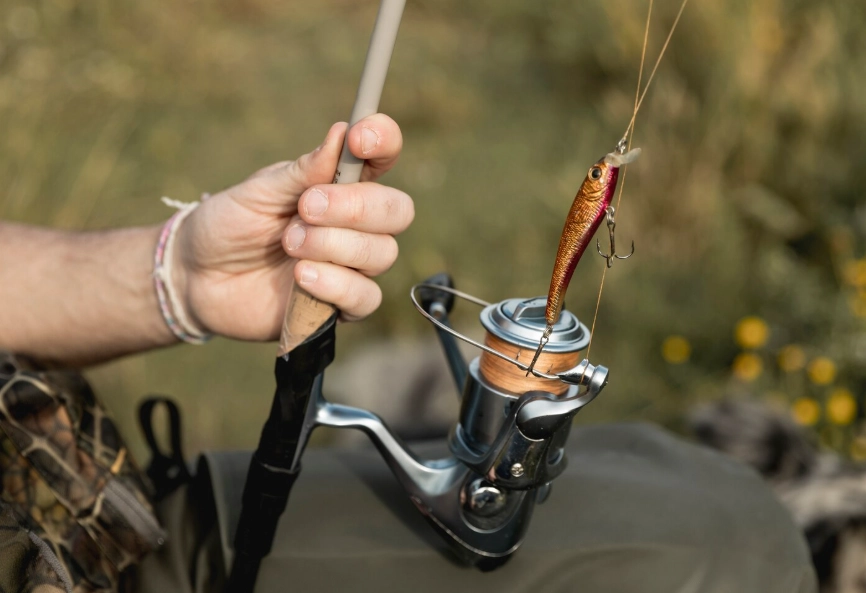
Why Is Your Reel Gritty After One Saltwater Trip?
Saltwater poses the biggest threat to fine-tuned devices since it deposits tiny crystals that wear down metal parts over time. Even just one day by the sea can cause inside rust if you skip a careful cleaning routine, so addressing salt residue right after each session keeps everything running smoothly.
Saltwater Corrosion Prevention
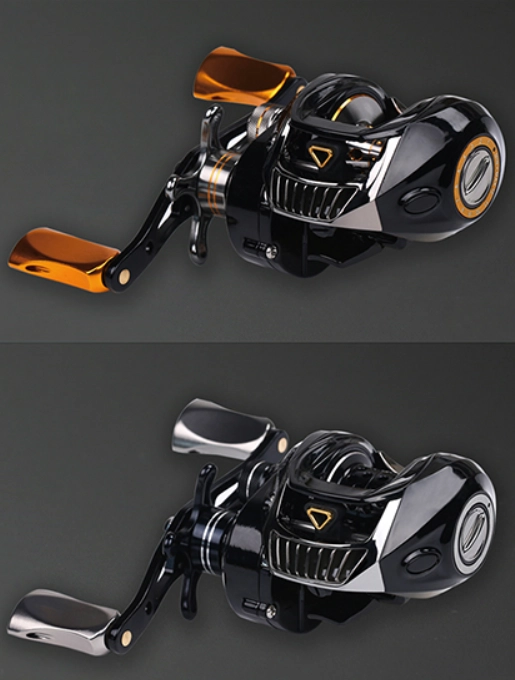
You should give your gear a quick rinse with fresh water after every outing to clear away surface salt, and this step proves vital for items like Flat Metal Spool Saltwater Baitcasting Reels because salt often builds up and hardens in the spool and line guide areas. By focusing on those spots during the rinse, you prevent long-term damage that could affect the reel’s operation.
Deep Internal Lubrication
Once the rinse is done, add marine-grade grease to the primary gears and use high-speed oil on the ball bearings, which forms a shield against water and keeps parts from locking up under stress from big ocean catches. This regular treatment not only repels dampness but also maintains smooth action even during intense fights with fish.
Protective Housing Care
After cleaning, wipe the outer frame with a wet cloth and then apply a light layer of guard spray, since strong metal spools hold up well but need this care to avoid surface pits that weaken the structure over time. Such upkeep preserves both the look and the strength of the reel for many seasons ahead.
Tired of Your Telescopic Rod Sticking or Snapping?
Telescopic rods bring great ease for trips away from home, yet their joined sections easily trap dirt like sand or salt, which causes rubbing that results in jammed parts or breaks in the material. With proper care, however, these rods stay easy to carry and strong enough for tough use.
Frictionless Section Cleaning
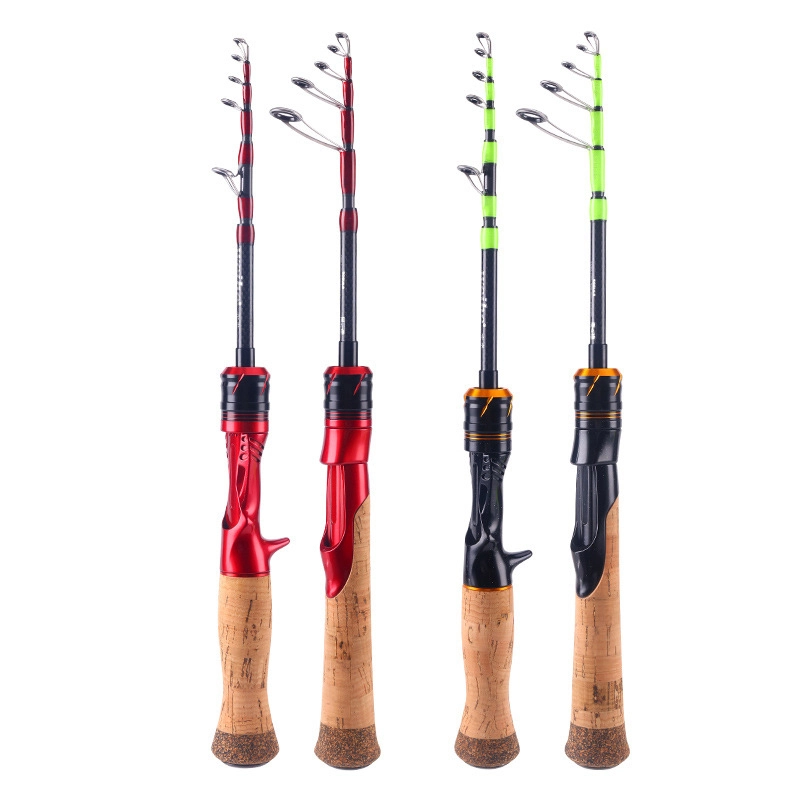
Stretch out the rod completely and clean each part with a soft cloth made of microfiber, ensuring no rough bits linger on the joints before you fold it back up, especially for a portable carbon telescopic fishing rod where trapped grit wears away the carbon layers and forms fragile spots. This simple process, when done consistently, avoids the slow damage that leads to failures during actual fishing.
Guide Alignment Check
Look closely at the ceramic pieces in the guides for signs of breaks or flaws, because worn guides can slice your line on casts and reduce your success rate, so keeping them aligned and even boosts both throw precision and line protection. Regular checks like this help maintain the rod’s overall reliability in various conditions.
Carbon Blank Protection
Spread a slim coat of rod wax or polish over the carbon sections, which allows smooth movement between parts while adding resistance to water that stops sticking in wet weather. This treatment not only keeps the fiber in top condition but also holds its fresh appearance through repeated use.
Why Does Your Strong Line Snap on a Moderate Fish?
The fishing line serves as your direct connection to the catch, but it often gets overlooked despite facing wear from sun and rough underwater features that cut its strength gradually. If breaks happen without reason on average-sized fish, the issue usually stems from avoidable wear or poor winding, which can be fixed with basic checks.
UV Damage Assessment
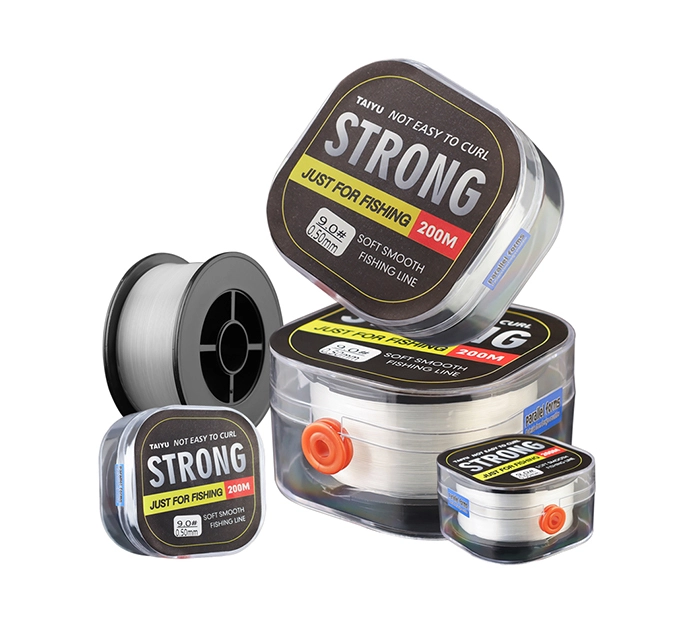
Examine your line for fading color or rough feel that shows harm from sunlight, and while Strong Nylon String Fishing Line starts with solid build, cutting off the outer yards now and then keeps the most exposed parts strong against rocks and rays. This habit ensures your setup holds up better during pulls and fights.
Line Memory Removal
When nylon line starts curling tightly from spool time, it has gained memory that causes knots, but soaking the whole spool in warm water for a bit relaxes the strands so they straighten out and cast farther without twists. Such a fix, applied as needed, cuts down on frustrations out on the water.
Spool Tension Management
As you load fresh line onto the reel, hold even pull to avoid loose turns that bury into each other under load from a fish, leading to sudden breaks on flat metal spools if not done right. Proper winding creates a firm base that supports steady performance without hidden flaws.
Is Your Tackle Box Turning Into a Pile of Rust?
Lures work as exact mimics of bait through motion and shine, but trapped wet air in storage turns them dull with rusty hooks and chipped coatings, so care keeps them ready to draw in cautious fish effectively.
Metal Jig Restoration
Wash your lures under fresh water and let them dry fully before storage, since for a Metal Jig Lure, a clean shine draws fish from afar but salt dulls it fast if ignored. This routine preserves the tool’s appeal and function over many trips.

Hook Sharpness Maintenance
Test each hook point on your nail to see if it grips or slips, and if dull, sharpen it with a fine file to ensure solid sets that avoid lost catches near the boat. Keeping edges keen this way raises your overall success in hooking and landing fish.
Moisture Free Storage Solutions
Place silica packets in your trays to soak up any dampness left behind, and arrange lures without contact to stop rust spread or reactions between materials that shorten their life. An organized, dry setup like this extends usability for your entire set of baits.
How to Handle Emergency Repairs While on the Water?
Breakdowns strike when you’re farthest from base, but a ready kit and simple fixes let you continue fishing despite small problems that might otherwise end the day early.
Field Fix Kit Essentials
Pack a light bag with tools like pliers, quick glue, and reel oil for on-site tweaks, particularly since portable gear demands compact solutions that handle loose parts or noisy handles without delay. These items make quick work of common issues right where they happen.
Instant Tip Repair
For a snapped rod end, use spare parts and hot glue to bind a new tip in place after cleaning the break, which restores basic function until home fixes take over. This method, though temporary, gets you back to casting without much loss in action.
Backlash Recovery Techniques
To untangle baitcasters, press your thumb on the spool while cranking the handle to tighten loops for easy removal without line cuts, and adjusting brakes for breeze ahead prevents such snarls from starting. Mastering these steps keeps your sessions smooth and productive.
Are You Storing Your Gear Correctly During the Off Season?
How you put away tackle in colder months shapes the effort needed come spring, as wrong methods warp rods, flatten drags, and crack lines, but smart prep avoids repair bills and surprise faults when you gear up again.
Vertical Rod Storage
Hang rods upright in racks instead of slanted spots, because side pressure bends carbon permanently, and for telescopic types, straight upright holds keep sections true without shifts. This approach safeguards shape and readiness for next use.
Drag Pressure Release
Ease off the drag knob fully before long storage periods, since tight settings squash washers that stick later, but loose rest lets parts recover for even pulls down the line. Simple releases like this maintain drag’s reliable feel over time.
Climate Controlled Environments
Keep gear in steady indoor spots away from hot garages where swings harm nylon and rod resins, as cool dryness best protects the build quality in your tools. Such controlled spaces ensure everything emerges fit for the season ahead.
FAQ
Q1: How often should I fully disassemble my baitcasting reel for cleaning?
A: For frequent saltwater use, a deep clean is recommended every three to six months, while a light rinse should occur after every trip.
Q2: Is it necessary to replace my nylon fishing line every season?
A: Yes, because nylon absorbs water and degrades under UV light, replacing it annually ensures you maintain maximum knot strength.
Q3: What is the best way to unstick a telescopic rod section?
A: Apply a small amount of penetrating oil to the joint, let it sit, and then use a firm but gentle grip with rubber pads to slide the sections apart.
Q4: Do metal jigs need special care if I only fish in freshwater?
A: While freshwater is less corrosive, you should still dry your jigs to prevent the hooks from rusting and the paint from bubbling over time.